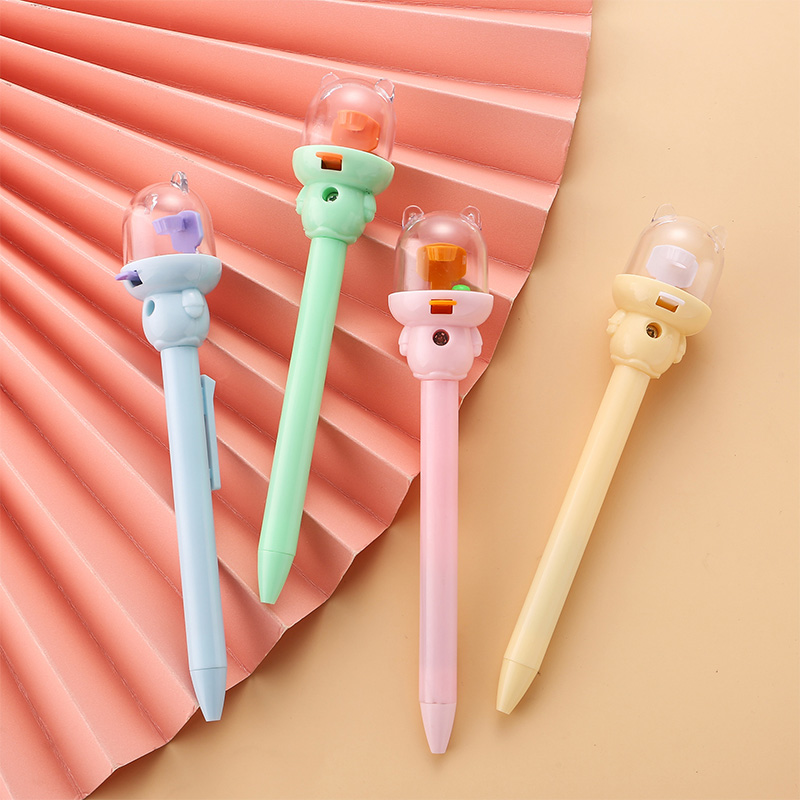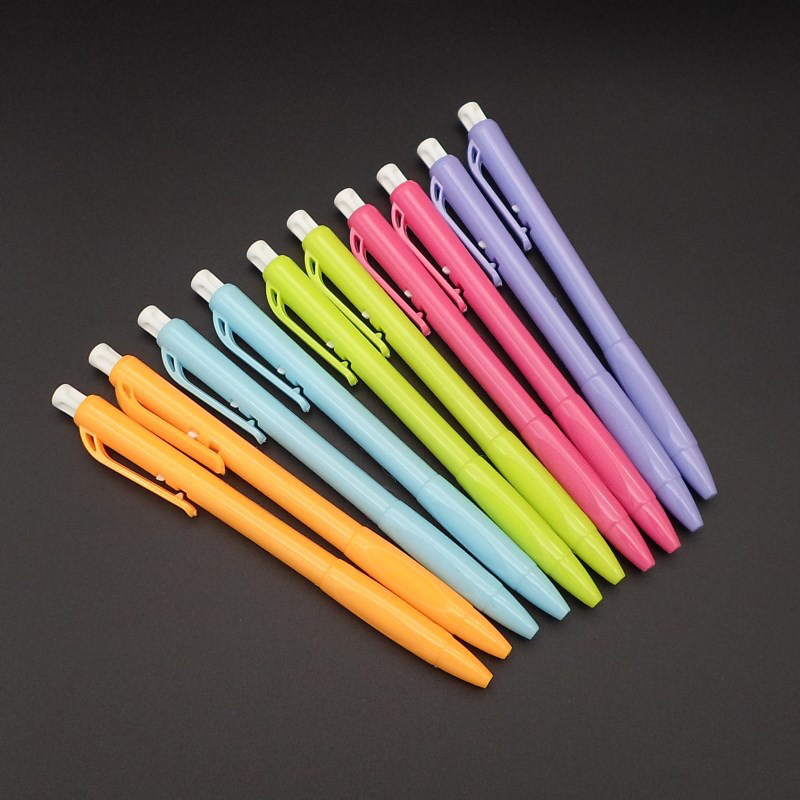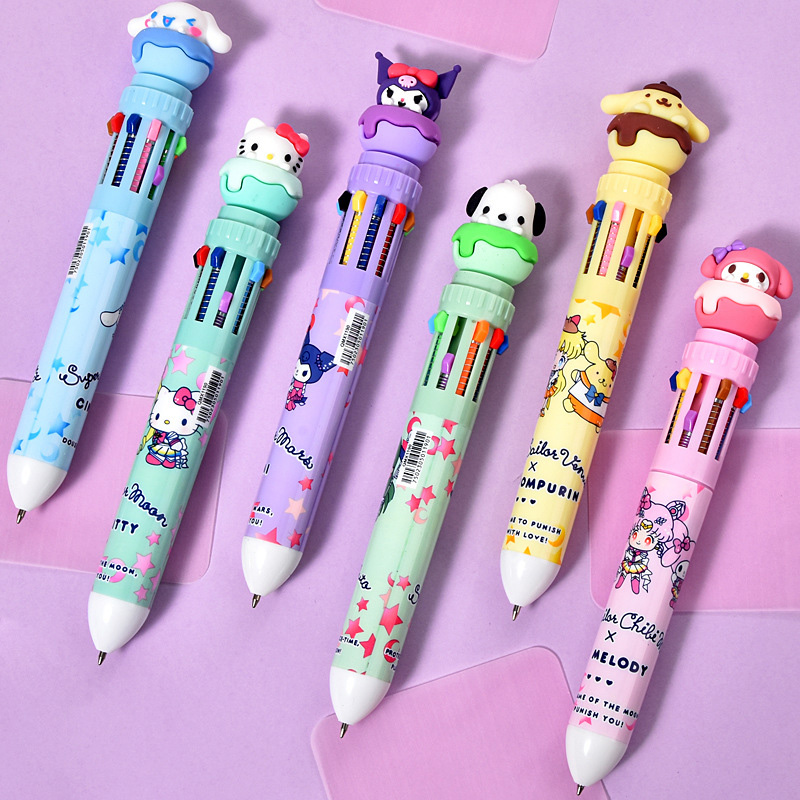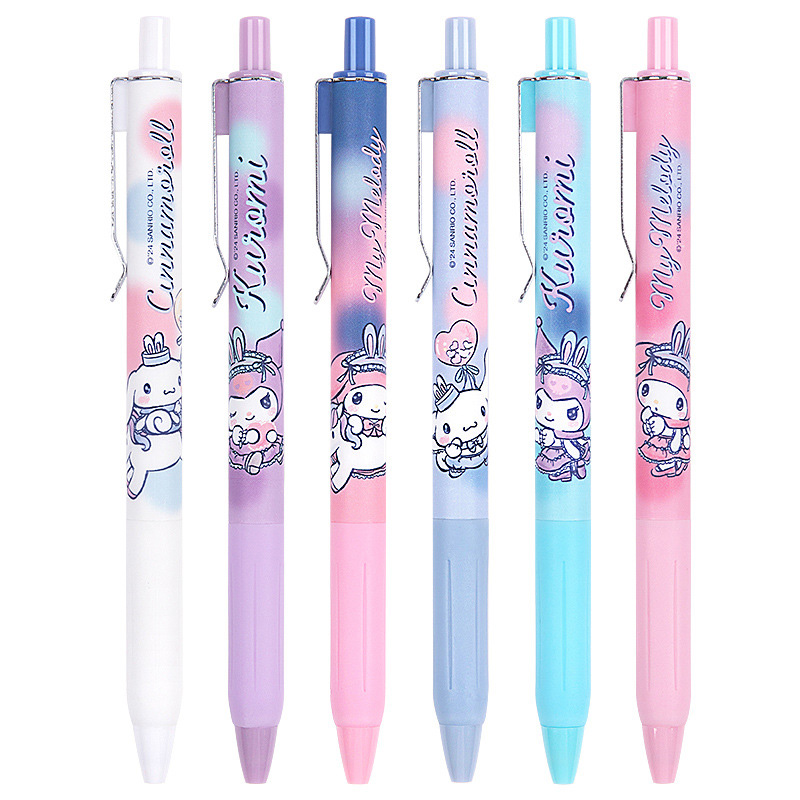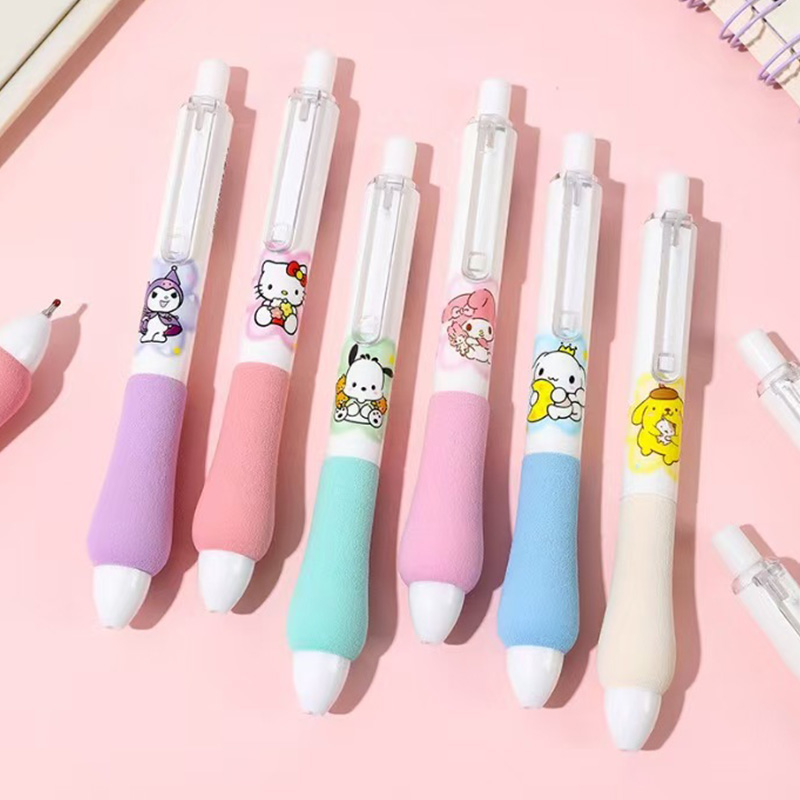
Highlighters are familiar stationery products, but producing a consistent range of colors involves several connected manufacturing processes. Ink formulation, tip materials, barrel design and filling accuracy all influence the finished pen. For a Highlighter Factory, coordinating these elements is important when supplying stationery brands, office product distributors and OEM customers.
Different markets may require different color collections, tip shapes and pen designs. These requirements influence how manufacturers organize product development and production.
Ink formulation plays an important role in highlighter production. Unlike conventional writing pens, highlighters generally use transparent or semi-transparent fluorescent ink, allowing marked text to remain visible underneath the color.
Water-based ink is commonly used in highlighter products. Its formulation may contain several components:
Color development requires attention to dye concentration and formulation compatibility. Excessive colorant concentration may affect transparency, whereas insufficient concentration can result in weak color presentation.
A Highlighter Factory needs to evaluate ink appearance, flow characteristics and drying behavior together. This is particularly relevant when producing coordinated color sets for stationery brands.
The tip determines how ink reaches the paper and influences the width and appearance of each mark.
Common highlighter tip designs include:
| Tip Type | Characteristics | Typical Application |
| Chisel tip | Wide marking surface with angled edges | Highlighting and underlining |
| Bullet tip | Rounded writing point | Narrow lines and small text |
| Fine tip | Narrow marking width | Detailed annotation |
| Flexible tip | Allows variation in line width | Decorative marking |
Chisel tips are frequently used because their angled structure supports both broad strokes and narrower lines.
Tip materials also affect product performance. Polyester fiber and other porous materials may be used to create the internal structure that transfers ink from the reservoir to the writing surface.
During development, manufacturers need to consider tip density, shape and ink absorption. These factors influence whether the marker produces an even line or shows excessive ink accumulation.
Ink flow problems can appear as pale strokes, excessive ink release or inconsistent marking across the writing surface.
Several factors may contribute to these issues:
Manufacturers can investigate these factors through controlled production tests. Checking line consistency, ink release and writing width helps identify problems before products enter final packaging.
Stationery brands often require more than standard yellow or pink highlighters. Custom projects may involve color combinations, barrel shapes, printing, packaging and different tip configurations.
Common customization areas include:
OEM and ODM development also requires sample evaluation. Buyers may review ink color, writing performance and product appearance before confirming production specifications.
 Lanxi Economic Development Zone, Jinhua, Zhejiang (No. 30, Qiuling Road, Lanjiang Street)
 +86-13806548080
 [email protected]
Copyright © Zhejiang Wenao Stationery Co., Ltd. All Rights Reserved.
Writing Pens and Refills Factory


 English
 中文简体
 русский
 Français