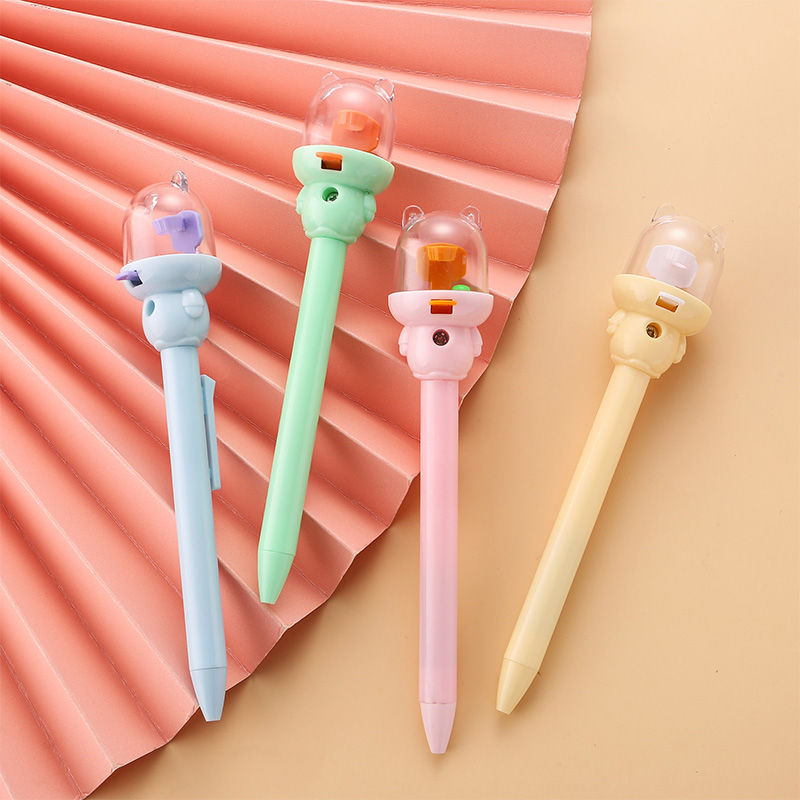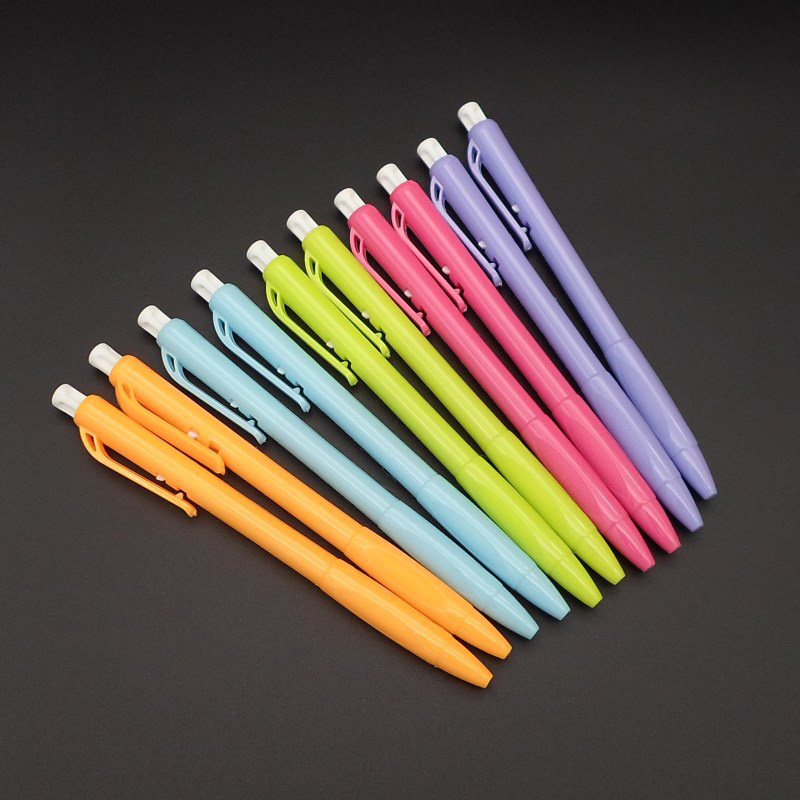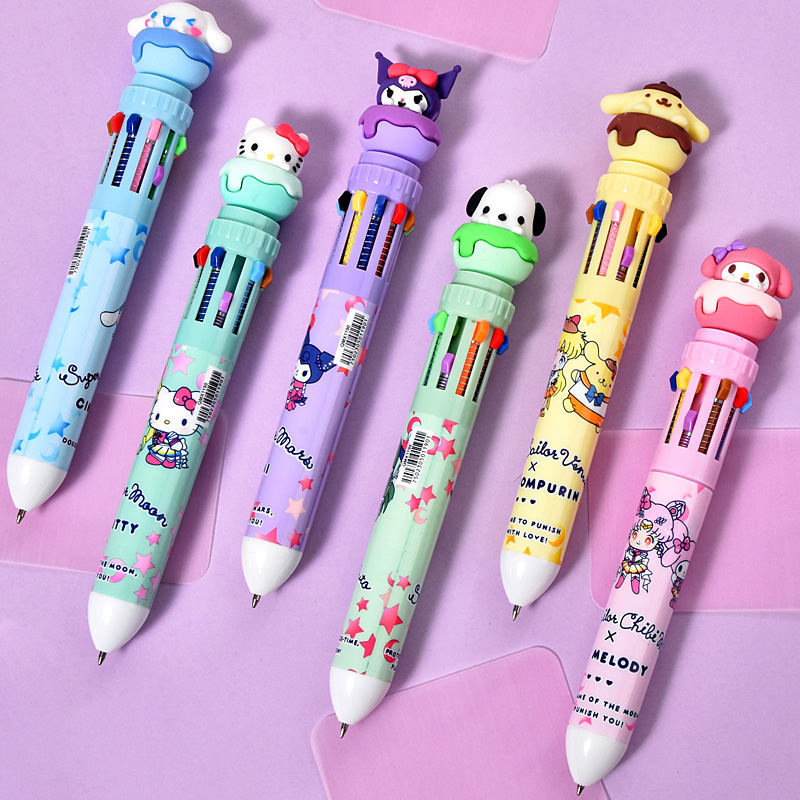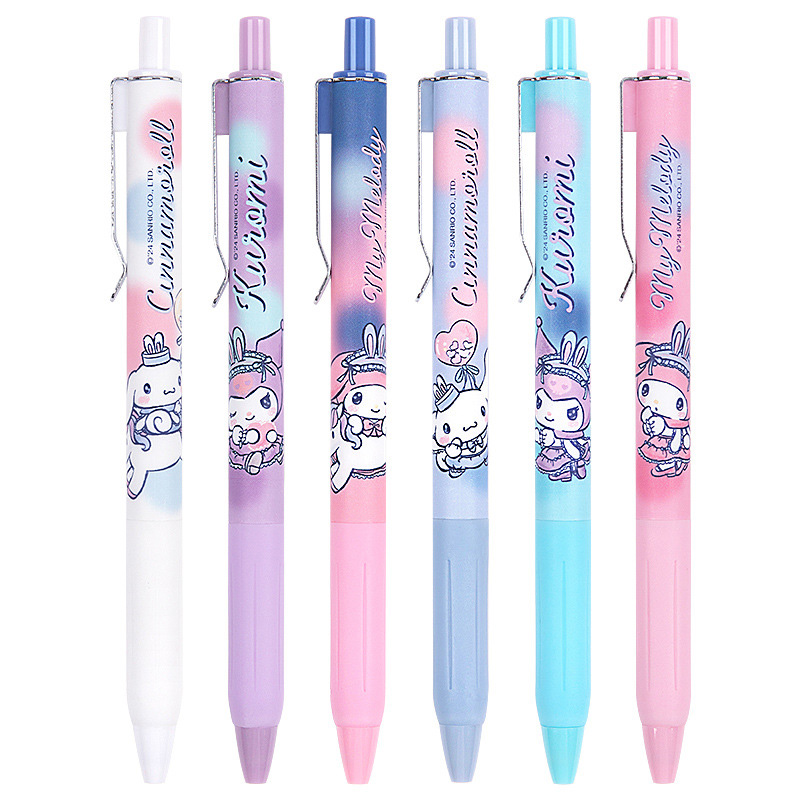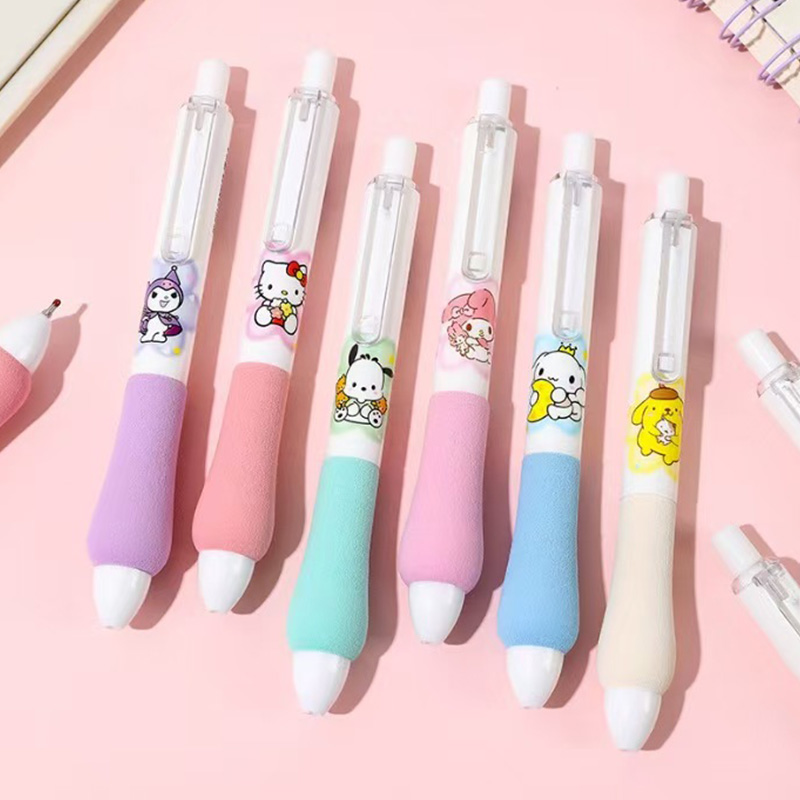
A multicolor marker pen offers a simple way to add variety to notes, drawings, and labels without swapping tools every few minutes. Instead of reaching for a new pen each time a different shade is needed, one instrument carries several colors ready to go. This design appeals to students, planners, hobbyists, and anyone who likes to keep writing sessions flowing smoothly.
Many single-color markers stay fixed on one hue. A multicolor version brings several options into a single barrel or tip system. Some models feature rotating chambers that click into place, while others use dual or triple tips that let the user choose by turning the pen or pressing a selector. The result is quick access to a small range of colors during one continuous writing or drawing session.
The ink itself usually comes in water-based or alcohol-based formulas that dry fast on paper. Tips range from fine points for detail work to broader edges for filling larger areas. Because the colors sit close together in the same tool, switching feels almost automatic once the user gets used to the mechanism.
Many multicolor marker pens rely on a simple mechanical shift. Turning a dial or sliding a collar moves a different ink reservoir into contact with the tip. Other designs place two or three tips side by side so the user tilts the pen slightly to change the active color. A few models even allow light blending when the tip is pressed at an angle, creating soft transitions between neighboring shades.
The feel of the tip matters. Soft felt tips glide smoothly and can produce both thin and wider strokes depending on pressure. Harder plastic tips keep lines more consistent and work well on smoother paper. Either style lets the user move from one color to the next with minimal interruption.
Capacity of the ink chambers influences how long each color lasts during regular use. Some pens hold equal amounts of every shade, while others allocate more volume to frequently used colors. Tip durability also plays a role; a well-made tip resists fraying even after repeated passes over the same line.
Grip comfort becomes noticeable during longer sessions. A slightly textured barrel or a balanced weight helps the hand stay relaxed. The overall length and diameter should fit the user’s preferred hold so the pen feels natural rather than awkward.
Paper type interacts with the ink. On standard notebook pages the colors stay crisp. On thicker drawing paper the same ink can layer more freely. Testing a few strokes on the intended surface quickly shows how the colors behave.
Multicolor marker pens tend to travel easily. Their compact size fits into pencil cases, desk drawers, or the side pocket of a bag. Once the user develops a habit of reaching for the same tool, the act of changing colors becomes almost automatic. The pen simply stays ready for the next shift in tone or emphasis.
Across classrooms, studios, and home desks, these pens support a steady flow of ideas. They reduce the small interruptions that come from searching for the next color and keep attention on the page itself. In that quiet way, a multicolor marker pen becomes a practical companion for anyone who likes to work with more than one shade at a time.
 Lanxi Economic Development Zone, Jinhua, Zhejiang (No. 30, Qiuling Road, Lanjiang Street)
 +86-13806548080
 [email protected]
Copyright © Zhejiang Wenao Stationery Co., Ltd. All Rights Reserved.
Writing Pens and Refills Factory


 English
 中文简体
中文简体 русский
 Français