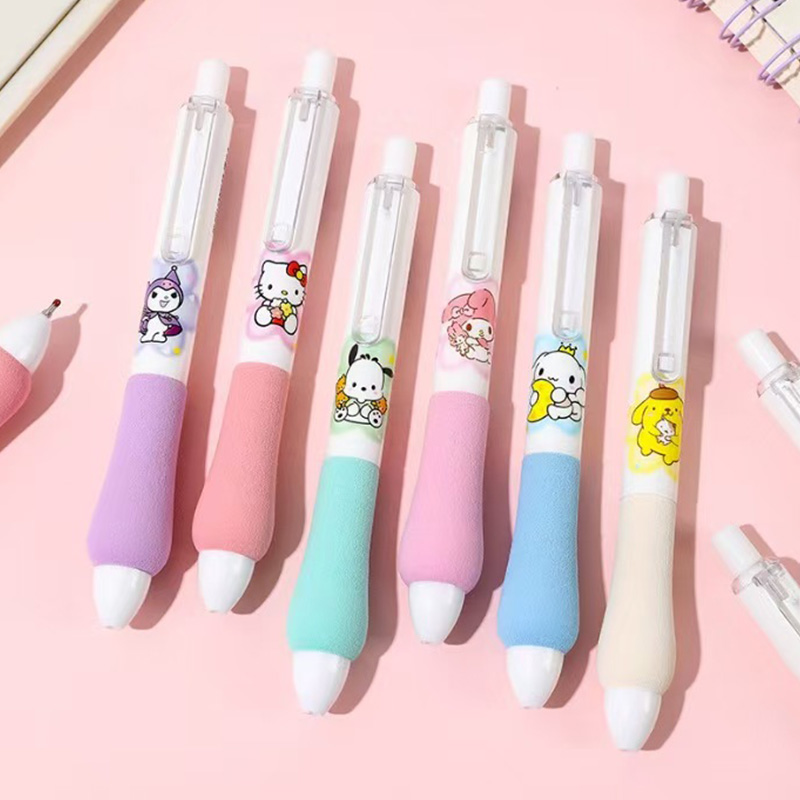
Walk through a modern Highlighter Factory, and the first thing that stands out is not the finished marker but the carefully organized production process behind it. Plastic pellets become colorful barrels, fiber materials transform into writing tips, and liquid ink is prepared with carefully controlled formulations before everything comes together in a fully assembled product.
Highlighters have become familiar tools in classrooms, offices, libraries, design studios, and meeting rooms. Their simple appearance hides a manufacturing process that combines material science, precision equipment, and automated assembly to produce writing instruments that deliver clean, visible marks on paper.
A finished highlighter is made from several individual components, each produced with specific manufacturing methods before final assembly.
Inside a Highlighter Factory, common components include:
These parts move through different production areas before reaching the assembly line. Injection molding machines create the plastic housing, while fiber processing equipment shapes writing tips with controlled dimensions. Each component is inspected before entering the next production stage, helping the assembly process remain smooth and efficient.
One of the defining production stages inside a Highlighter Factory is ink preparation. Bright fluorescent colors require accurate blending to achieve consistent appearance from one production batch to another.
Production teams monitor ingredient ratios, mixing time, and viscosity during the manufacturing process. Once the ink reaches the desired characteristics, automated filling systems transfer measured quantities into each marker reservoir.
The writing tip absorbs the ink before assembly is completed. During testing, sample markers write continuous lines on different types of paper, allowing technicians to confirm that ink distribution remains even throughout the writing process.
This organized workflow supports stable production while minimizing variation between finished products.
As production volumes continue to increase, many Highlighter Factory operations have introduced automated equipment across multiple manufacturing stages.
Robotic systems transport molded components between workstations, while automated assembly machines install reservoirs, tips, caps, and end plugs in carefully timed sequences. Conveyor systems keep products moving continuously from one process to another.
Computer-controlled inspection equipment measures barrel dimensions, cap fitting accuracy, and component alignment. Vision systems can also detect cosmetic defects before packaging begins.
Automation allows production teams to handle large manufacturing batches with greater consistency while reducing manual handling throughout the assembly process.
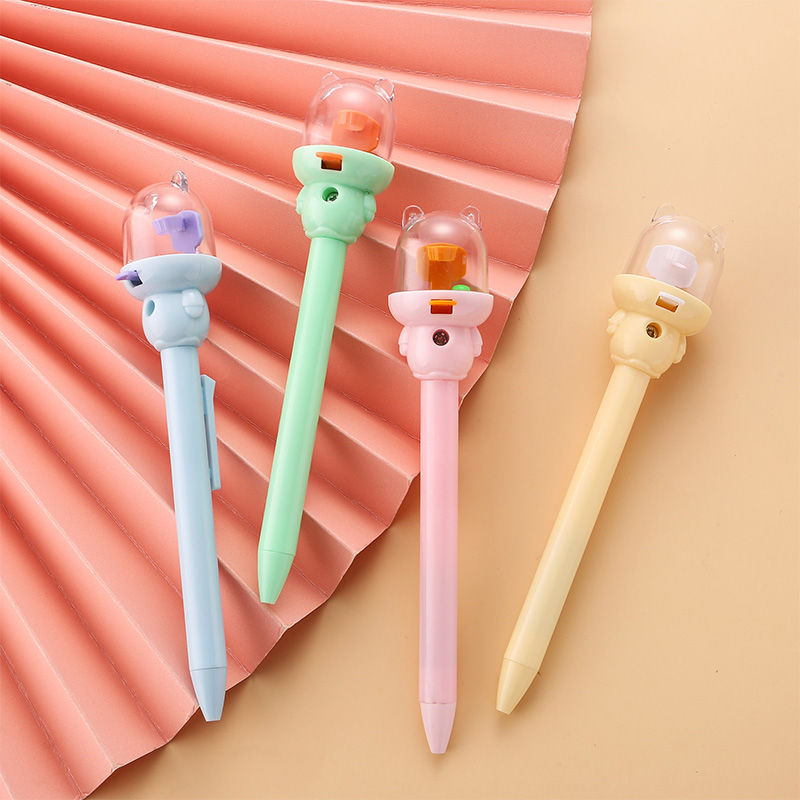
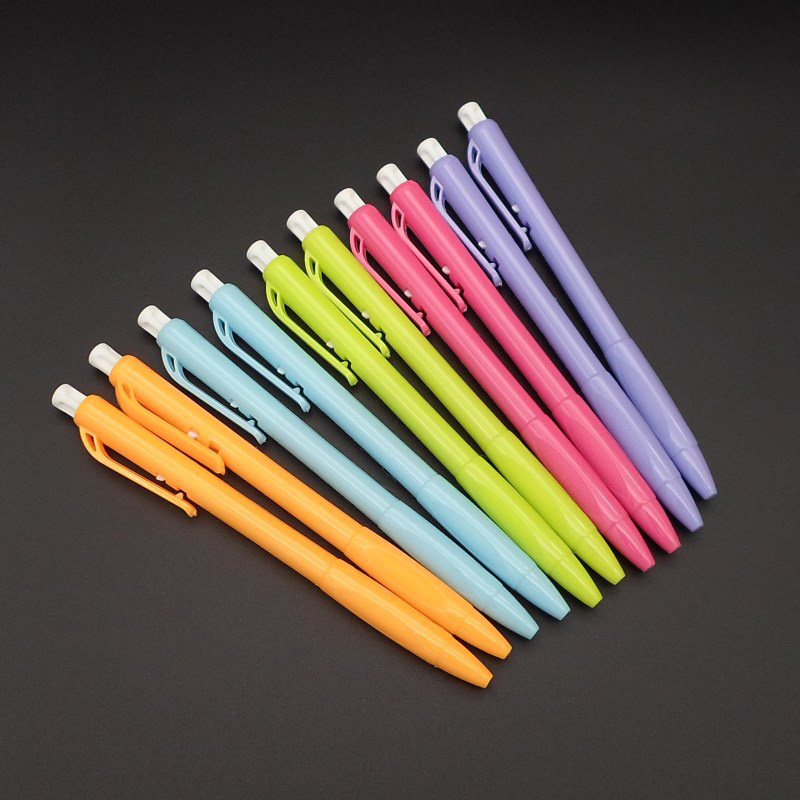
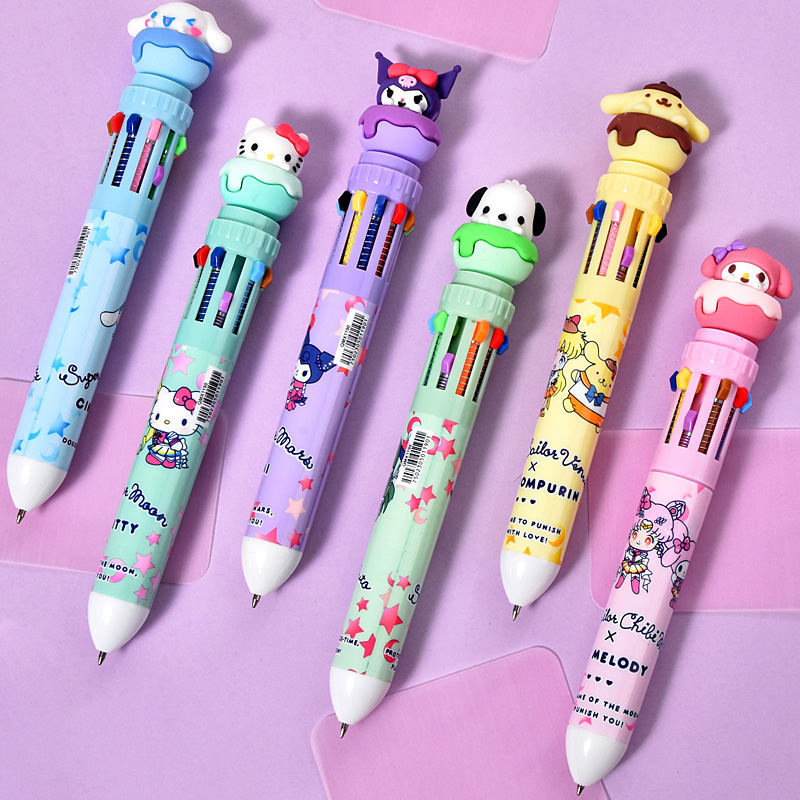
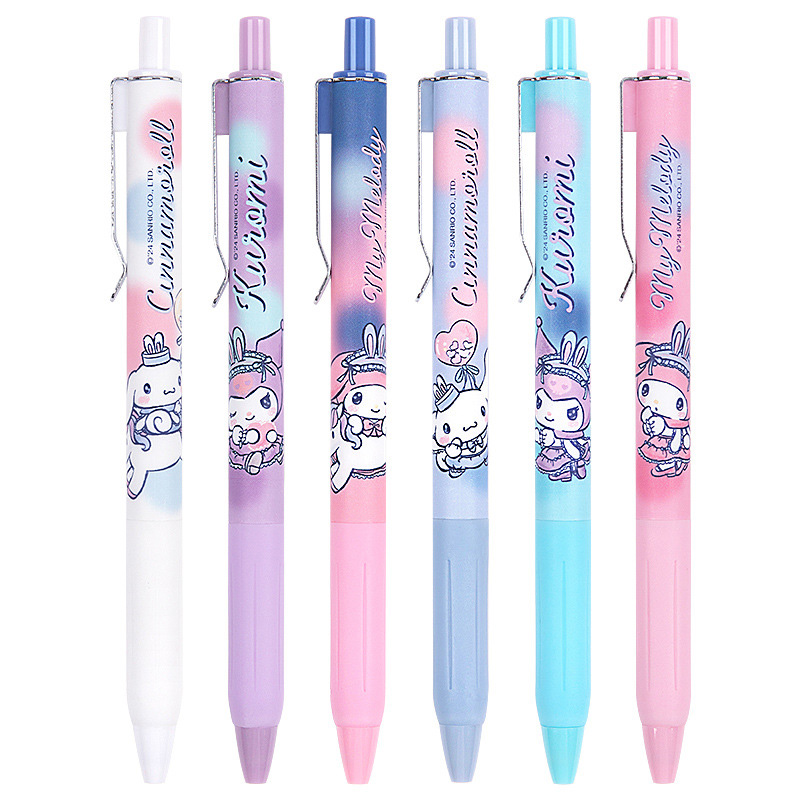
Today's stationery market includes a wide variety of highlighter styles. To meet different customer preferences, a Highlighter Factory often manufactures multiple product series using flexible production equipment.
Common product options include:
Production lines are designed to switch efficiently between different barrel sizes, cap designs, and ink colors. This flexibility allows manufacturers to produce customized collections for retailers, office suppliers, educational distributors, and private-label brands.
Digital production planning systems help organize manufacturing schedules, allowing different product models to move through the factory with minimal interruption.
A modern Highlighter Factory is much more than a place where colorful markers are assembled. It is a manufacturing environment where plastic processing, ink preparation, precision molding, automated assembly, and detailed inspection work together to create writing instruments used every day.
From highlighting textbook chapters and organizing meeting notes to marking architectural drawings and creative sketches, highlighters serve a wide range of writing tasks. Careful production planning and precise manufacturing techniques help ensure that every marker leaving the factory is ready to deliver clear, colorful lines whenever inspiration or organization calls for it.
 Lanxi Economic Development Zone, Jinhua, Zhejiang (No. 30, Qiuling Road, Lanjiang Street)
 +86-13806548080
 [email protected]
Copyright © Zhejiang Wenao Stationery Co., Ltd. All Rights Reserved.
Writing Pens and Refills Factory


 English
 中文简体
中文简体 русский
 Français