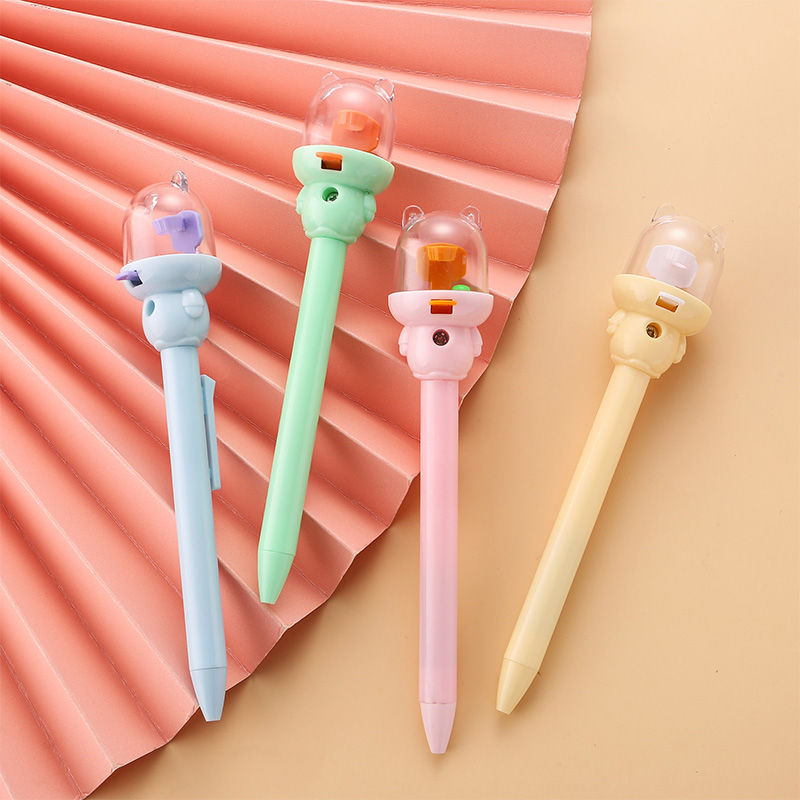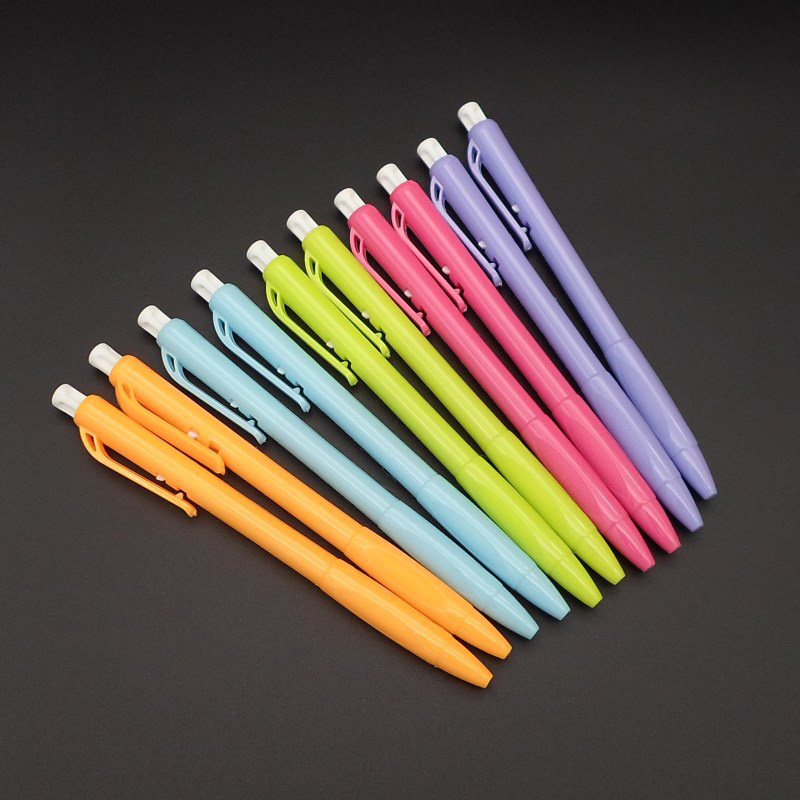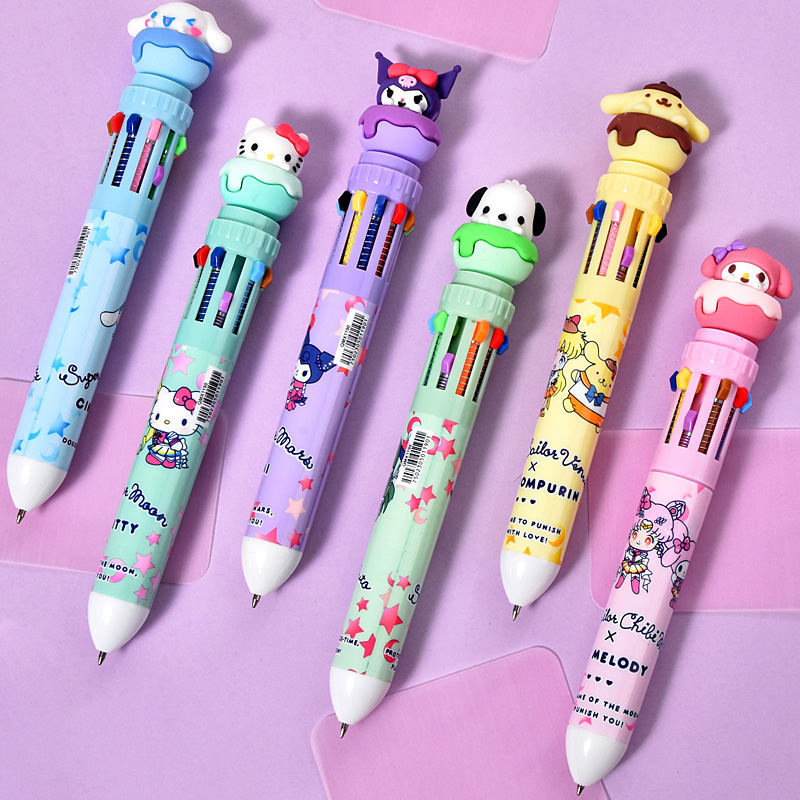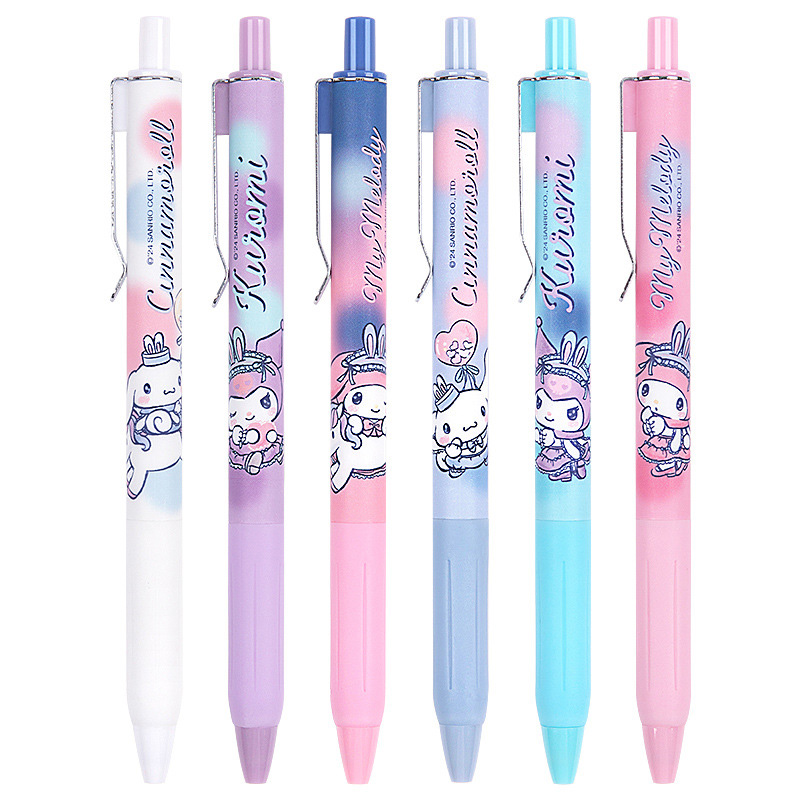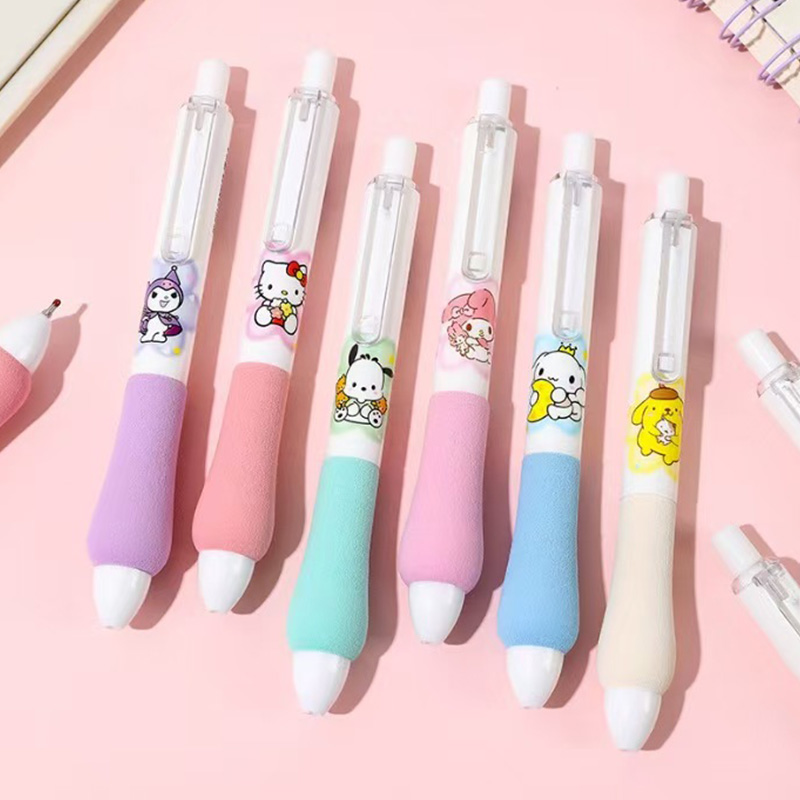
A highlighter factory is a production site where highlighter pens are manufactured through a structured assembly process. Plastic parts are formed, ink is filled into reservoirs, and felt tips are assembled on production lines. Many factories use a mix of automated equipment and manual inspection to maintain consistent output and detect small defects. Workers typically rotate between tasks such as assembly, quality checking, and packaging, ensuring smooth workflow and steady production throughout each shift.
Highlighter factories work with several basic materials to build each pen. Plastic comes in different grades for the body and caps, giving options for thickness and feel. The ink mixes pigments with liquids that help it glide across paper without bleeding too much. Tips use special porous materials that control how much ink flows out.
Factories order these supplies regularly to keep production moving. Some runs use clear plastic so users can see how much ink remains, while others focus on solid colors that match popular office themes. Common ink shades include the usual yellow, pink, green, blue, and orange tones found in most supply closets.
Production lines in highlighter factories handle several types at once. Standard single-color highlighters make up a large part of daily output. Other areas put together multi-color packs or create versions with wider bodies for easier grip during long study sessions. Some lines focus on chisel tips for broad highlighting, while others make finer points for precise marking.
Orders from schools might call for simple, sturdy designs in bulk. Business clients sometimes request sets with matching colors or slightly different barrel shapes. This variety keeps the factory floors active with changing setups between runs.
The manufacturing process begins with molding the plastic parts for barrels and caps. Ink gets prepared in separate mixing areas to reach the proper thickness and color strength. Filling stations then add the right amount of ink into each reservoir, followed by tip insertion and capping.
After basic assembly, highlighters pass through stations where labels are applied. Random checks happen at several points to test how well the ink writes and how smoothly the caps fit. Finished pieces move into packaging areas where they are grouped into boxes or display packs.
Staff at highlighter factories perform ongoing inspections during each shift. They test ink flow on different types of paper, check tip alignment, and make sure colors stay consistent from one batch to the next. Any highlighters that show problems get pulled aside for closer review or minor fixes.
These regular checks help keep the overall output uniform so customers receive markers that perform reliably in everyday situations.
A typical highlighter factory operates multiple lines side by side, allowing steady production of markers used across many settings. The constant activity reflects how often people reach for these tools during classes, meetings, or quiet reading time at home. Each completed highlighter joins thousands of others leaving the facility every week.
Workers become skilled at spotting small differences in how the pens feel and write. Over many shifts, they develop a sharp eye for details that contribute to the final user experience. This hands-on knowledge supports the factory’s ability to maintain regular output that meets ongoing demand from various customers.
 Lanxi Economic Development Zone, Jinhua, Zhejiang (No. 30, Qiuling Road, Lanjiang Street)
 +86-13806548080
 [email protected]
Copyright © Zhejiang Wenao Stationery Co., Ltd. All Rights Reserved.
Writing Pens and Refills Factory


 English
 中文简体
中文简体 русский
 Français