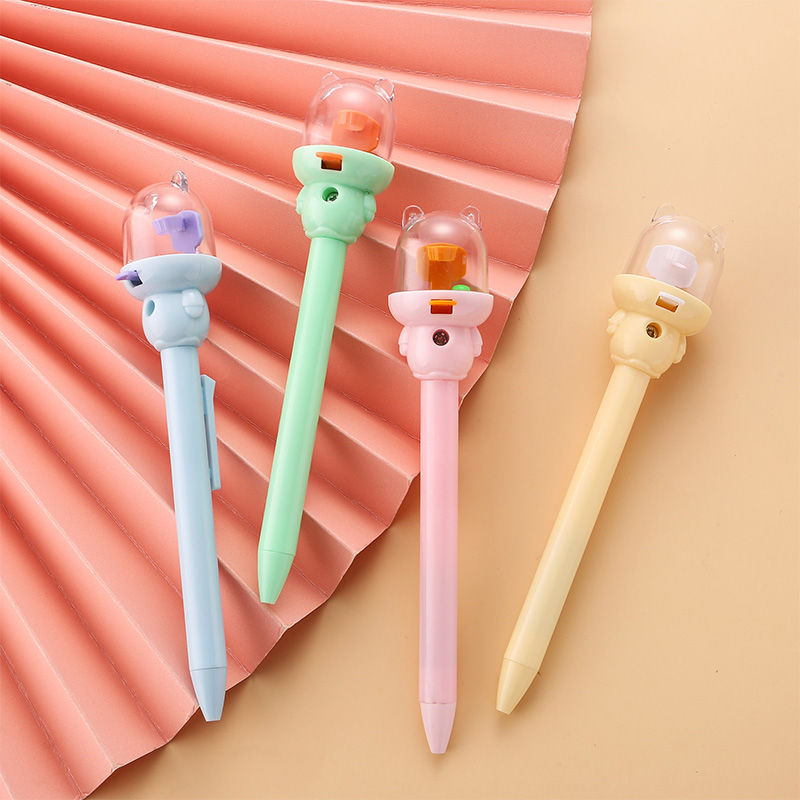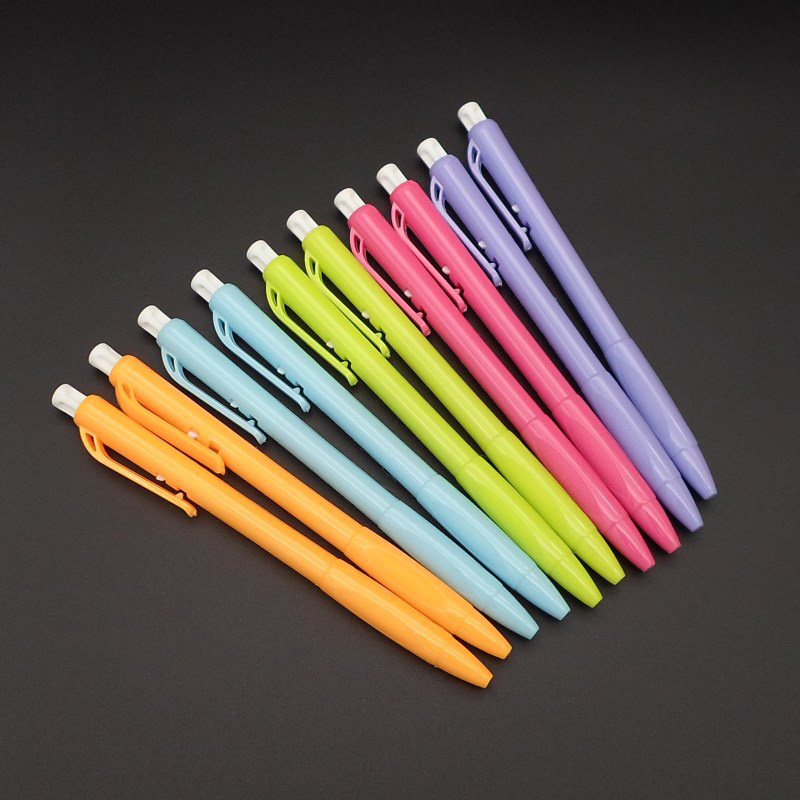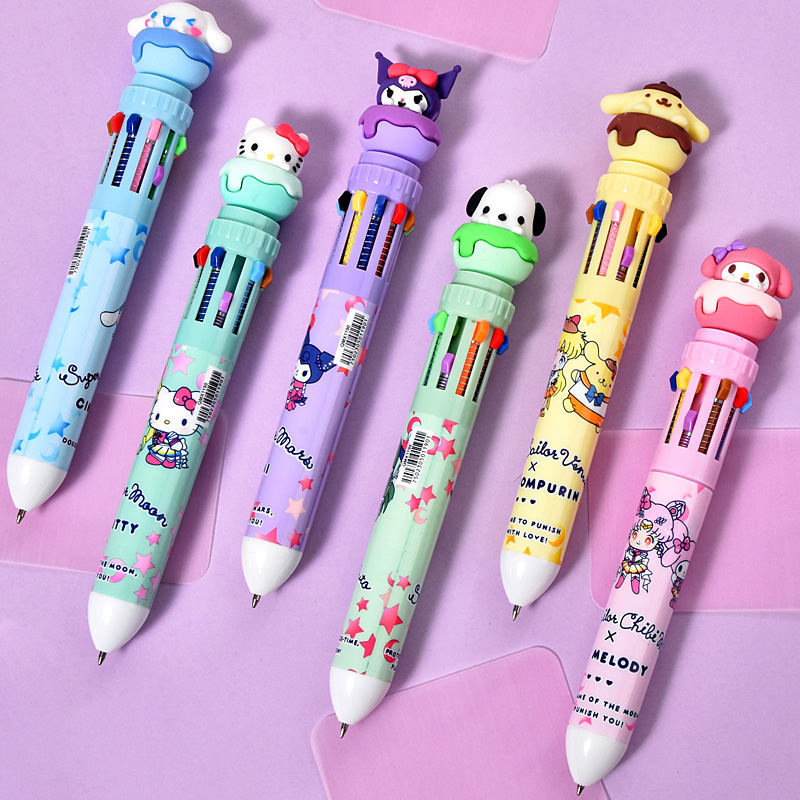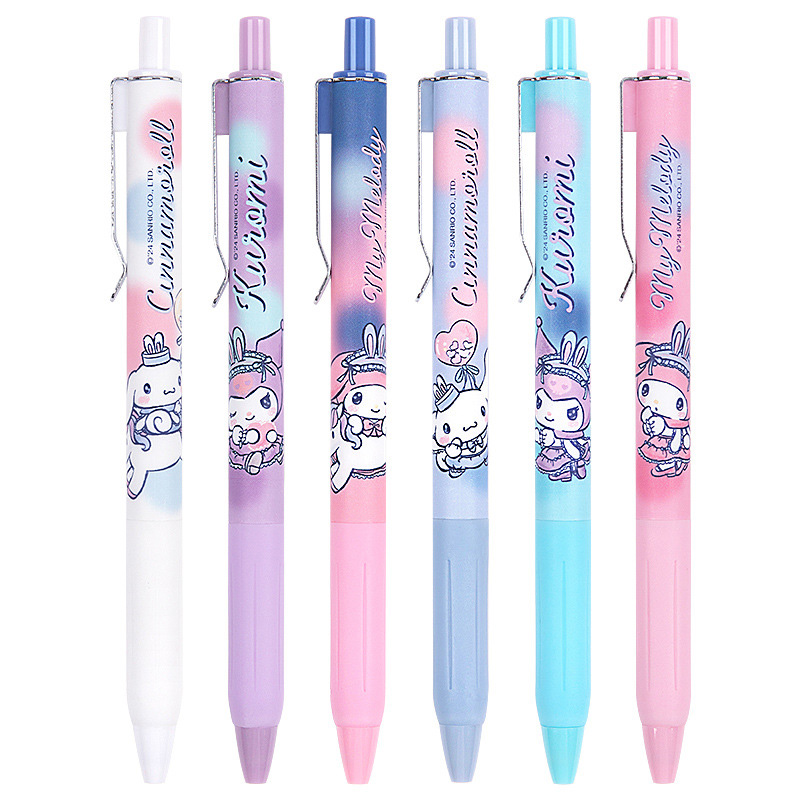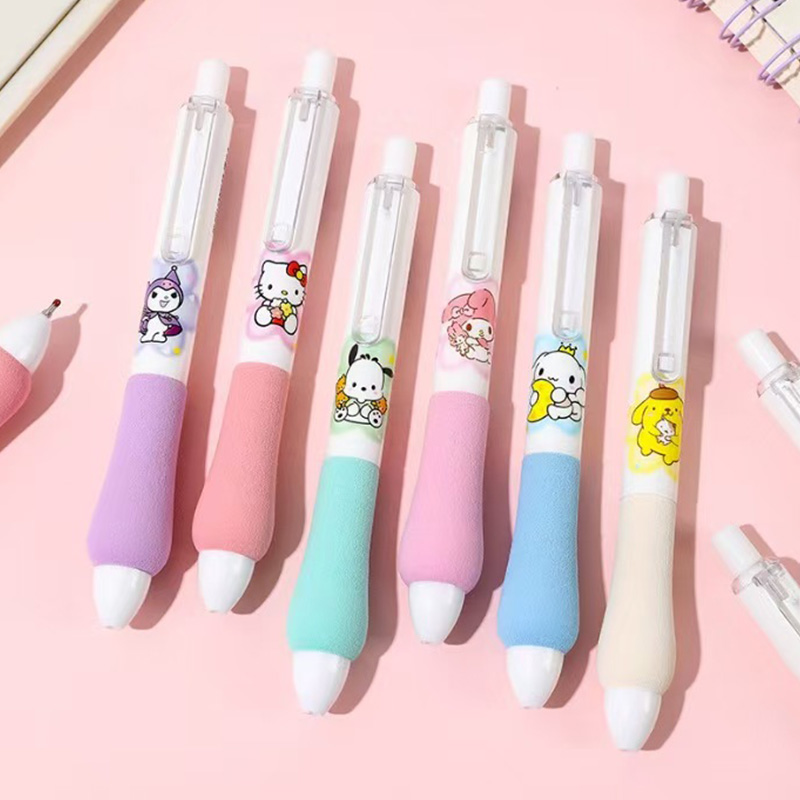
Quality ball point pens appear in meeting rooms, student backpacks, and home desks. Their ink flows smoothly on different paper types without much bleeding, which makes them useful for quick jotting during phone calls or filling out paperwork. Unlike fountain pens that need more care, ball point pens work straight out of the box and stand up to varied conditions.
Many users prefer them for carbon copies and multi-part forms because the pressure of the ball transfers ink clearly. In schools and universities, they remain common for exams and note-taking where reliability counts more than fancy features. Office workers often keep a few in their drawers for those moments when tablets or laptops are not practical. The pens come in different grip styles and barrel shapes, so people can pick ones that feel comfortable during longer writing sessions.
Factories producing quality ball point pens focus on several basic elements. The ball at the tip, usually made from tungsten carbide, needs to roll evenly so ink releases at a steady rate. Ink formulation plays a big part too. Many producers use oil-based formulas that dry quickly enough to reduce smudging but not so fast that the pen clogs during normal use.
Barrels and caps receive attention for durability and feel. Plastic versions keep costs reasonable for everyday carry, while some lines include metal accents or rubber grips for better handling. Assembly lines have seen gradual improvements with better quality checks that catch issues like uneven ink flow or loose components before packaging. Some manufacturers have also looked at ways to reduce material waste during production without changing the final product much.
Quality ball point pens serve a wide range of purposes. In professional environments, they handle everything from signing contracts to marking up printed documents. Their consistent line width makes them suitable for technical sketches or simple diagrams when a full drawing set is not nearby.
Students appreciate pens that last through multiple lecture notes without running dry unexpectedly. In creative fields, some illustrators and designers use ball point pens for initial rough drafts because of their control and low cost. Even in warehouses and workshops, workers use them on clipboards where the ink needs to resist slight moisture or grease.
Different ink colors support organization habits. Black and blue remain standard for formal work, while red helps with editing and highlighting priorities. Retractable versions reduce the chance of pocket stains, and click mechanisms have become smoother in many current models. For travel or daily carry, compact sizes fit easily in bags or shirt pockets without taking much space.
People looking for quality ball point pens usually weigh a few practical factors. Ink longevity matters because nobody wants a pen to fail midway through important notes. Grip comfort becomes noticeable during extended writing periods, especially for those who take a lot of handwritten records.
Point size affects the writing experience. Fine points work well for detailed entries, while medium points suit general use and are often more forgiving on rougher paper. Refillable options can stretch the life of a favorite pen body and reduce plastic waste over time. Price per pen varies depending on volume purchased, with bulk packs making sense for offices and schools.
Ball point pens continue to hold their place even as digital note-taking grows. For situations where a quick signature or permanent record is needed, quality ball point pens offer a straightforward solution that many people still rely on daily.
 Lanxi Economic Development Zone, Jinhua, Zhejiang (No. 30, Qiuling Road, Lanjiang Street)
 +86-13806548080
 [email protected]
Copyright © Zhejiang Wenao Stationery Co., Ltd. All Rights Reserved.
Writing Pens and Refills Factory


 English
 中文简体
中文简体 русский
 Français