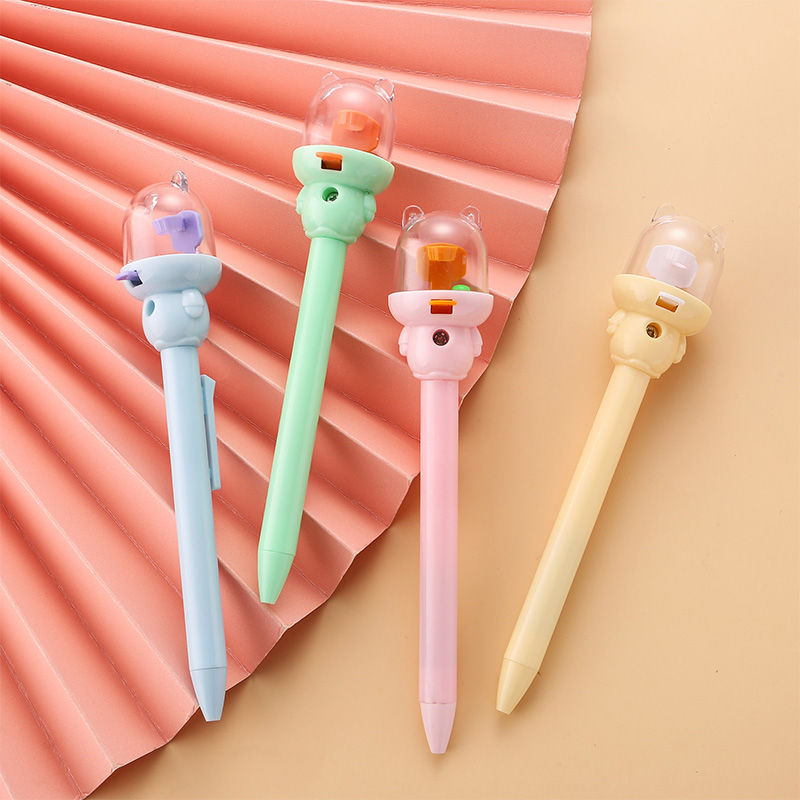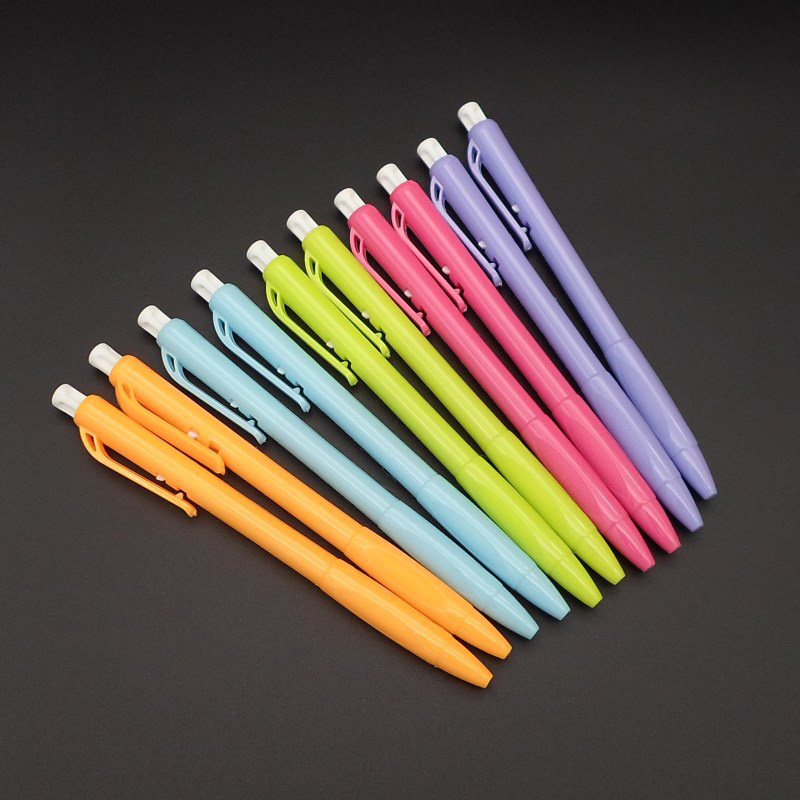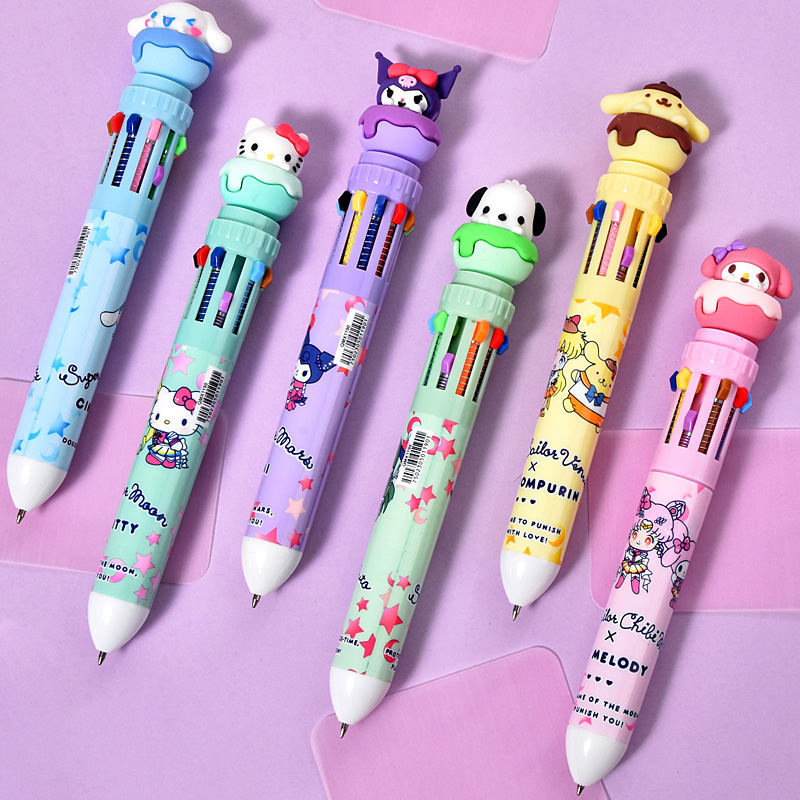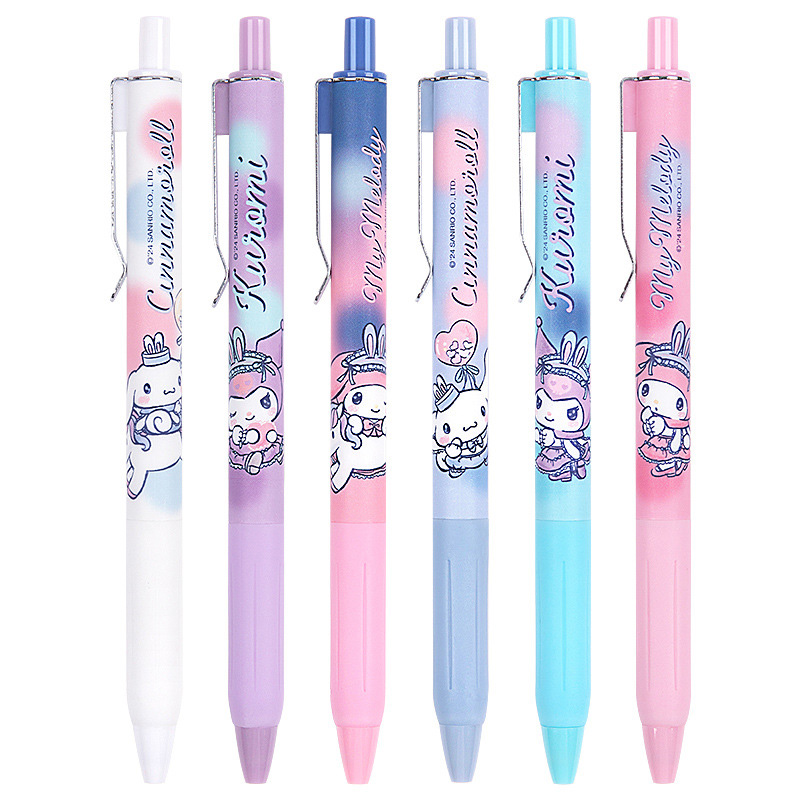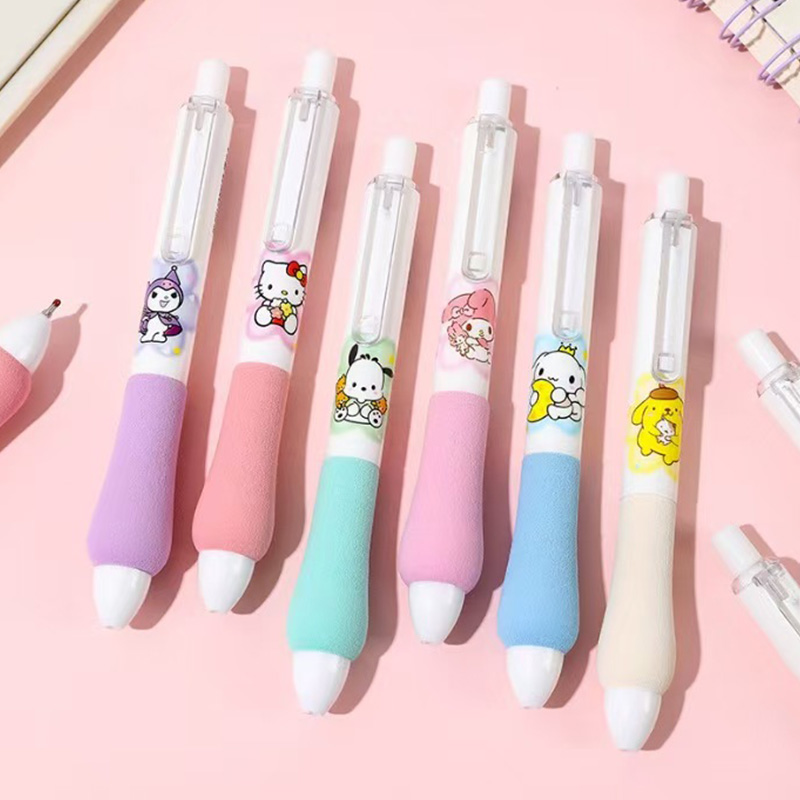
Whiteboard markers have become indispensable tools in classrooms, offices, and meeting spaces worldwide. Their ability to create clear, vivid markings on whiteboards has revolutionized how we present, teach, and collaborate. Over the years, the demand for high quality whiteboard markers has risen significantly.
The quality of a whiteboard marker is largely determined by its manufacturing process. Today, advanced technologies and precision equipment ensure that every marker meets high standards of performance. The ink formulation, which directly influences the marker’s ability to create bold and consistent lines, is a key area of focus. Quality manufacturers now use specially designed machinery to mix ink components, ensuring uniform consistency, color vibrancy, and fast-drying properties.
The marker’s construction is equally important. The body, typically made of durable plastic, is designed to be ergonomic for extended use. Some manufacturers incorporate ergonomic designs that reduce hand fatigue, making these markers ideal for teachers, presenters, and professionals who use them frequently. Quality control during production ensures that each marker functions correctly, with no leakage or inconsistent flow of ink.
The most noticeable difference in high-quality whiteboard markers lies in their ink formulations. Advances in chemistry have led to markers with low-odor, non-toxic, and eco-friendly inks. These formulations not only contribute to a cleaner, healthier environment but also offer superior performance. Markers with such ink formulations deliver smoother writing experiences, less streaking, and longer-lasting results, making them ideal for extensive use in both educational and corporate settings.
In recent years, manufacturers have developed ink that is both smudge-resistant and easy to erase. This is particularly important in high-traffic environments like conference rooms and classrooms, where boards are often written on and wiped clean throughout the day. The combination of vibrant colors and erase-friendly ink allows for greater flexibility in presentations and teaching sessions, reducing the need for constant cleaning and maintaining clear visibility on the board.
The whiteboard marker market has evolved significantly, driven by shifts in consumer needs and preferences. The growing demand for sustainable products has pushed manufacturers to adopt environmentally friendly practices.
There has been a rise in demand for markers that offer a range of colors and tip sizes. Consumers now seek greater variety in their markers, whether for coding complex ideas, color-coding notes, or simply making presentations more engaging. Markers with chisel tips, fine tips, and bullet tips are now common, allowing for more versatility in how content is written and presented. This trend towards customization reflects a broader movement in the market, where personalization and adaptability have become key factors in product selection.
Whiteboard markers are no longer confined to the classroom. In fact, their role in both educational and professional environments has expanded significantly. In the classroom, high quality markers facilitate interactive lessons, creative problem-solving activities, and visual aids that enhance student engagement. Teachers rely on markers that offer consistent performance, even during long hours of use, to ensure clarity in communication.
In professional settings,high quality whiteboard markers have become essential tools in brainstorming sessions, team meetings, and project planning. The ability to quickly jot down ideas and illustrate concepts on a whiteboard helps teams collaborate more effectively. Remote work and hybrid office environments have led to the rise of digital whiteboard tools, further blurring the lines between traditional and digital media. However, physical whiteboard markers still maintain a strong presence, as they offer a tactile, hands-on experience that digital tools cannot fully replicate.
 Lanxi Economic Development Zone, Jinhua, Zhejiang (No. 30, Qiuling Road, Lanjiang Street)
 +86-13806548080
 [email protected]
Copyright © Zhejiang Wenao Stationery Co., Ltd. All Rights Reserved.
Writing Pens and Refills Factory


 English
 中文简体
中文简体 русский
 Français