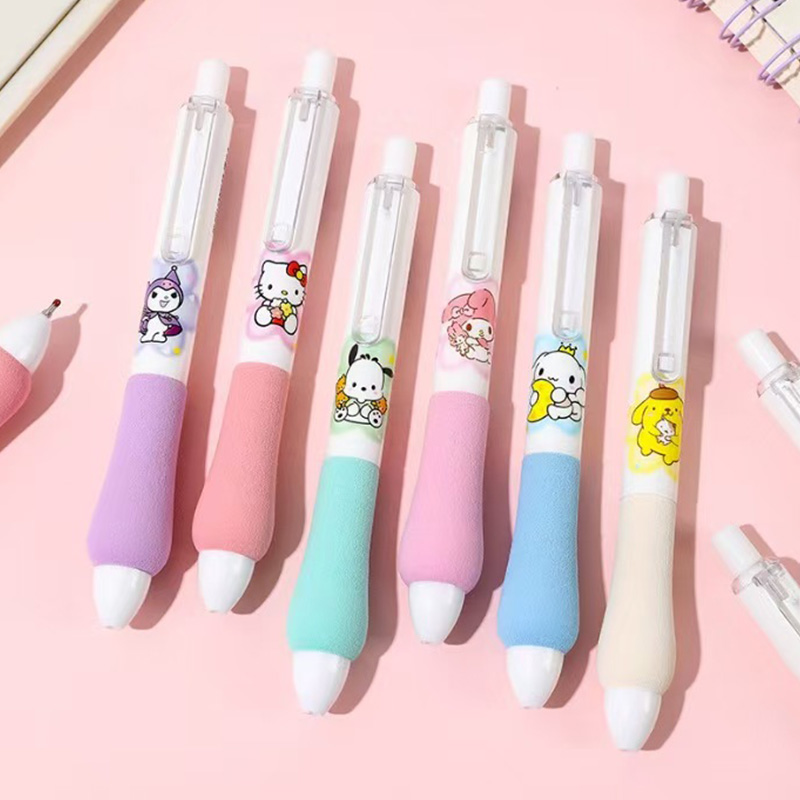
Anyone who has browsed an art supply shelf knows the surprise: watercolor pens that look nearly identical can carry wildly different price tags. The watercolor pen price puzzle confuses beginners and seasoned artists alike. So what actually separates an affordable set from a premium one?
The single largest factor behind watercolor pen price sits inside the barrel. Inks come in two broad families — dye-based and pigment-based. Dye-based inks flow smoothly and produce vivid, transparent washes, which keeps production costs lower. Pigment-based inks contain tiny particles that resist fading and layer beautifully, but grinding and stabilizing those particles takes extra steps in the factory.
Concentration matters too. A pen loaded with rich, heavily pigmented ink covers more paper per stroke, so manufacturers justify a higher watercolor pen price with less product waste over time.
The tip of a watercolor pen determines how it feels on paper. Firm felt nibs are cheap to produce and suit bold lines and lettering. Brush nibs — flexible tips that taper with pressure — mimic a real paintbrush and demand more precise construction.
Double-ended pens add another nib plus extra assembly work. Each design choice feeds directly into the watercolor pen price shoppers see on the shelf.
Pick up two pens side by side, and the difference is immediate. Budget pens use lightweight plastic that feels functional. Higher-priced models add ergonomic grips, balanced weight, or refillable barrels designed to last years rather than months.
Some brands use translucent barrels so artists can watch ink levels drop — a small touch, but one that requires different manufacturing molds and materials.
Buying a single pen tells one story; buying a set tells another. Manufacturers price small starter sets to attract newcomers, while large 48-color collections spread packaging costs across more units. The watercolor pen price per pen often drops in bigger sets, which makes a 24-pen box look like a bargain next to four individual purchases.
Gift-worthy packaging — tin cases, color charts, blending guides — adds cost that has nothing to do with the ink itself.
A casual journaler doodling on weekends has different needs than a professional illustrator selling commissioned work. For practice, letter practice, and sketchbook experiments, affordable sets deliver plenty of joy. For gallery pieces or client work, investing in pens with lightfast, pigment-based ink makes practical sense.
The smart move is honest self-assessment: how often will you paint, on what paper, and for whose eyes? Answer those three questions, and the crowded shelf suddenly looks much simpler to navigate.
Watercolor pen price reflects ink chemistry, nib engineering, barrel quality, brand investment, and retail strategy — all stacked together. No single factor tells the full story, and the "right" price depends entirely on the hand holding the pen.
Next time a price tag raises an eyebrow, consider what went into it. Sometimes the number surprises you in the pleasant direction, and sometimes paying more earns its keep with every brushstroke.
 Lanxi Economic Development Zone, Jinhua, Zhejiang (No. 30, Qiuling Road, Lanjiang Street)
 +86-13806548080
 [email protected]
Copyright © Zhejiang Wenao Stationery Co., Ltd. All Rights Reserved.
Writing Pens and Refills Factory


 English
 中文简体
中文简体 русский
 Français