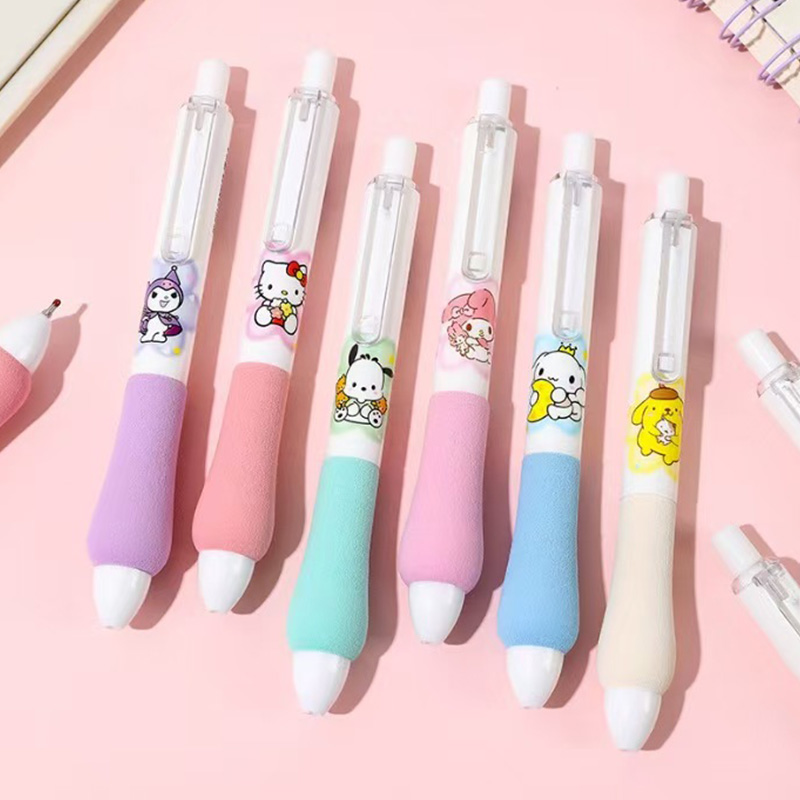
The watercolor pen market is growing steadily, supported by strong demand from both professional artists and hobbyists who value portable and easy-to-use painting tools. These pens, which combine the flexibility of watercolor with the precision of a marker, have become a favorite for illustration, design, and journaling. Over the past few years, the watercolor pen price has become an important indicator of market balance, influenced by raw materials, manufacturing technology, and consumer behavior.
International art supply brands are expanding their product lines, offering pens in varying price ranges to attract different customer segments. While entry-level watercolor pens remain affordable, premium series designed for professional use can cost several times more. This variation highlights how the market has diversified to accommodate a broader creative community.
Several factors contribute to the steady shifts in watercolor pen prices. One of the most significant is material quality—the type of pigment, brush tip, and barrel used directly affect production costs. Manufacturers sourcing higher-quality pigments or flexible nylon brush tips often price their products higher due to improved color performance and durability.
Another important factor is production efficiency. Companies using automated filling and sealing systems achieve better consistency and lower waste, which helps stabilize prices. However, fluctuations in global supply chains, particularly in plastics, inks, and packaging materials, can still lead to moderate price variations.
Brand positioning plays a major role. Established global brands tend to maintain slightly higher pricing as they invest heavily in product design, marketing, and customer service. Emerging Asian manufacturers are offering competitive alternatives, prompting a gradual adjustment in global pricing structures.
The watercolor pen market is typically divided into three main segments: student-grade, hobby-grade, and professional-grade. Each category displays distinct pricing patterns. Student-grade pens are often sold in bulk at economical prices, making them accessible for educational institutions. Hobby-grade pens balance quality and affordability, serving casual artists and design enthusiasts. Professional-grade options, on the other hand, prioritize performance and pigment intensity, appealing to illustrators, designers, and calligraphers.
Consumers increasingly favor value-based purchasing, comparing watercolor pen price points across online platforms before making decisions. E-commerce growth has introduced more transparency, allowing artists to review prices, product features, and customer feedback globally. This digital shift has encouraged brands to maintain consistent quality and clear pricing strategies to remain competitive in the expanding global marketplace.
Innovation is shaping the next phase of watercolor pen development and may influence future pricing. Manufacturers are experimenting with refillable designs, eco-friendly packaging, and long-lasting pigment formulations. These enhancements can increase short-term costs but are expected to stabilize prices as production technology matures.
In the coming years, the watercolor pen price is expected to stay generally stable within a moderate range, as brands aim to balance innovation, sustainability, and affordability. Regional manufacturing hubs in China, South Korea, and Germany continue to drive supply, while Western markets maintain strong demand for premium and artistic-quality sets.
The watercolor pen price reflects a dynamic intersection of creativity, technology, and global trade. From affordable student models to high-end professional sets, each price point represents a balance between artistic expression and manufacturing value. Both consumers and producers can expect an art supply industry that prioritizes quality, functionality, and accessibility—ensuring that watercolor pens remain a vibrant part of creative culture worldwide.
 Lanxi Economic Development Zone, Jinhua, Zhejiang (No. 30, Qiuling Road, Lanjiang Street)
 +86-13806548080
 [email protected]
Copyright © Zhejiang Wenao Stationery Co., Ltd. All Rights Reserved.
Writing Pens and Refills Factory


 English
 中文简体
中文简体 русский
 Français