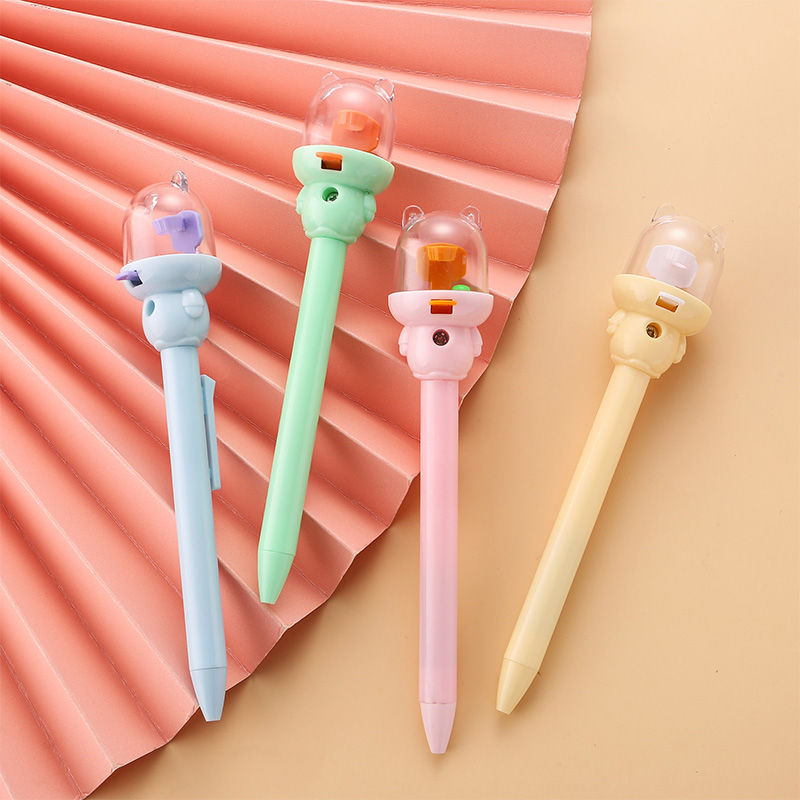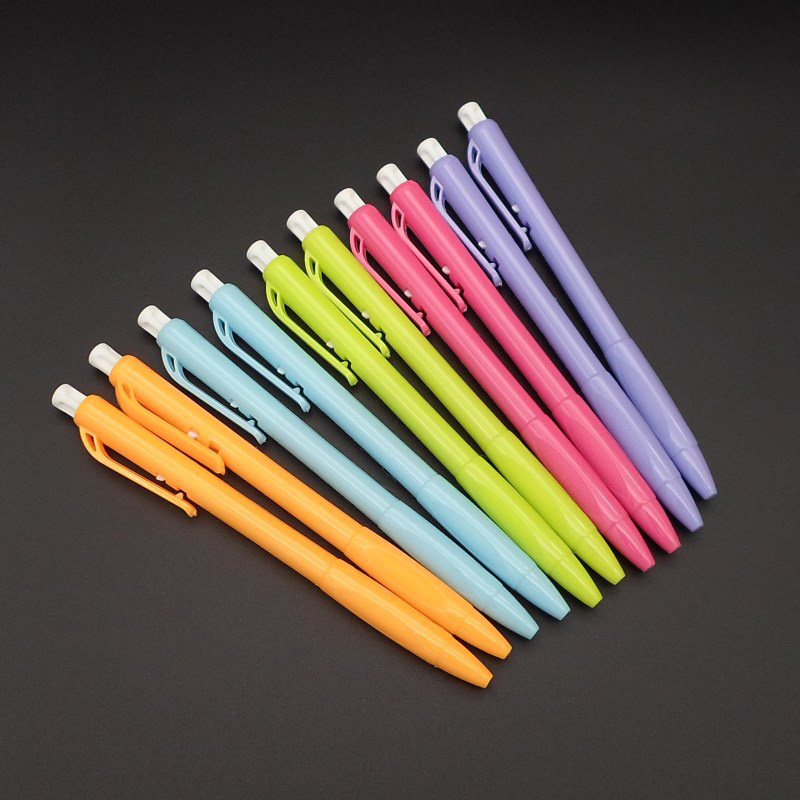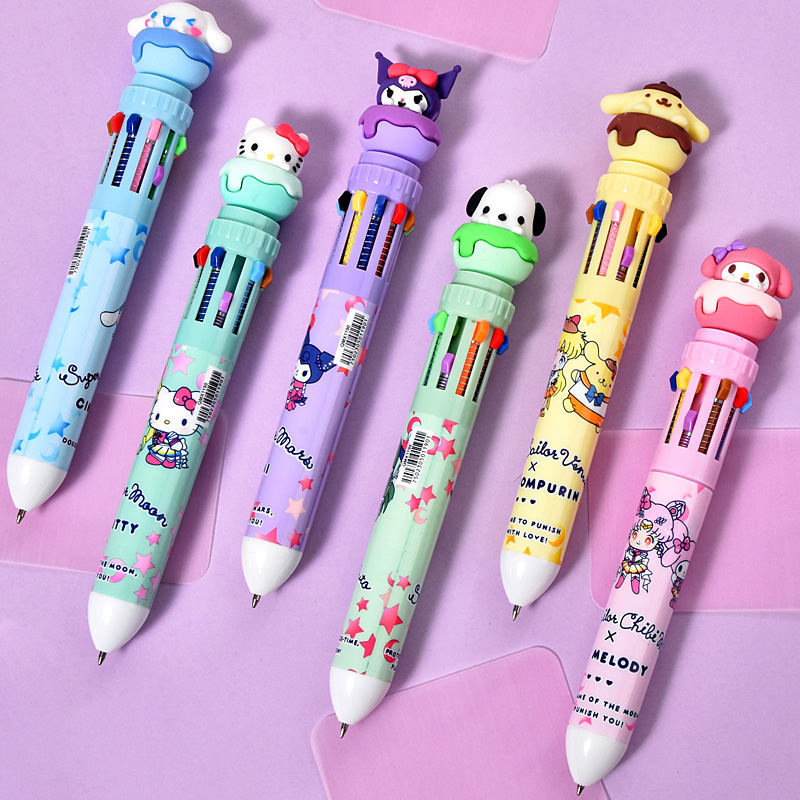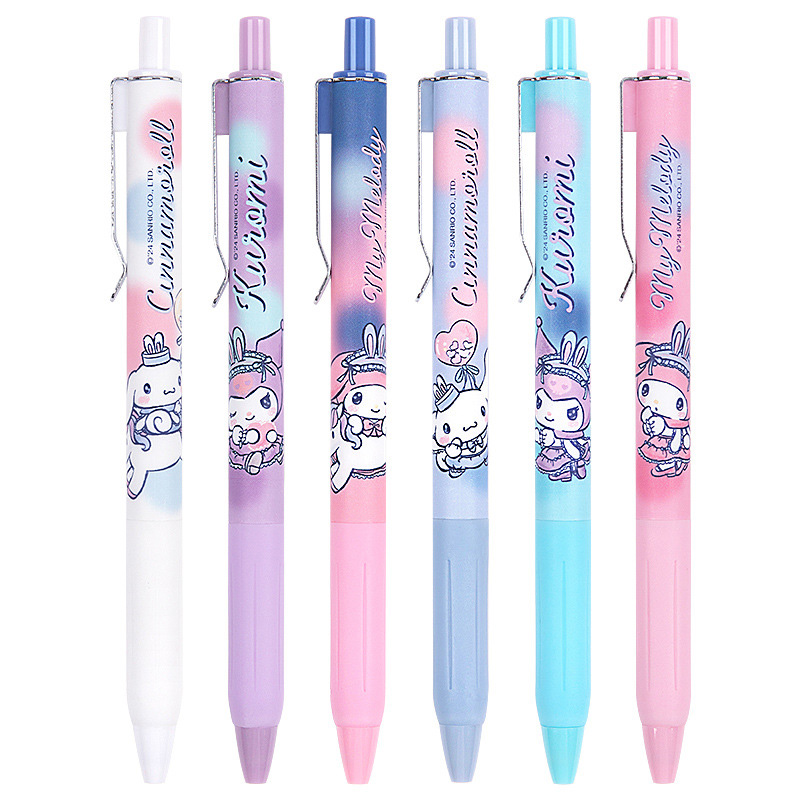
Metal ball point pens factories operate as organized centers where raw materials transform into smooth, functional writing instruments used in offices, schools, and homes. Entering such a facility, one notices coordinated workflows where metal tubes, ink cartridges, tips, and clips move steadily along assembly lines. The production process begins with shaping metal barrels, which are cut, polished, and prepared for assembly. These components form the foundation of the pen, providing both durability and a balanced feel for writing. Precision in shaping ensures that each barrel maintains consistent dimensions and a smooth surface, allowing for uniform assembly in later stages.
At the heart of production, machines and operators collaborate to assemble tips, ink cartridges, and barrels. The ball point tip, typically made of tungsten carbide or steel, is inserted carefully into the tip housing. Alignment is crucial, as small deviations can affect ink flow and writing smoothness. Factories employ jigs and fixtures to maintain consistent positioning across production runs, ensuring each pen delivers reliable performance. Operators frequently check tip rotation, cartridge seating, and barrel alignment, making minor adjustments when needed.
Ink filling is another essential stage in the process. Factories use specialized equipment to inject precise amounts of ink into cartridges without air bubbles or leaks. The ink must flow smoothly through the ball mechanism, so viscosity and volume are monitored carefully. Cartridges are capped and sealed before integration into the pen barrel. Testing ensures consistent ink delivery and prevents leakage, supporting uniform performance across batches.
Barrel finishing and polishing enhance both aesthetics and functionality. Polishing removes surface imperfections, while optional coatings or plating provide a professional appearance. The process requires controlled steps, including cleaning, polishing, and inspection, so that the finished barrel maintains smoothness without affecting the fit of other components. Handles, clips, or decorative elements may be added at this stage, expanding the pen’s appeal while keeping assembly efficient.
Assembly lines integrate multiple operations, moving parts from shaping and ink filling to final assembly. Tips, cartridges, barrels, and clips are joined into complete pens. Each unit is checked for functionality, including ink flow, tip rotation, and mechanical operation of retractable mechanisms. Operators conduct visual inspections to ensure alignment and surface quality. Packaging stations prepare finished pens for shipment, protecting tips and barrels while keeping units organized for distribution.
Finished metal ball point pens find applications across multiple environments. They are used in offices, schools, promotional events, and personal writing. The combination of metal barrels, precision tips, and controlled ink flow provides a smooth and reliable writing experience. Pens may vary in size, weight, and design, allowing users to select options that suit their preferences without compromising performance. Versatility is evident in retractable or capped designs, clip options, and decorative finishes.
Metal ball point pens factory demonstrates coordinated engineering, machining, ink handling, and assembly. Machines and operators work together to maintain uniformity, alignment, and consistent ink delivery. The resulting pens provide a smooth, reliable writing experience while reflecting careful coordination and practical engineering. Each metal ball point pen represents a balance of mechanical precision, material handling, and attention to detail, supporting everyday writing needs across diverse environments.
 Lanxi Economic Development Zone, Jinhua, Zhejiang (No. 30, Qiuling Road, Lanjiang Street)
 +86-13806548080
 [email protected]
Copyright © Zhejiang Wenao Stationery Co., Ltd. All Rights Reserved.
Writing Pens and Refills Factory


 English
 中文简体
中文简体 русский
 Français