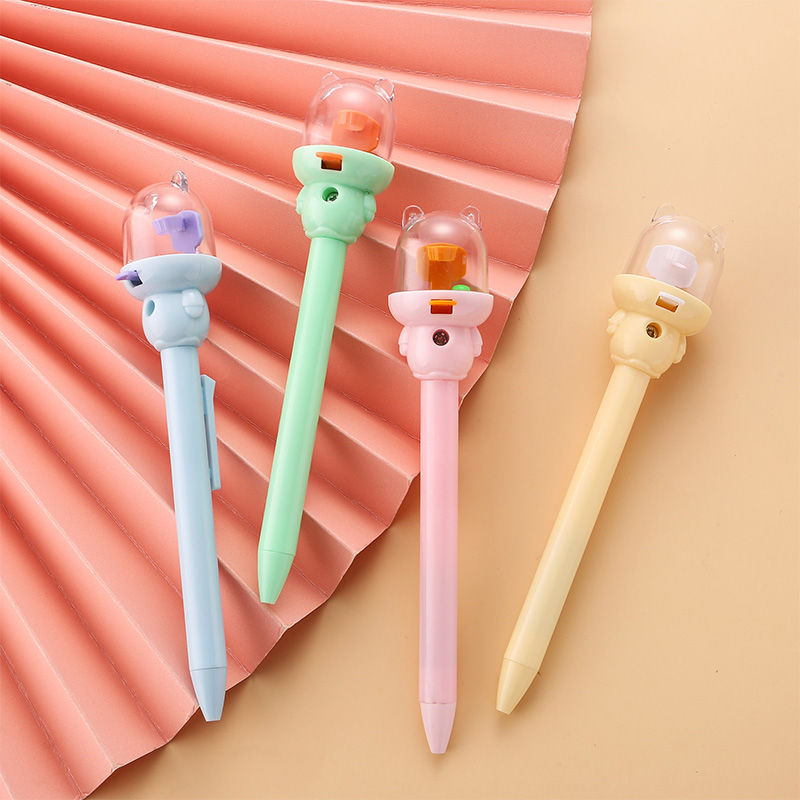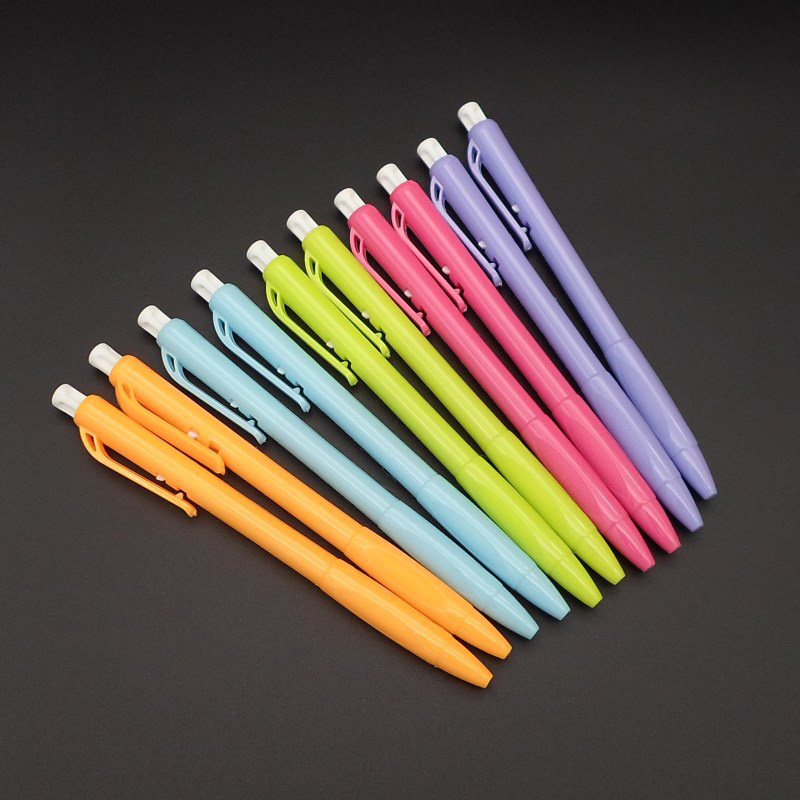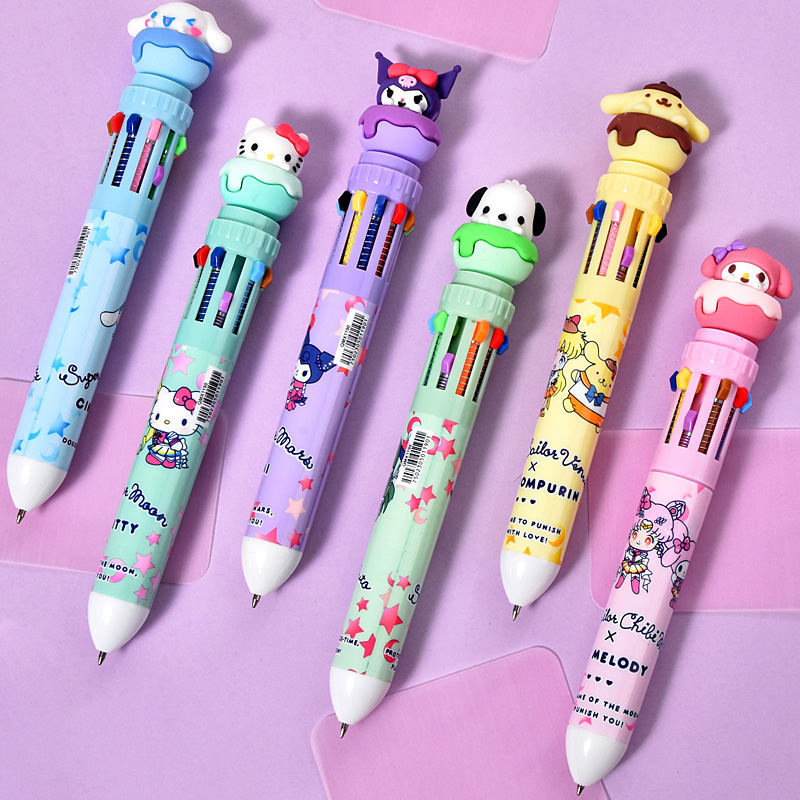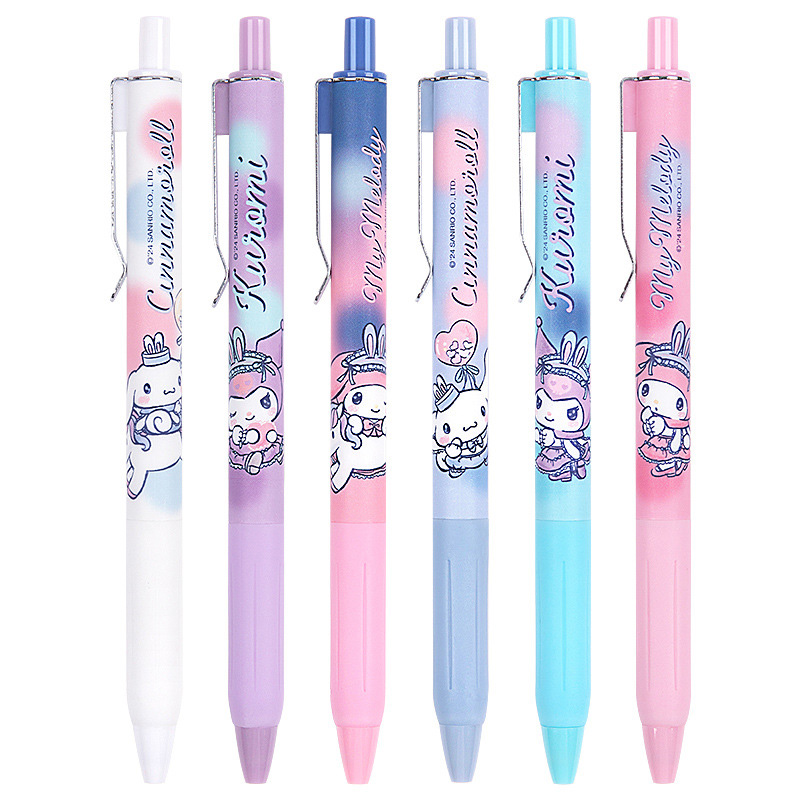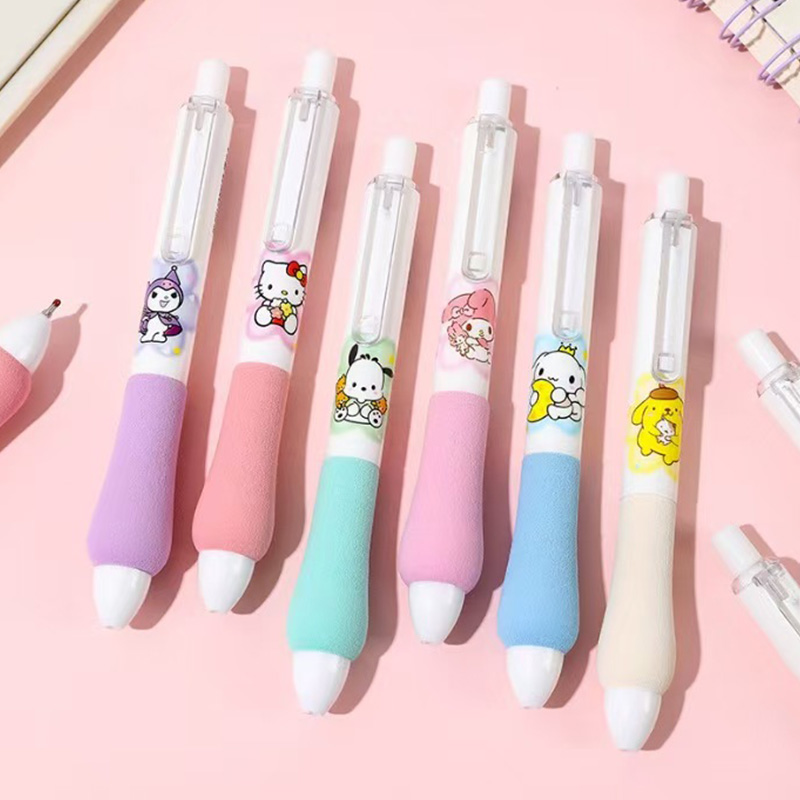
A Gel Pen Refill plays a quiet but important role in everyday writing tools, especially in environments where writing is frequent and consistency matters. Instead of replacing an entire pen when the ink runs out, users can simply replace the internal ink core. This small change affects how people interact with stationery, how often they replace writing tools, and how they manage long-term usage in offices, schools, and personal settings.
The basic idea behind a Gel Pen Refill is straightforward. It is a replaceable ink tube designed to fit inside compatible gel pens. The outer pen body remains in use, while only the ink component is swapped out. This structure supports a more continuous writing experience and reduces interruptions caused by searching for new pens. Many users appreciate that the writing feel remains familiar even after replacing the refill, since the grip and body of the pen stay the same.
One of the noticeable features of a Gel Pen Refill is the ink texture. Gel ink is known for its smooth flow, which allows writing to appear consistent across different types of paper. This consistency is one of the reasons gel pens are widely used in note-taking, journaling, and document marking. When a refill is installed correctly, the ink flow continues without major variation, which helps maintain handwriting clarity over time.
Compatibility is another important aspect of Gel Pen Refill systems. Not all refills fit every pen, and manufacturers often design specific sizes and shapes for their models. However, over time, more standardized formats have appeared, allowing users to choose from a wider range of refill options. This flexibility encourages people to keep their favorite pen bodies for longer periods instead of discarding them when ink runs out.
From a usage perspective, a Gel Pen Refill can support extended writing sessions. Students, office workers, and professionals who write frequently often find that carrying spare refills is more convenient than carrying multiple pens. When the ink runs low, a quick replacement restores the pen’s function. This process reduces downtime and keeps writing tasks uninterrupted, especially during meetings, exams, or planning sessions.
In terms of material use, Gel Pen Refill systems also contribute to reducing disposable pen waste. Traditional pens are often discarded once empty, even if the body is still in usable condition. By separating the ink component from the outer shell, refills allow more efficient use of materials. While the impact varies depending on usage habits, the concept encourages longer product lifecycles and less frequent disposal of plastic pen bodies.
The design of a Gel Pen Refill has also evolved to improve reliability. Ink consistency, drying time, and flow control are all factors that manufacturers refine to match user expectations. Some refills are designed for quick-drying ink, which helps reduce smudging, especially for left-handed writers or fast note-taking situations. Others focus on longer writing length, allowing more pages to be covered before replacement is needed.
Storage and handling of Gel Pen Refill units are generally simple. They are small, lightweight, and easy to carry in pencil cases, desk drawers, or bags. This portability makes them suitable for people who move between different writing environments throughout the day. In educational settings, for example, students may keep spare refills in their stationery kits to avoid interruptions during classes.
 Lanxi Economic Development Zone, Jinhua, Zhejiang (No. 30, Qiuling Road, Lanjiang Street)
 +86-13806548080
 [email protected]
Copyright © Zhejiang Wenao Stationery Co., Ltd. All Rights Reserved.
Writing Pens and Refills Factory


 English
 中文简体
中文简体 русский
 Français