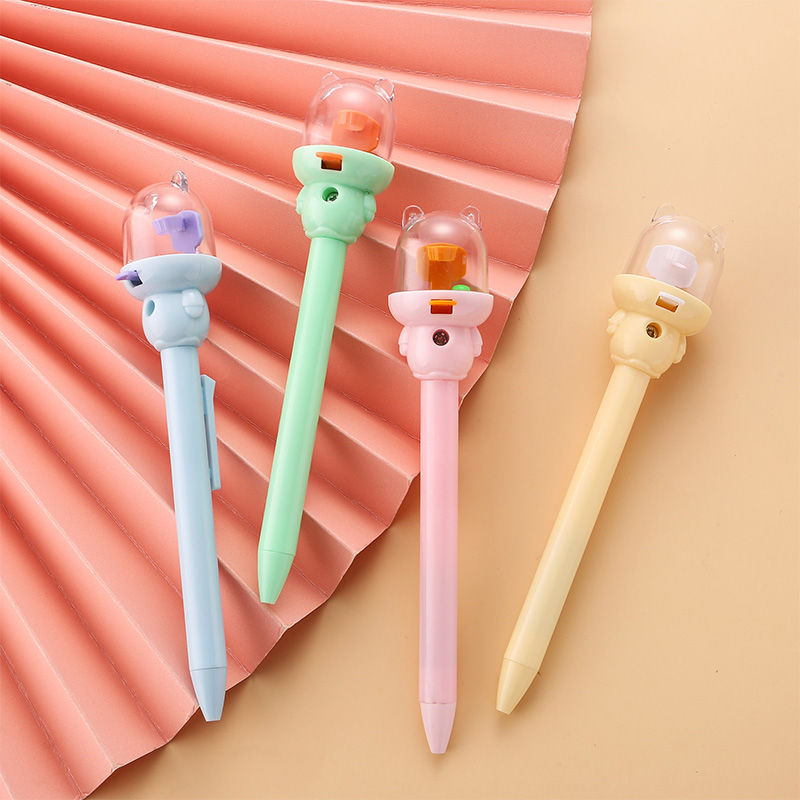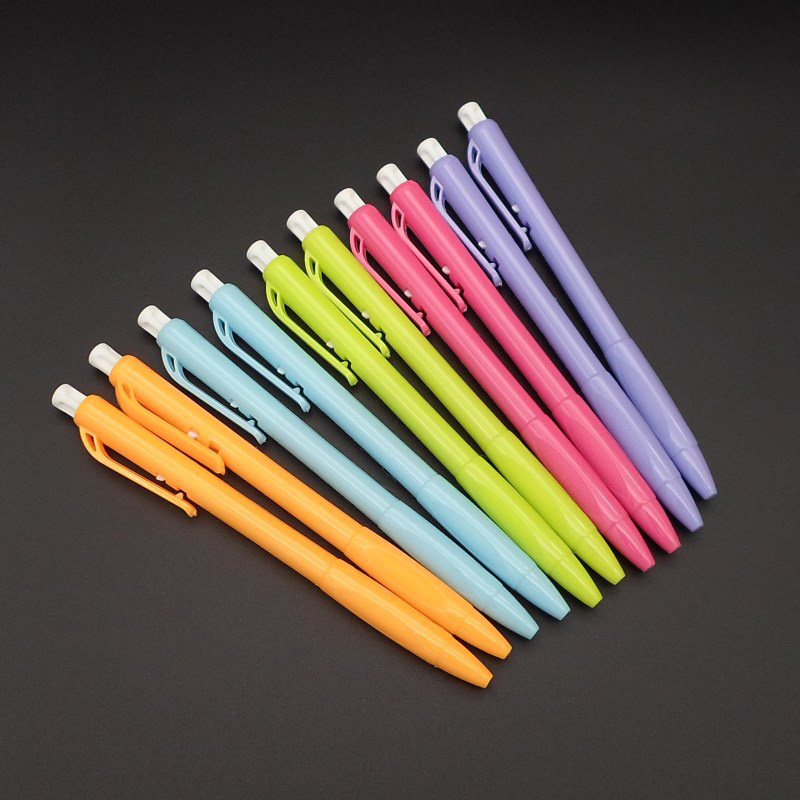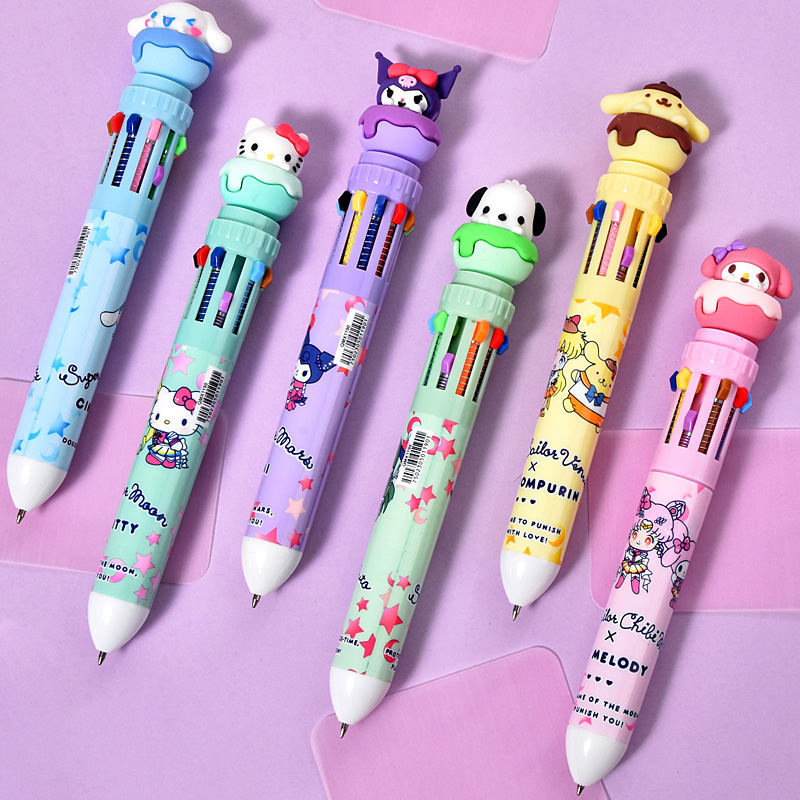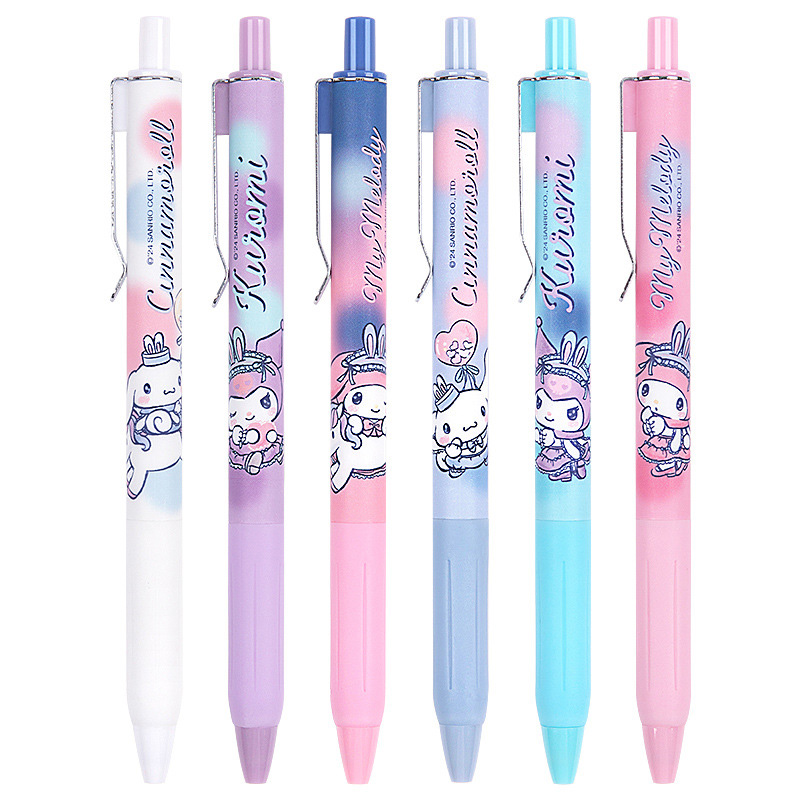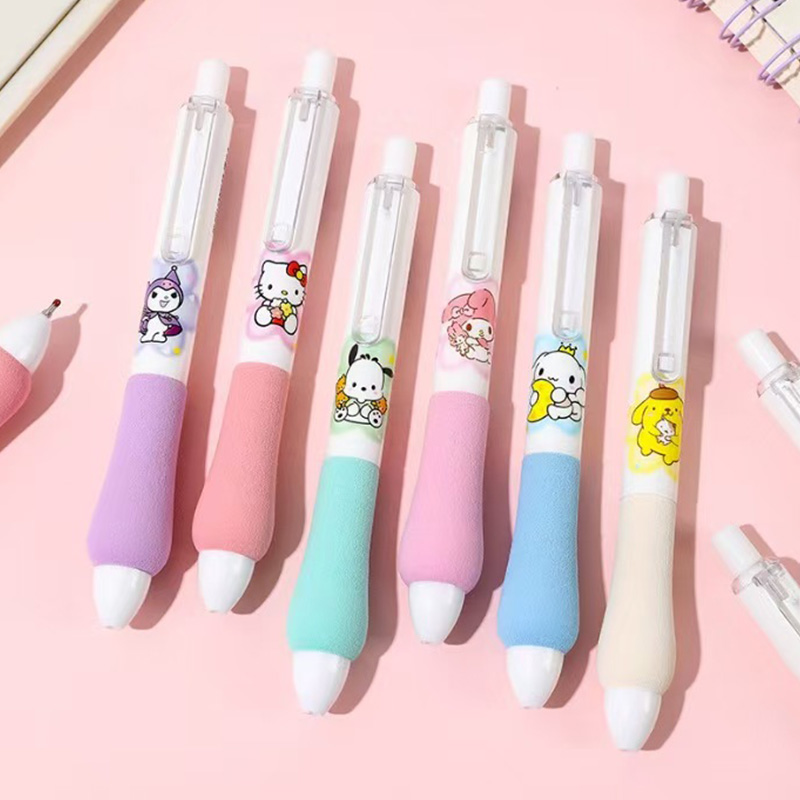
Highlighter factories produce a wide range of writing instruments designed to emphasize text, notes, or important information. The function of a highlighter is simple, yet the design and production process involves careful consideration of ink composition, tip construction, and ergonomics. Highlighter factories manufacture pens in various sizes, colors, and styles, ensuring consistent performance for students, office workers, and creative users. The efficiency of a highlighter factory reflects both the quality of materials and the precision of assembly processes.
Highlighter factory operations involve sourcing raw materials such as plastic for barrels, highlighter ink, and fiber or chisel tips. The selection of these components affects product durability and usability. Factories often implement quality control measures to ensure that each highlighter provides smooth ink flow and consistent color. Even slight variations in tip shape or ink consistency can impact performance, so factory standards are critical in maintaining product reliability.
The production process in a highlighter factory is multi-step, combining automated machinery with skilled labor. Ink is prepared in large batches, ensuring uniform color and consistency. Barrels and caps are molded using precise manufacturing techniques, and tips are carefully inserted to maintain alignment. Automated machines often fill pens with the prepared ink, while workers perform inspections to detect defects or inconsistencies. This combination of automation and manual quality checks supports consistent output and reliable products.
Highlighter factories may produce various types of pens, including chisel-tip, bullet-tip, and dual-tip models. Each type requires specific adjustments in assembly to ensure proper ink flow and tip performance. Factories also manage inventory and packaging processes, often producing pens in bulk for distribution to retailers or schools. Understanding highlighter factory operations highlights the complexity behind a seemingly simple stationery product.
Highlighter factories often offer a variety of colors and finishes to suit different needs. Standard colors like yellow, pink, and green are widely used, while additional shades such as orange, blue, or pastel tones provide extra options. Factories may also produce custom highlighters, including branded pens or promotional items. Customization can involve printing logos, selecting specific color combinations, or designing unique packaging. These options add versatility to highlighter factory output and allow businesses to meet diverse customer demands.
Customization is not limited to appearance; tip design and ink characteristics can also vary. Some highlighter factories produce pens with quick-drying ink to reduce smudging, while others focus on smooth blending for creative applications. The ability to tailor products to specific requirements demonstrates the flexibility and range of highlighter factory production, making these factories essential to both standard and specialized stationery markets.
Highlighter factories supply products that are widely used in offices, schools, and personal workspaces. The consistent quality and performance of these products are critical for daily tasks, including studying, organizing documents, and planning activities. A reliable highlighter ensures that text is clearly emphasized without bleeding through pages or fading over time. The reach of highlighter factory products extends globally, supporting education and professional work across different regions and industries.
Factory efficiency also influences product availability and cost. Well-organized highlighter factories can produce large quantities while maintaining quality standards, ensuring that pens are accessible to a wide audience. Their output supports a steady supply of reliable writing tools that meet user expectations.
 Lanxi Economic Development Zone, Jinhua, Zhejiang (No. 30, Qiuling Road, Lanjiang Street)
 +86-13806548080
 [email protected]
Copyright © Zhejiang Wenao Stationery Co., Ltd. All Rights Reserved.
Writing Pens and Refills Factory


 English
 中文简体
中文简体 русский
 Français