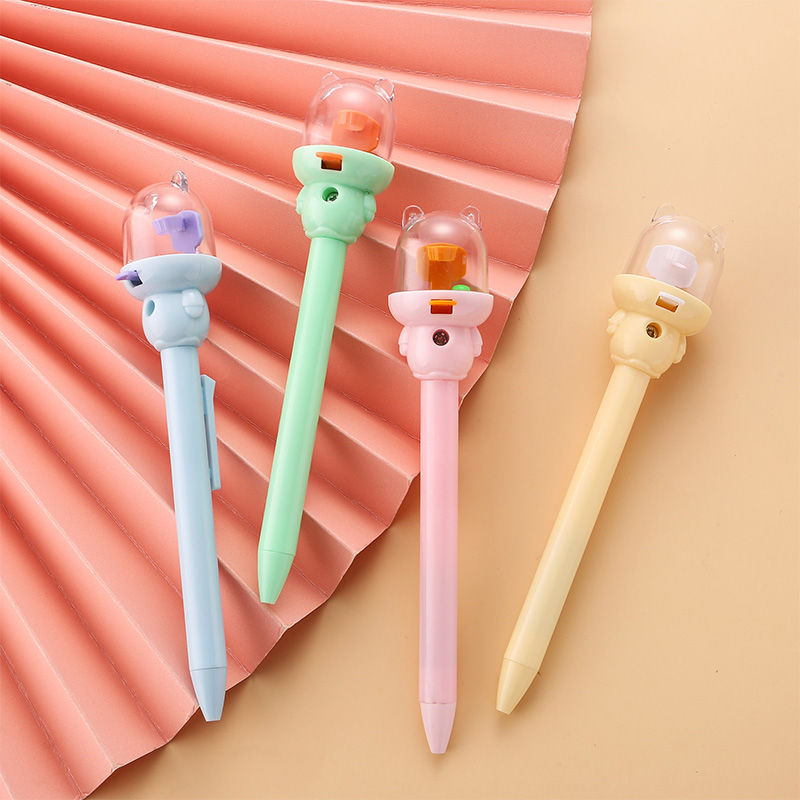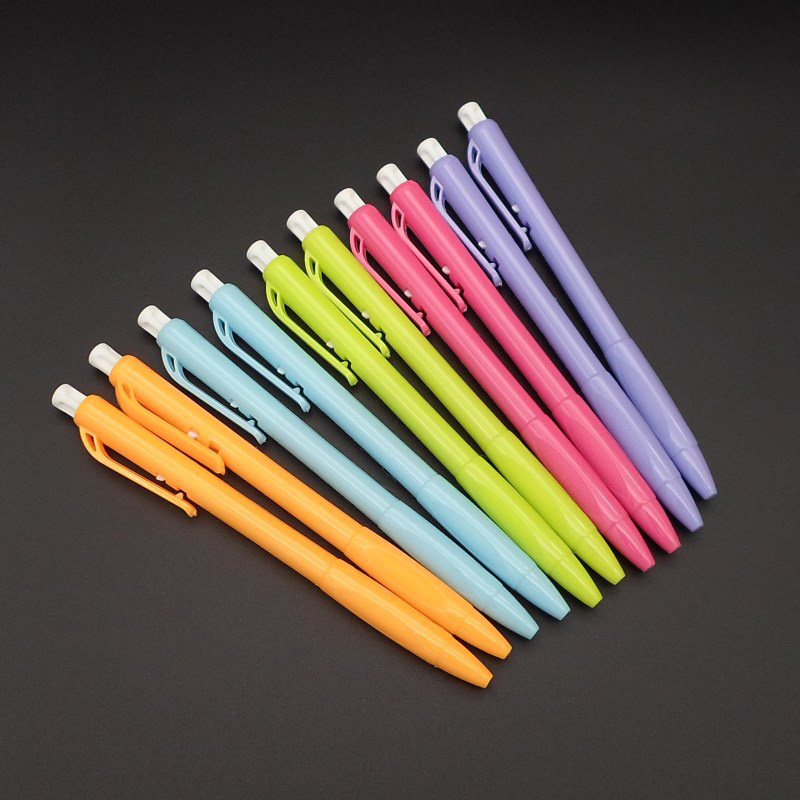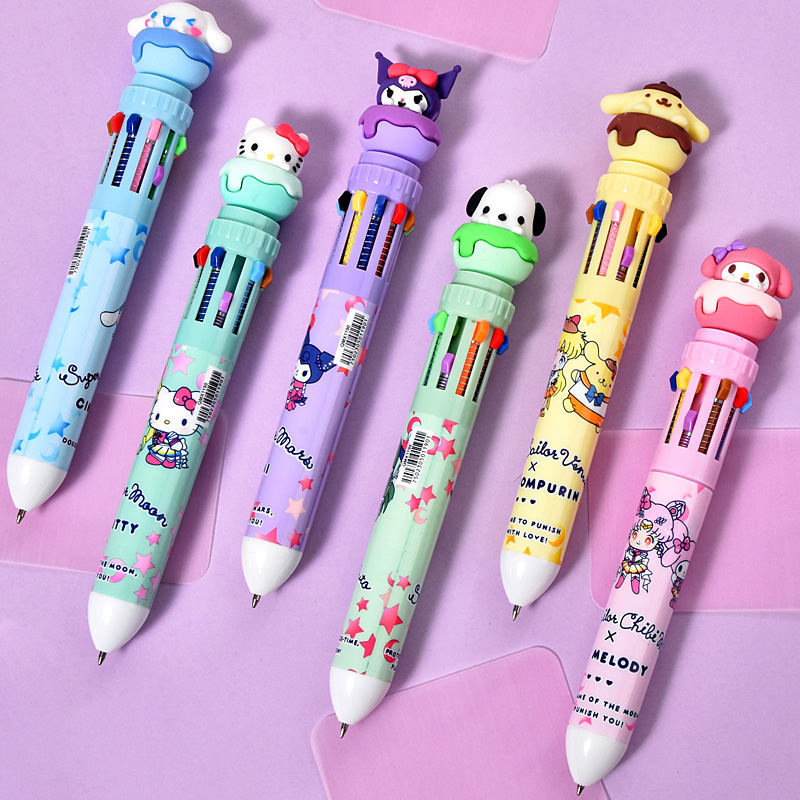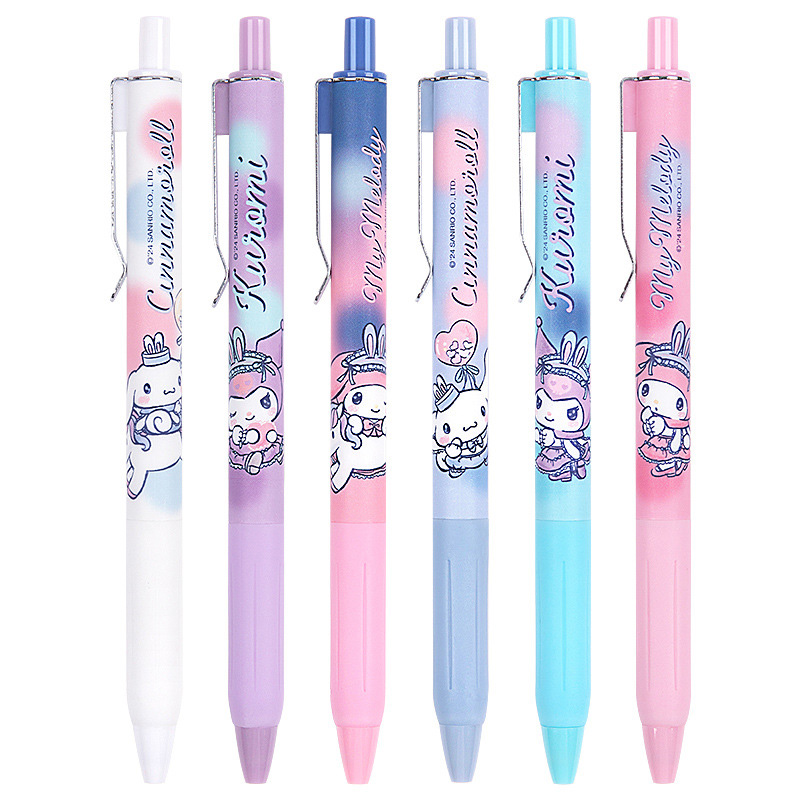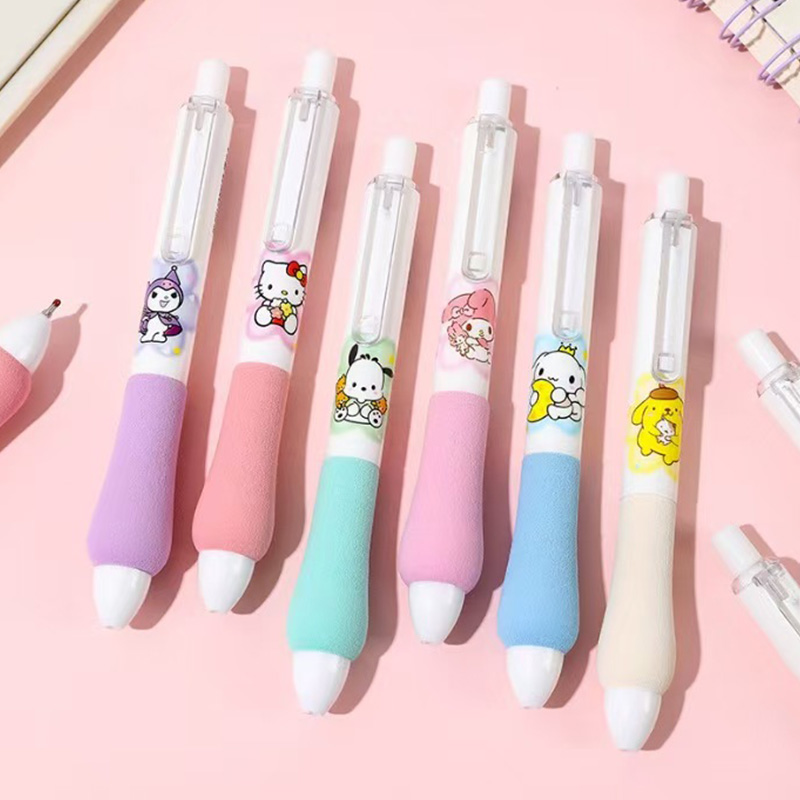
Watercolor pens have become a popular choice for artists and hobbyists because of their ability to combine the convenience of markers with the fluidity of watercolor paints. The price of a watercolor pen can vary depending on several factors, including the brand, ink formulation, and the materials used in the pen’s construction. While some pens are priced for casual use, others are designed with professional-grade components to provide smoother blending and more vibrant colors. Understanding watercolor pen price requires looking at the pen’s features, the type of ink, and the intended audience.
The materials used in a watercolor pen can significantly affect its price. Pens with durable plastic or aluminum barrels tend to offer a longer lifespan and a consistent feel in hand. Brush tips are another consideration. High-quality synthetic or natural fiber tips can maintain shape and flexibility, which allows for detailed strokes and broad washes. These features often appear in mid-range and higher-priced pens, while basic models might offer standard tips suitable for simple projects and practice. Additionally, the construction of the pen cap and the inner ink reservoir can influence both usability and cost. Pens designed with secure caps prevent the tip from drying out, and well-sealed ink chambers ensure smooth, even flow during extended use.
Another factor influencing watercolor pen price is ink quality. Water-based inks are commonly used in these pens to create smooth color blending and gradation. Premium inks are formulated to offer consistent flow, vibrant pigmentation, and even drying characteristics. Lower-priced pens may use less concentrated inks or inks that produce uneven results, which can affect the final artwork. Color variety is also a consideration; pens that provide a broad spectrum of hues or special effects such as metallic or pastel shades can command higher prices due to the complexity of the ink formulation.
Artists often compare watercolor pen price by evaluating ink performance alongside blending capabilities. Pens that can blend seamlessly with water or other colors allow for versatile techniques, including layering, shading, and gradient effects. When considering watercolor pen price, potential buyers often weigh the value of these capabilities against the cost. While basic pens serve introductory purposes, pens with superior ink performance tend to support more refined artistic outcomes, justifying a higher investment.
When selecting watercolor pens, understanding how watercolor pen price aligns with artistic needs is important. Beginners may prefer affordable options that allow experimentation without high cost, while more experienced artists might invest in pens that provide better color intensity, smoother ink flow, and longer-lasting tips. Additional factors such as brand reputation, customer reviews, and user experiences can help evaluate whether a particular watercolor pen price meets expectations.
Watercolor pen price also reflects design elements such as ergonomics and portability. Pens with lightweight barrels or comfortable grips reduce hand fatigue during extended use, while compact designs make carrying art supplies convenient. These design choices contribute to the overall cost and value. Ultimately, understanding watercolor pen price requires examining the combination of materials, ink quality, color options, and design features to find the right fit for each artist’s requirements.
 Lanxi Economic Development Zone, Jinhua, Zhejiang (No. 30, Qiuling Road, Lanjiang Street)
 +86-13806548080
 [email protected]
Copyright © Zhejiang Wenao Stationery Co., Ltd. All Rights Reserved.
Writing Pens and Refills Factory


 English
 中文简体
中文简体 русский
 Français