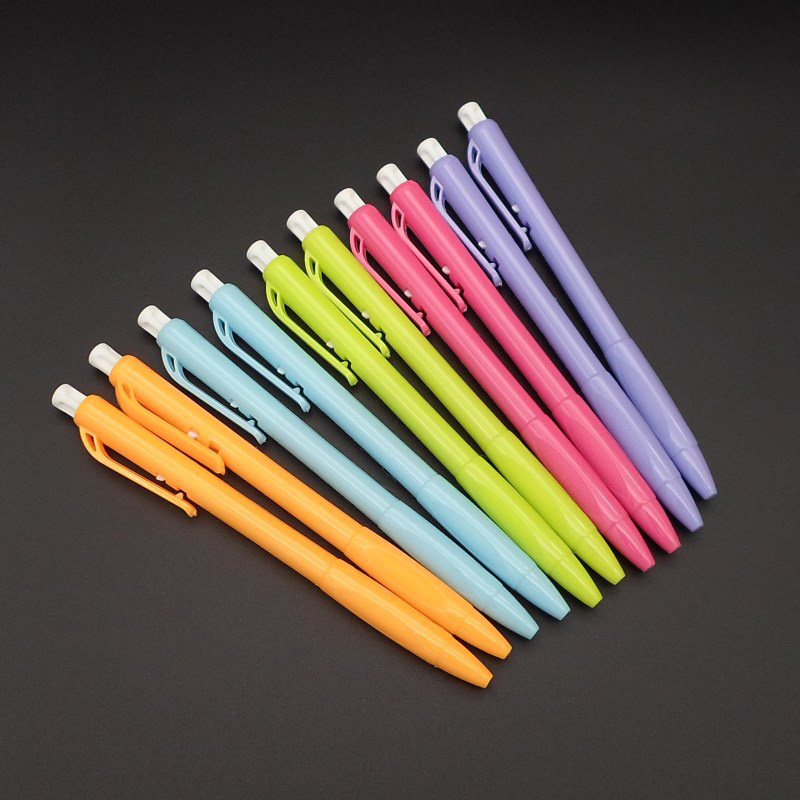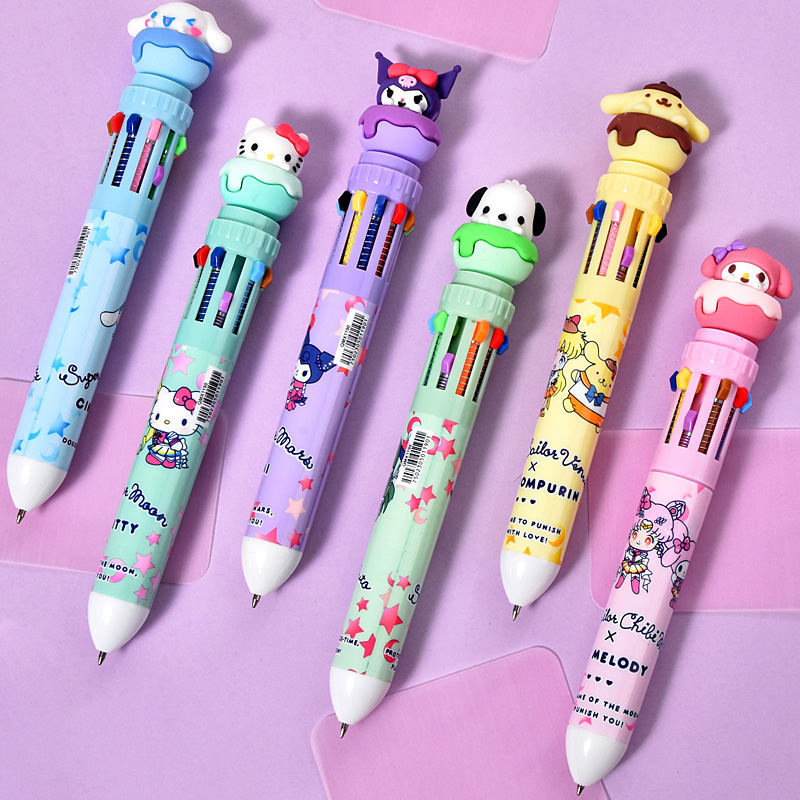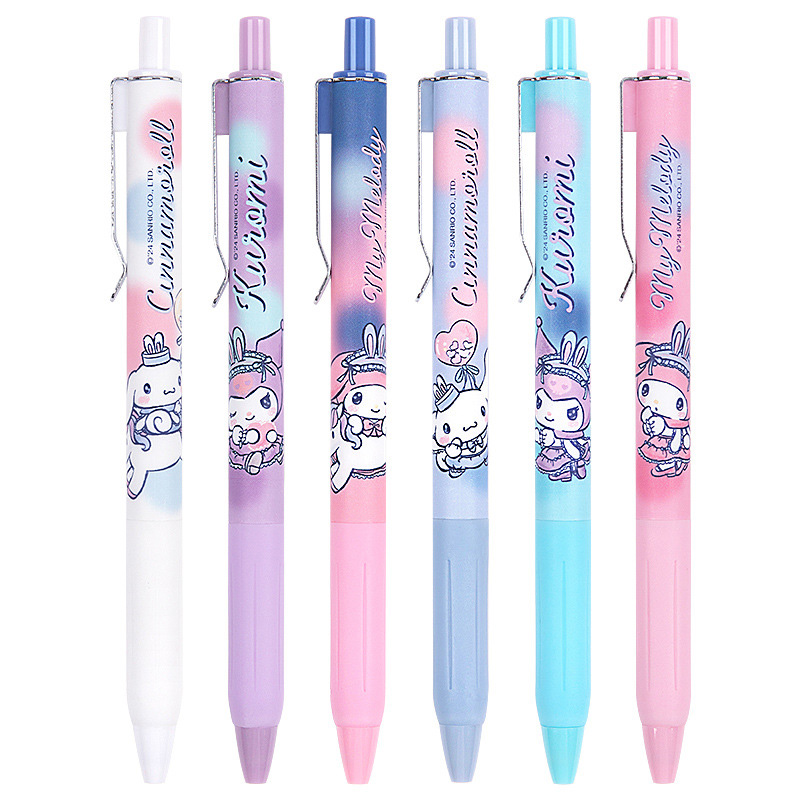
High quality whiteboard markers continue to play a steady role in offices, classrooms, and shared workspaces. Teams rely on clear writing surfaces during discussions, planning sessions, and training activities. The demand for reliable writing tools remains consistent as hybrid schedules and in-person collaboration both stay active.
Many organizations look for options that deliver smooth ink flow and readable lines without frequent interruptions. High quality whiteboard markers meet this need by offering consistent performance across different board surfaces. Users notice fewer skips and cleaner erasures when the markers match the surface type and the room conditions.
In meeting rooms, high quality whiteboard markers help teams capture ideas quickly. Participants can sketch diagrams, list action items, or outline project steps without pausing to find a working pen. The same tools appear in training centers where instructors write key points for groups of different sizes. Visibility from the back of the room depends on bold, even strokes that hold up under standard lighting.
Shared workspaces also benefit. Colleagues often rotate through the same boards during the day. High quality whiteboard markers reduce the chance of faint or uneven lines that make notes harder to follow later. This practical reliability supports smoother handovers between shifts or teams.
The construction of these markers focuses on balance and control. A comfortable barrel allows longer writing sessions without hand fatigue. Tips come in varied shapes so users can switch between fine notes and broader headings. Ink formulas aim for steady coverage that dries at a pace suited to typical indoor humidity levels.
High quality whiteboard markers often feature low-odor formulations that keep the air comfortable during extended sessions. Caps fit securely to limit drying when the tools sit unused for short periods. These details add up to fewer replacements and less disruption during busy periods.
Whiteboard surfaces vary. Some boards have smoother coatings while others show more texture after months of use. High quality whiteboard markers perform across a range of these surfaces when the tip and ink align with the board’s finish. Testing a few strokes before a full session helps confirm the match.
In larger conference areas, broader tips create headings that remain legible from farther away. Finer tips suit detailed lists or smaller boards in individual offices. Selecting the right combination keeps information organized and easy to reference.
Storage and accessibility matter in active environments. Keeping high quality whiteboard markers in designated holders near the boards reduces search time. Color coding can further organize information—blue for process steps, black for main points, and additional shades for categories. Teams that standardize these habits spend less time clarifying notes after meetings.
Replacement cycles stay predictable when the markers maintain consistent output. Users can track usage patterns and restock before shortages appear. This approach supports uninterrupted collaboration without last-minute shortages.
High quality whiteboard markers also appear in educational settings where instructors move between rooms. Portable cases or simple organizers keep sets together and ready for the next class. The focus remains on clear communication rather than complex features.
 Lanxi Economic Development Zone, Jinhua, Zhejiang (No. 30, Qiuling Road, Lanjiang Street)
 +86-13806548080
 [email protected]
Copyright © Zhejiang Wenao Stationery Co., Ltd. All Rights Reserved.
Writing Pens and Refills Factory


 English
 中文简体
中文简体 русский
 Français