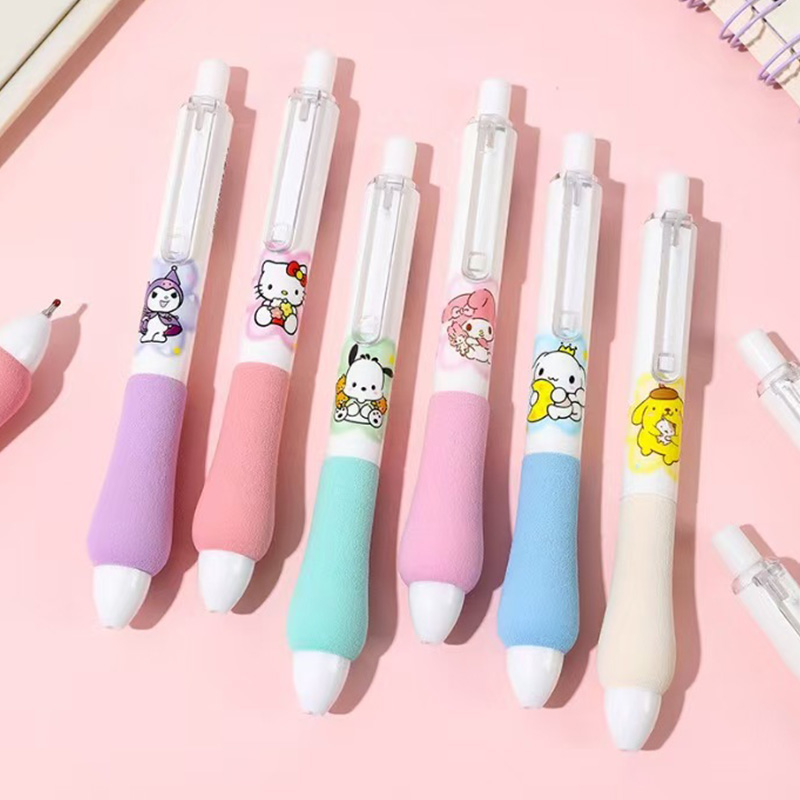
Writing instruments depend on a reliable ink delivery system. Ballpoint Pen Refill Suppliers provide the tubular cartridges that carry ink from the reservoir to the writing tip. Pen manufacturers and assemblers rely on these components to complete finished products that perform consistently across different writing surfaces and user habits.
A standard refill consists of a thin-walled tube, a ballpoint tip assembly, and a trailing plug or follower. The tube holds the ink and is usually made from metal or plastic. One end receives the tip unit, while the other is sealed or fitted with a plug that moves forward as ink is consumed.
The tip contains a small precision ball seated in a socket. As the ball rolls across paper, it transfers a thin film of ink. Capillary action and the slight pressure of writing keep the ink flowing without flooding or skipping. Dimensions of the tube and tip must match the internal space of the pen barrel so that the refill seats correctly and the writing point extends to the proper length.
Ink formulation influences both writing feel and drying behavior. Oil-based or hybrid inks remain common because they resist drying inside the tube yet dry reasonably quickly on paper. Viscosity is balanced so the ink coats the ball evenly without leaking when the pen is stored tip-down or tip-up.
Tip design affects line width and smoothness. Ball diameters typically range from fine to medium, with corresponding socket geometries that control ink release. Some tips incorporate tungsten carbide or other hard materials to maintain shape through extended use. The interface between ink and tip determines whether the refill produces a clean line or leaves excess residue on the page.
Metal tubes, often brass or stainless steel, offer rigidity and a classic appearance. Plastic tubes reduce weight and allow color coding or transparent sections that show remaining ink volume. The choice depends on the target pen style and cost structure of the finished product.
Tip housings may be nickel-plated, stainless, or coated for corrosion resistance. Springs, if present in click-style mechanisms, are selected for consistent force over many actuation cycles. Ballpoint Pen Refill Suppliers prepare these combinations in standard lengths and diameters that fit widely used pen platforms, as well as in custom sizes for proprietary designs.
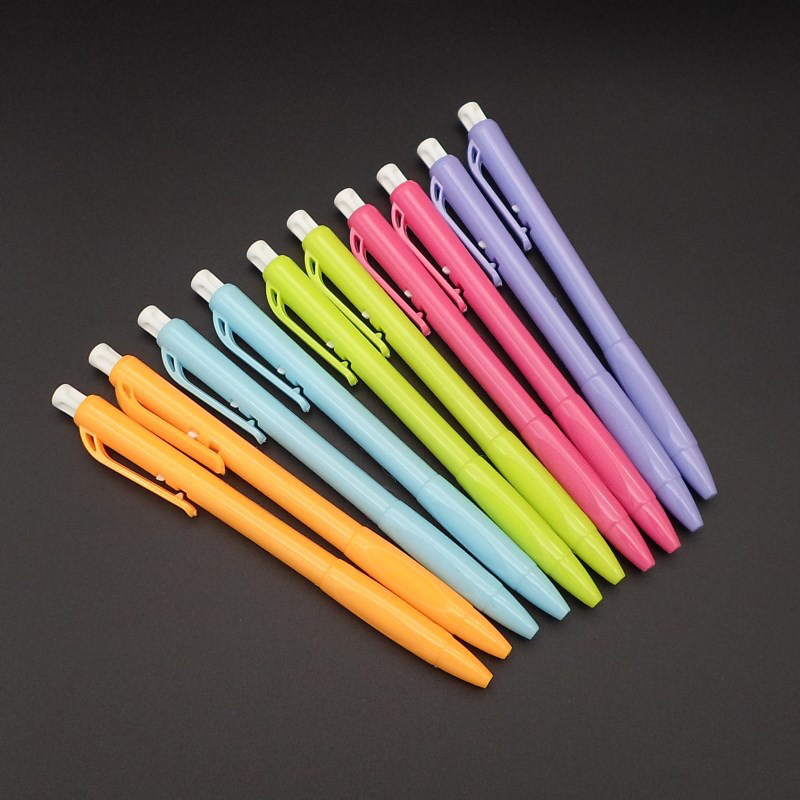
Refills must align with the mechanical features of the pen. Retractable pens require a refill length and tip projection that engage the click or twist mechanism correctly. Cap-style pens need a refill that sits securely without rattling. Some designs use a universal cartridge format, while others demand exact dimensional matches.
Manufacturers testing new pen models often request sample batches from Ballpoint Pen Refill Suppliers to verify fit, ink flow, and writing performance before committing to larger volumes. Consistent tube diameter, tip concentricity, and overall length reduce assembly rejects and improve the feel of the finished writing instrument.
Ballpoint Pen Refill Suppliers contribute a functional core component that determines how a finished pen deposits ink on paper. Attention to tube materials, tip precision, and dimensional compatibility allows pen makers to assemble reliable writing tools. Clear communication of length, diameter, ink type, and volume requirements helps align the refill with the intended pen design and production schedule.
 Lanxi Economic Development Zone, Jinhua, Zhejiang (No. 30, Qiuling Road, Lanjiang Street)
 +86-13806548080
 [email protected]
Copyright © Zhejiang Wenao Stationery Co., Ltd. All Rights Reserved.
Writing Pens and Refills Factory


 English
 中文简体
 русский
 Français