A pen may be a small office item, but its design can influence how people experience everyday writing. Metal ball point pens combine a solid outer body with a familiar writing mechanism, making them suitable for offices, business events, promotional campaigns, and corporate gift programs.
Unlike plastic models, metal pens often feature aluminum, stainless steel, brass, or other metal components. These materials offer different surface finishes, weights, and visual styles. Some designs have a slim profile for everyday note-taking, while others feature a heavier body and decorative details for business gifts.
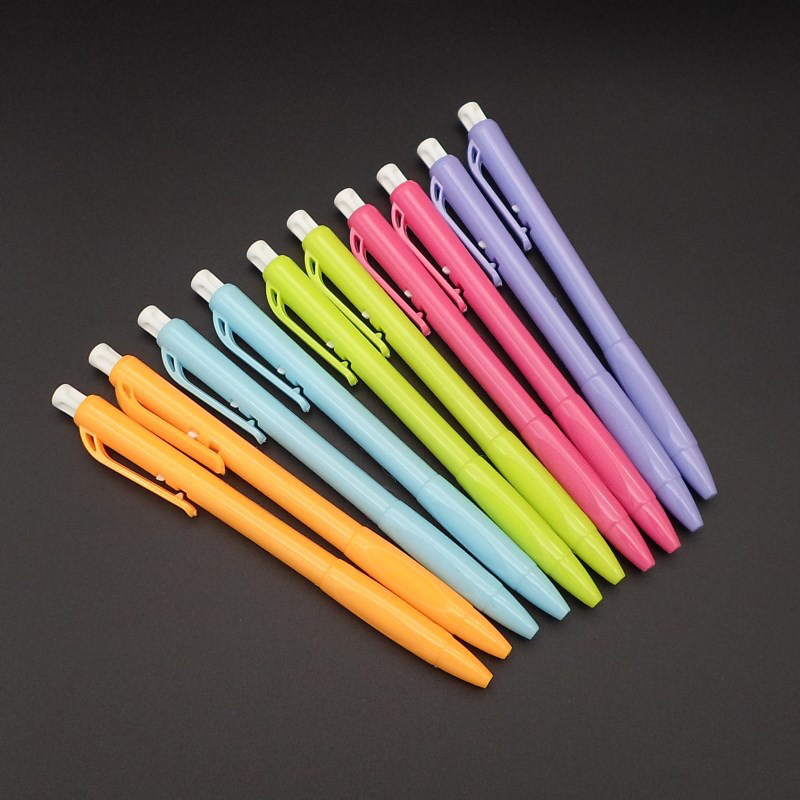
For stationery distributors, promotional product suppliers, and corporate purchasing teams, Metal ball point pens provide a flexible product category. Buyers can select different body colors, clip designs, packaging options, and branding methods to match a company's identity or an event's requirements.
The writing mechanism is a key part of every ball point pen. At the tip, a small rotating ball transfers ink from the refill onto paper as the user writes. The ball moves within a precisely shaped socket, allowing ink to flow while helping control the amount deposited on the writing surface.
The refill typically contains an ink reservoir and a writing tip. Depending on the design, the pen may use a push-button mechanism, a twist mechanism, or a cap. Each option offers a different way to extend or protect the writing tip.
When evaluating Metal ball point pens, buyers should consider the refill type, ink color, tip size, and replacement availability. These details affect how the product suits daily office work, event distribution, or gift packaging.
The outer body also contributes to the writing experience. Its diameter, length, surface texture, and weight influence how the pen feels in the hand. A balanced design can make the pen comfortable for taking notes during meetings or completing routine paperwork.
Metal pens are available in several material combinations, depending on the intended design and production requirements.
Aluminum is commonly used for lightweight pen bodies. It can be machined or formed into different shapes and finished in a range of colors. Stainless steel offers a distinct metallic appearance and is often used in contemporary stationery designs.
Brass may be selected for pens with a substantial feel or a more traditional appearance. Some products combine a metal barrel with plastic internal components, allowing manufacturers to balance appearance, writing function, and production requirements.
Surface treatments also influence the final look. Matte finishes create a subdued appearance, while polished surfaces reflect more light. Brushed textures add visible lines to the metal surface, and colored coatings allow pens to match corporate brand colors.
For wholesale orders, consistency in color, finish, and component appearance is important when a batch will be distributed across multiple offices or used in a coordinated promotional campaign.
Different customer groups have different expectations for stationery products. Office supply distributors may focus on writing comfort, refill availability, and practical packaging. Promotional merchandise companies may pay greater attention to logo placement, body color, and delivery quantities.
Gift suppliers often consider the relationship between the pen and its packaging. A metal pen presented in an individual box may suit business gifts, employee recognition programs, or conference packages. Multi-piece sets can combine pens with notebooks or other office accessories.
Product dimensions and packaging also affect storage and distribution. Buyers supplying several sales channels may prefer a range of styles that covers everyday office use, event giveaways, and gift-oriented orders.
 Lanxi Economic Development Zone, Jinhua, Zhejiang (No. 30, Qiuling Road, Lanjiang Street)
 +86-13806548080
 [email protected]
Copyright © Zhejiang Wenao Stationery Co., Ltd. All Rights Reserved.
Writing Pens and Refills Factory


 English
 中文简体
 русский
 Français