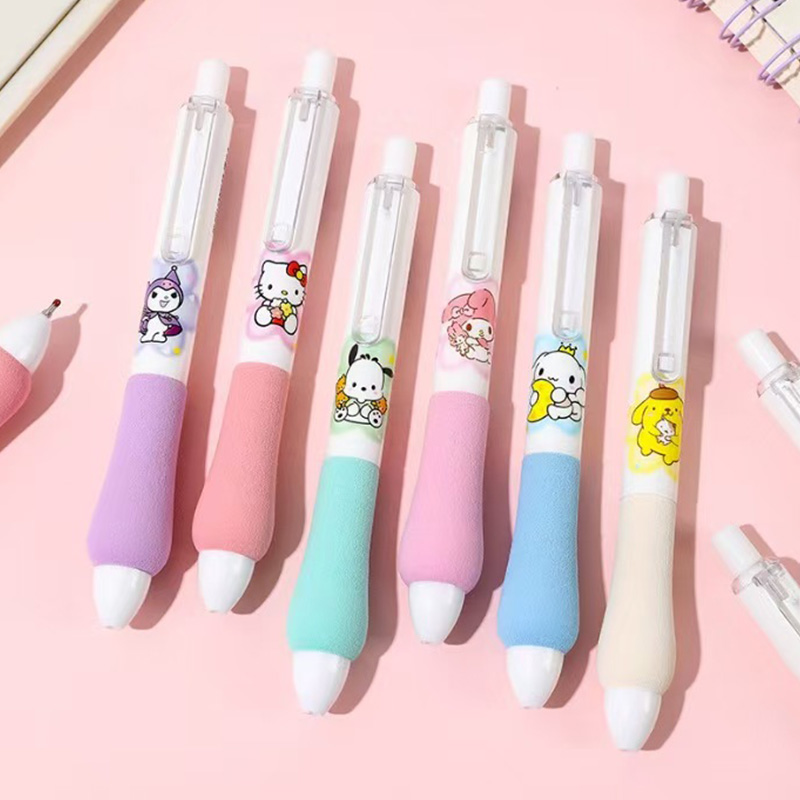
The central work of a highlighter factory revolves around producing markers that deliver clear, even color. Teams focus on forming the barrel, preparing the ink reservoir, shaping the tip, and bringing the parts together. Each finished highlighter needs to write smoothly and maintain a consistent line.
Workers and machines operate in coordinated zones. One section prepares plastic components. Another mixes and fills ink. Assembly lines join the pieces, and a final area checks that each unit functions as intended. The overall rhythm supports steady production of markers in different colors and tip styles.
Production starts with the creation of the outer barrel. Plastic is molded into the familiar tubular shape that fits comfortably in the hand. Caps are formed at the same time to protect the tip when the marker is not in use.
Next comes the ink system. A porous reservoir is inserted into the barrel and saturated with translucent ink. The writing tip, often made from fiber or felt, is then fitted so it draws ink evenly. Once assembled, each highlighter passes through a simple writing test to confirm the ink flows without skipping.
Highlighter factories commonly work with durable plastics for barrels and caps. These materials keep the markers lightweight while protecting the ink inside. The tip uses absorbent fibers that hold and release ink in a controlled manner.
Ink formulas rely on dyes that produce bright yet see-through colors. Yellow, pink, green, and blue appear frequently because they contrast well with black text. The combination of plastic, fiber, and ink creates a tool that remains reliable through regular use in notebooks and documents.
Factories produce highlighters in several tip shapes to suit different preferences. Chisel tips allow both broad strokes and finer lines depending on the angle. Bullet tips create consistent rounded marks. Some versions feature dual tips for added flexibility.
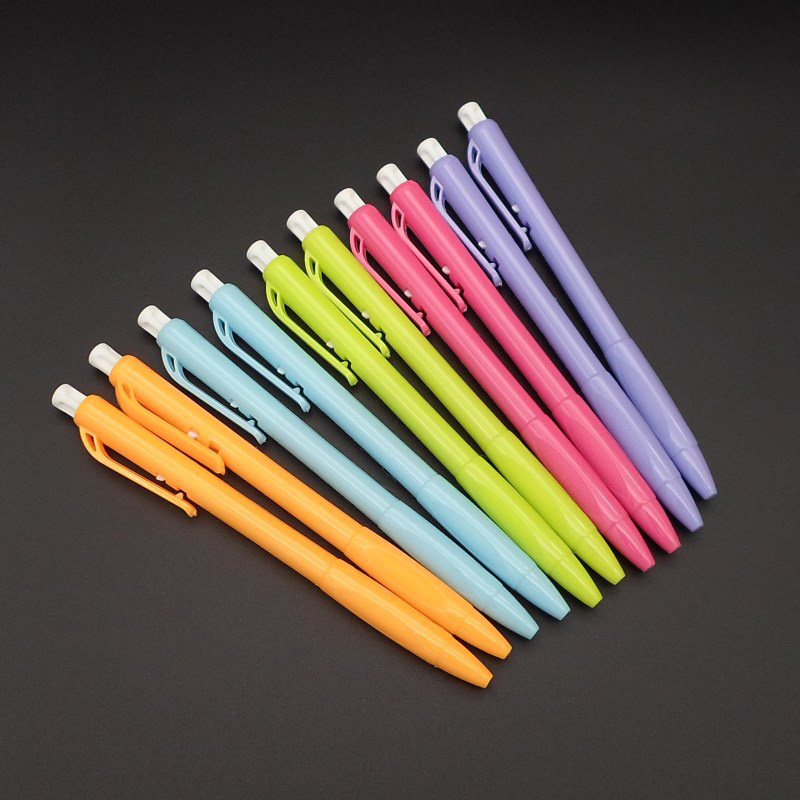
Color selection forms another layer of variety. Standard bright shades cover everyday highlighting needs. Additional options expand the range for color-coding notes or creative projects. Barrel designs may include simple solid colors or subtle grips that improve handling during long study or work sessions.
Highlighters leaving the factory often end up in classrooms, offices, and home study spaces. Students use them to mark key passages in textbooks. Office workers apply them to reports and meeting notes. Readers rely on them to flag important sentences in articles or books.
The translucent ink keeps original text readable while adding a layer of visual emphasis. Different colors support simple organization systems, such as assigning one shade to main ideas and another to supporting details. The compact size makes highlighters easy to carry in pencil cases or desk drawers.
Each highlighter requires careful alignment of its internal parts. The reservoir must sit firmly so ink reaches the tip without leakage. The tip itself needs secure placement to stay in position during use. Caps are checked to ensure they seal properly and prevent the ink from drying.
These small steps add up to markers that perform reliably on paper. Factory teams focus on repeatable methods that support uniform results across large batches. The emphasis stays on practical function and ease of use for the people who will later pick up the finished highlighters.
A highlighter factory turns straightforward materials into tools that help people organize information and draw attention to important words. Through structured production steps, material selection, and coordinated teamwork, the factory supplies markers that fit naturally into study desks, office drawers, and daily note-taking routines.
 Lanxi Economic Development Zone, Jinhua, Zhejiang (No. 30, Qiuling Road, Lanjiang Street)
 +86-13806548080
 [email protected]
Copyright © Zhejiang Wenao Stationery Co., Ltd. All Rights Reserved.
Writing Pens and Refills Factory


 English
 中文简体
中文简体 русский
 Français