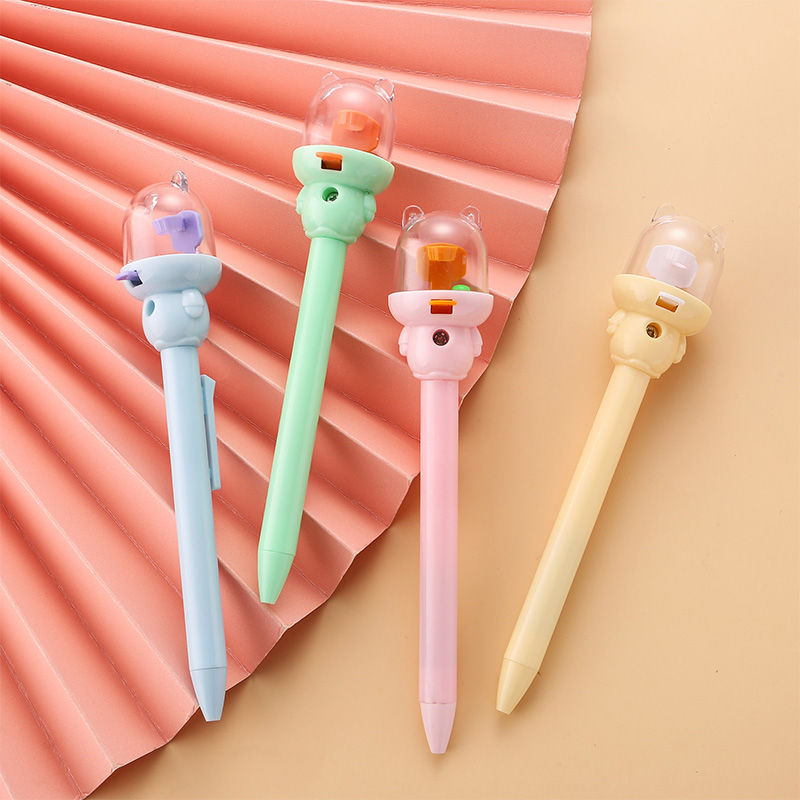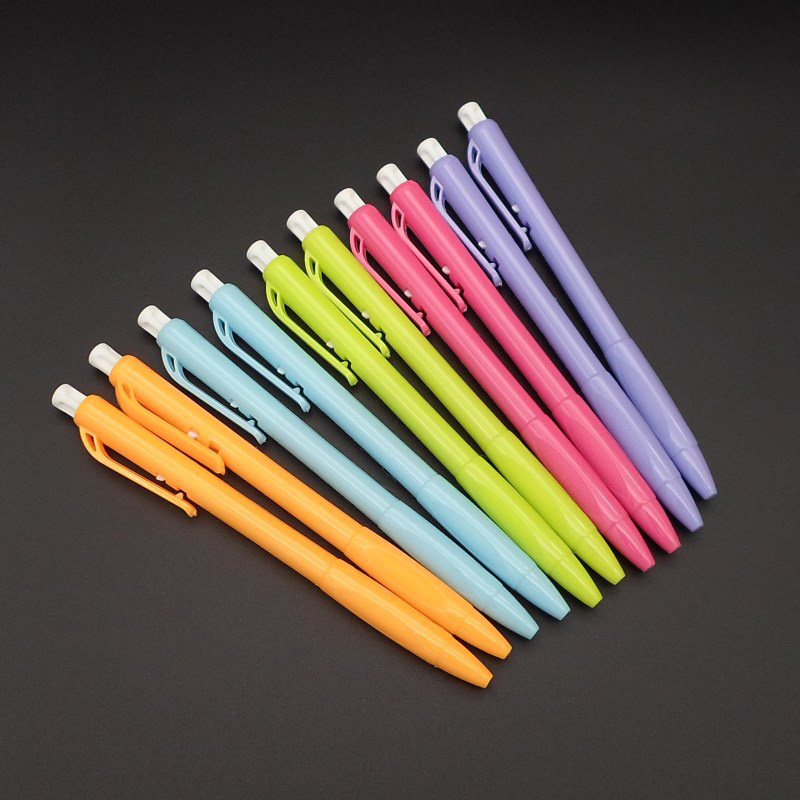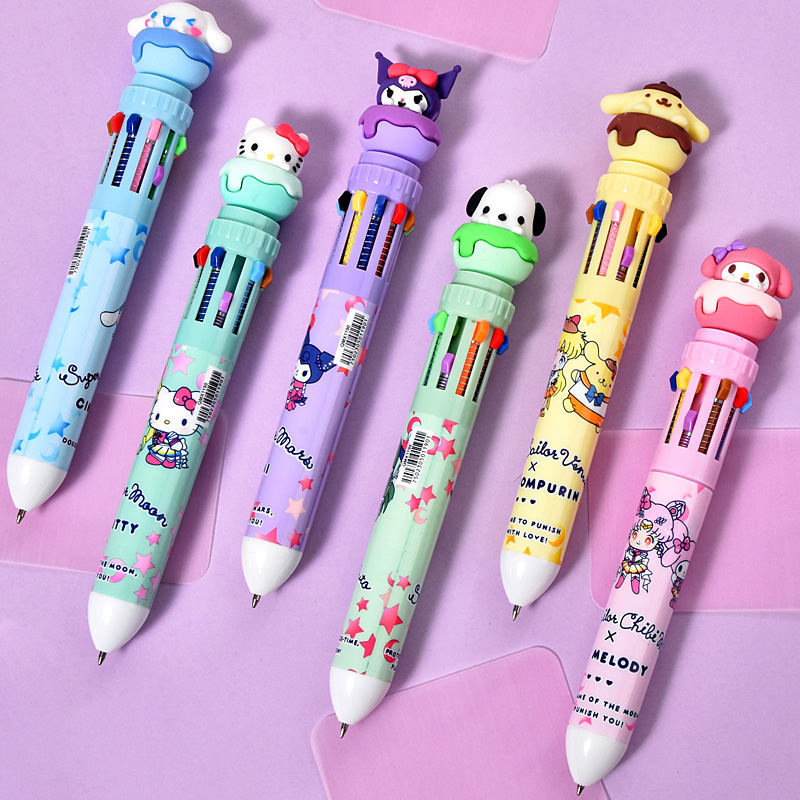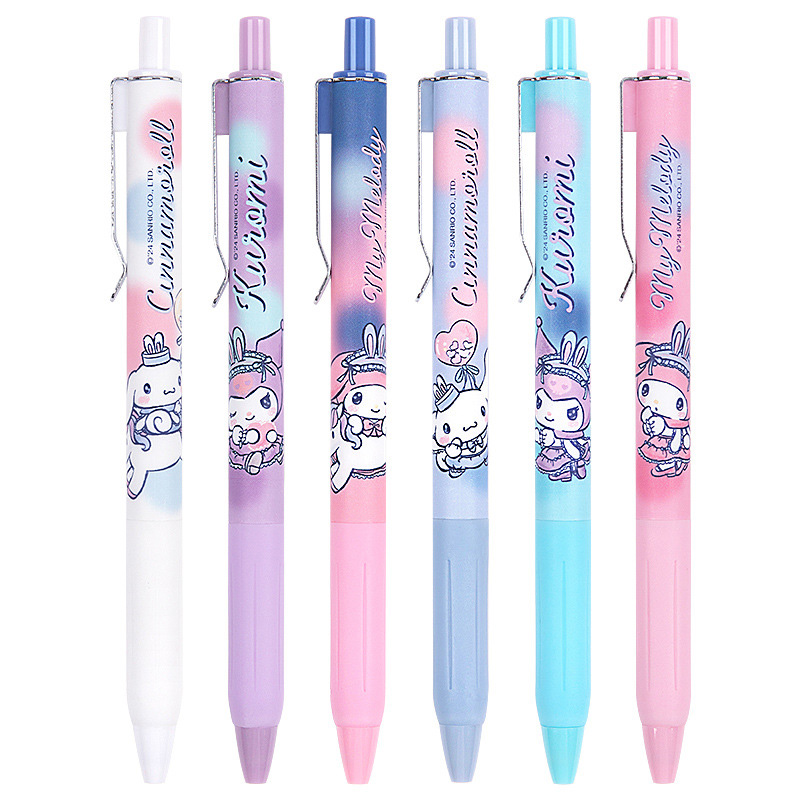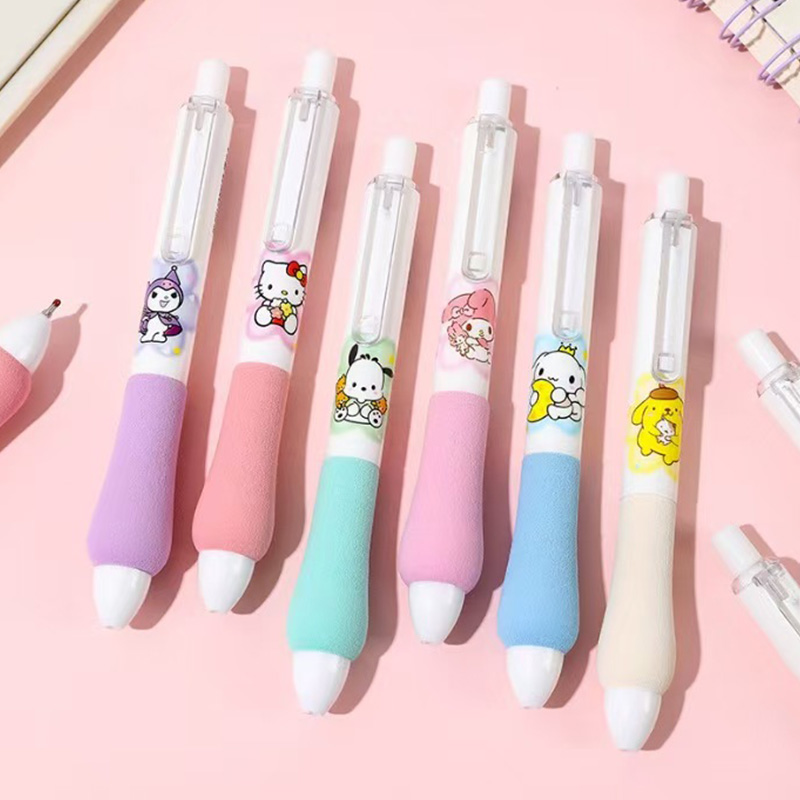
Ball point pens remain one of the most common writing tools found in homes, schools, and offices around the world. Despite the rise of digital devices, people still reach for a pen when signing documents, jotting notes, or filling out forms. Quality ball point pens continue to hold their place because they offer a simple, reliable way to put ideas on paper without much thought or effort.
At its core, a ball point pen works through a small rotating ball housed at the tip of the writing instrument. As the ball turns against the paper, it picks up ink from an internal reservoir and deposits a thin, even line. This mechanism has stayed largely unchanged for decades, though manufacturers have refined tolerances and materials to reduce skipping and smudging. A [ball diameter] range is often used depending on whether the pen is meant for fine handwriting or bolder strokes.
The ink used inside quality ball point pens is typically oil-based, giving it a thicker consistency compared to gel or liquid ink pens. This thickness helps prevent leaking and allows the ink to dry quickly on the page, which is useful for people who write with their left hand or need to avoid smudges. Some manufacturers adjust the [viscosity level] of their ink to balance smoothness with control, since ink that flows too freely can bleed through thinner paper.
Comfort plays a noticeable role in how long someone can write without fatigue. Many pens feature a textured or contoured grip section made from rubber or soft plastic, positioned where the fingers naturally rest. The barrel shape also matters — a hexagonal or triangular profile can prevent the pen from rolling off a desk, while a rounder shape often feels more natural in the hand during extended writing sessions like note-taking in meetings or classrooms.
Quality ball point pens show up in a wide range of daily situations. In office environments, they're used for signing contracts, filling out expense reports, or leaving quick notes on a colleague's desk. In schools, students rely on them for homework, exams, and journaling. Retail settings often keep a supply near checkout counters for customers signing receipts. Because they don't require special storage or handling, these pens travel easily in bags, pockets, or drawers without much concern.
Not every pen suits every hand. Some people prefer a finer tip, often around [tip width in millimeters], for detailed writing or small handwriting, while others favor a broader tip for faster, looser strokes. The weight of the pen also influences comfort — lighter plastic barrels feel effortless for quick notes, while heavier metal-bodied pens can feel more substantial during longer writing tasks like letter writing or planning journals.
The outer body of a ball point pen is commonly made from plastic, though metal barrels appear in more refined designs. Internally, the ink cartridge is usually housed in a plastic tube that connects directly to the ball tip. Manufacturers sometimes experiment with recycled or alternative materials for the barrel, aiming to reduce plastic use without changing how the pen performs on paper.
 Lanxi Economic Development Zone, Jinhua, Zhejiang (No. 30, Qiuling Road, Lanjiang Street)
 +86-13806548080
 [email protected]
Copyright © Zhejiang Wenao Stationery Co., Ltd. All Rights Reserved.
Writing Pens and Refills Factory


 English
 中文简体
中文简体 русский
 Français