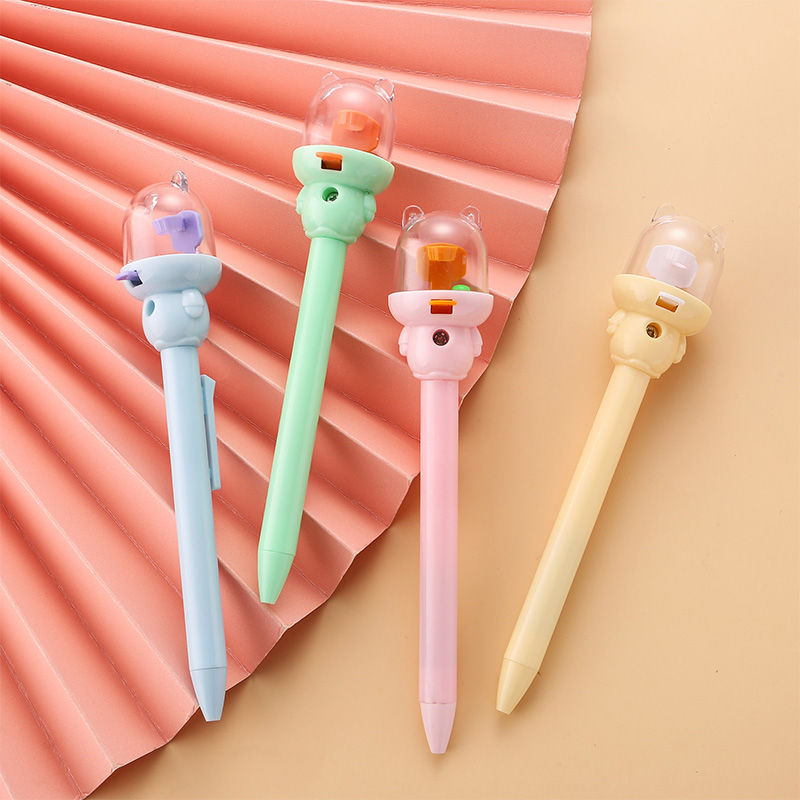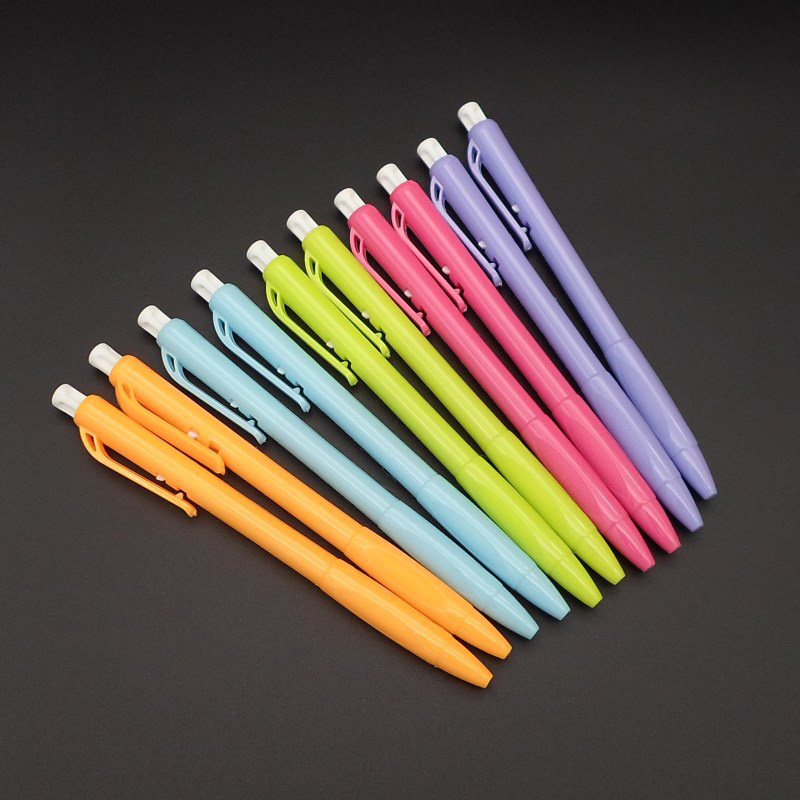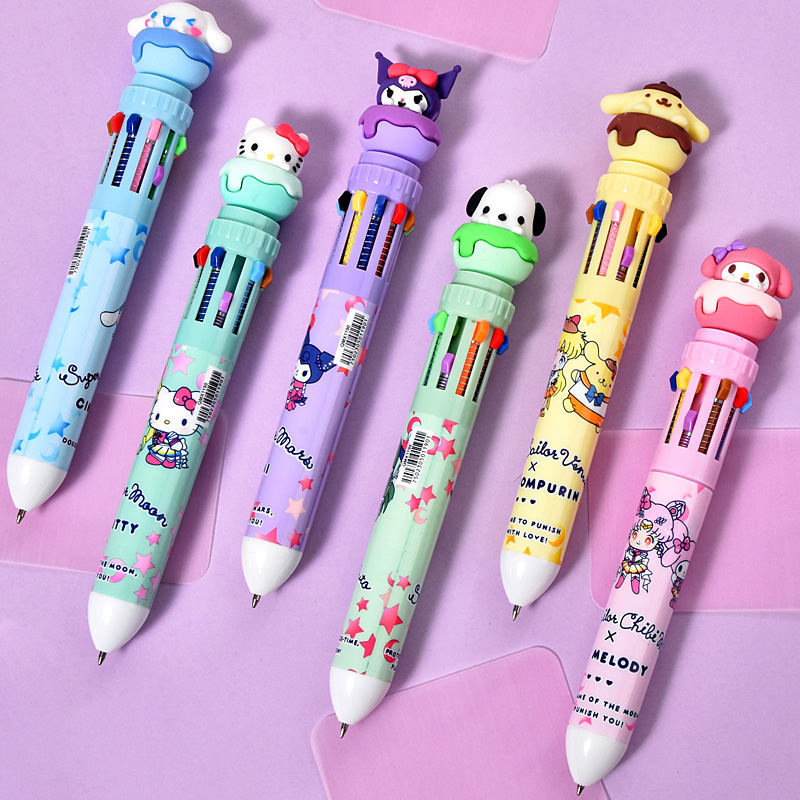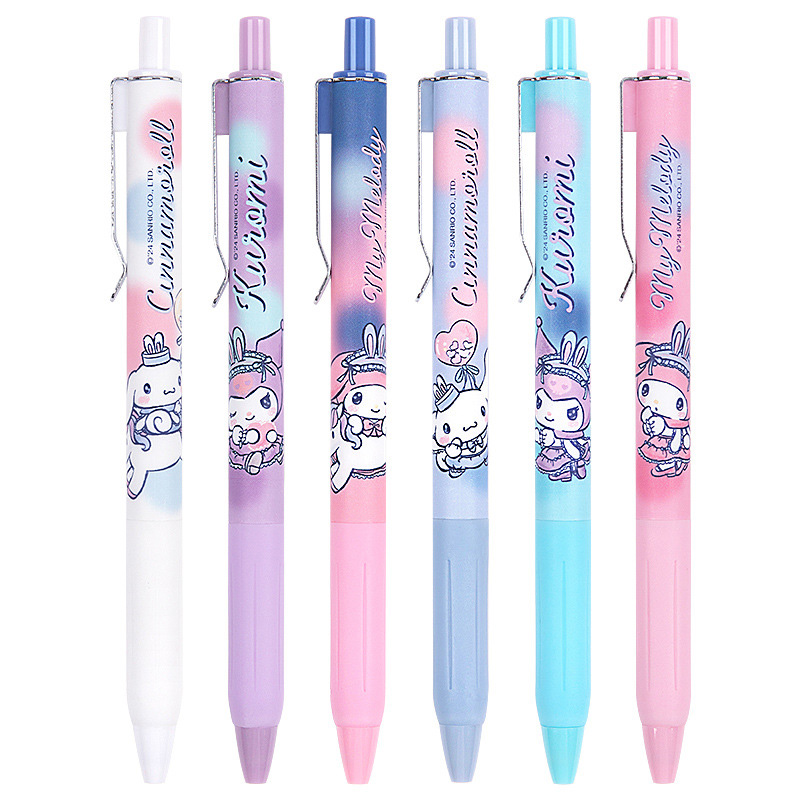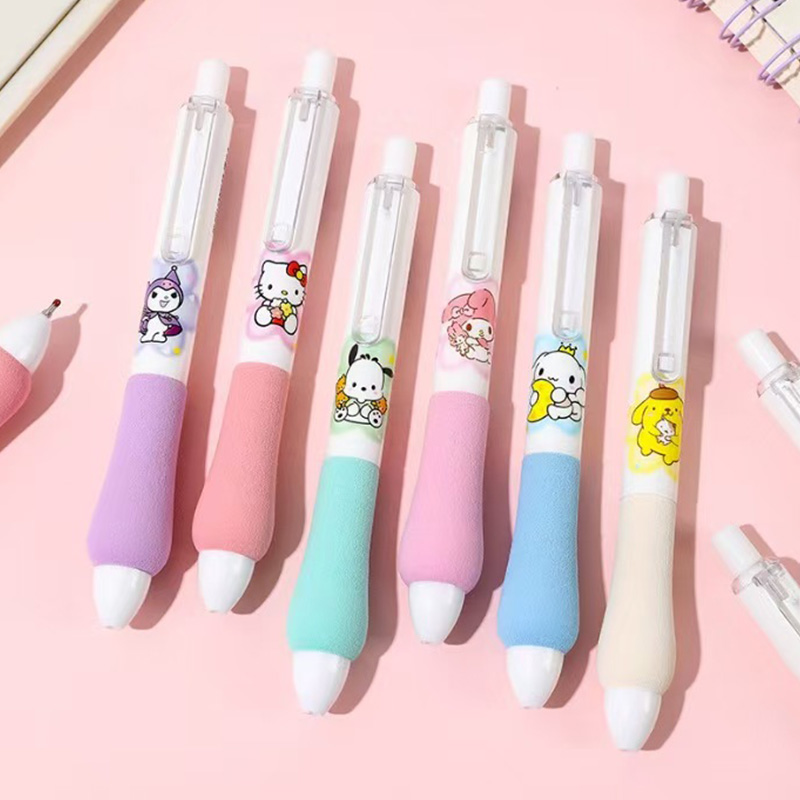
Highlighter factories specialize in creating markers designed for visibility and smooth writing. Manufacturing processes combine precision engineering, high-quality ink formulation, and ergonomic design. Factories produce various models including fluorescent, pastel, and dual-tip highlighters. Advanced machinery ensures consistent ink flow and color vibrancy. Assembly lines integrate quality checks at each stage, verifying that tips are aligned, barrels are sealed, and ink is free from impurities. Some factories also introduce modular production techniques, allowing rapid changes between highlighter types and colors without compromising consistency. This flexibility supports both bulk orders for schools and offices, and smaller, specialized shipments for professional or artistic markets.
The materials used in a highlighter factory affect product durability and performance. Plastic barrels are commonly employed for lightweight handling, while non-toxic, water-based inks cater to safety requirements. Factory engineers experiment with tip shapes, from chisel to bullet, to achieve versatile marking capabilities. Packaging design also receives attention, including multi-color packs and reusable containers. Factories increasingly use recycled plastics or biodegradable materials in response to environmental awareness, offering sustainable alternatives without reducing quality. Ergonomic grips, clear ink windows, and ink longevity also contribute to consumer preference, influencing factory design decisions and production costs. Precise manufacturing tolerances, quality control inspections, and advanced filling techniques ensure consistent ink flow and prevent leakage, enhancing overall reliability and customer satisfaction.
Quality assurance is central to highlighter factory operations. Ink consistency, color accuracy, and tip durability are tested repeatedly. Factories employ both automated systems and manual inspections to detect defects. Sampling methods evaluate performance under different writing pressures and surfaces. Rigorous quality control ensures that each highlighter delivers reliable performance for students, office professionals, and creative users alike. Additional testing may include drop tests, exposure to heat, and long-term ink stability trials. Factories often maintain detailed records of production batches, helping trace any inconsistencies and reinforcing confidence in the brand’s products. Factories may conduct ergonomic evaluations, packaging integrity checks, and environmental impact assessments, ensuring that products meet both consumer expectations and sustainability standards consistently.
Highlighter factories supply products to wholesale distributors, retail chains, and online marketplaces. Efficient logistics are essential for meeting global demand and maintaining brand reputation. Factories coordinate production schedules, inventory management, and shipping to ensure timely availability. Regional regulations, safety standards, and import requirements influence factory operations and distribution strategies, demonstrating the complexity of large-scale highlighter production. Some factories also engage in direct-to-consumer sales online, allowing buyers to access exclusive color sets or promotional bundles, which adds another layer to their distribution strategy.
Innovation in a highlighter factory is reflected in new ink formulas, ergonomic designs, and packaging solutions. Customization for corporate branding or promotional purposes allows factories to differentiate their offerings. Consumer preferences, including color variety and environmental friendliness, guide product development. By balancing efficiency with creativity, highlighter factories deliver products that meet diverse market needs while maintaining consistent quality. Collaborations with designers or limited edition sets provide additional marketing leverage, reinforcing brand identity while appealing to collectors and enthusiasts. Continuous experimentation ensures that factories remain competitive in an increasingly crowded market.
 Lanxi Economic Development Zone, Jinhua, Zhejiang (No. 30, Qiuling Road, Lanjiang Street)
 +86-13806548080
 [email protected]
Copyright © Zhejiang Wenao Stationery Co., Ltd. All Rights Reserved.
Writing Pens and Refills Factory


 English
 中文简体
中文简体 русский
 Français