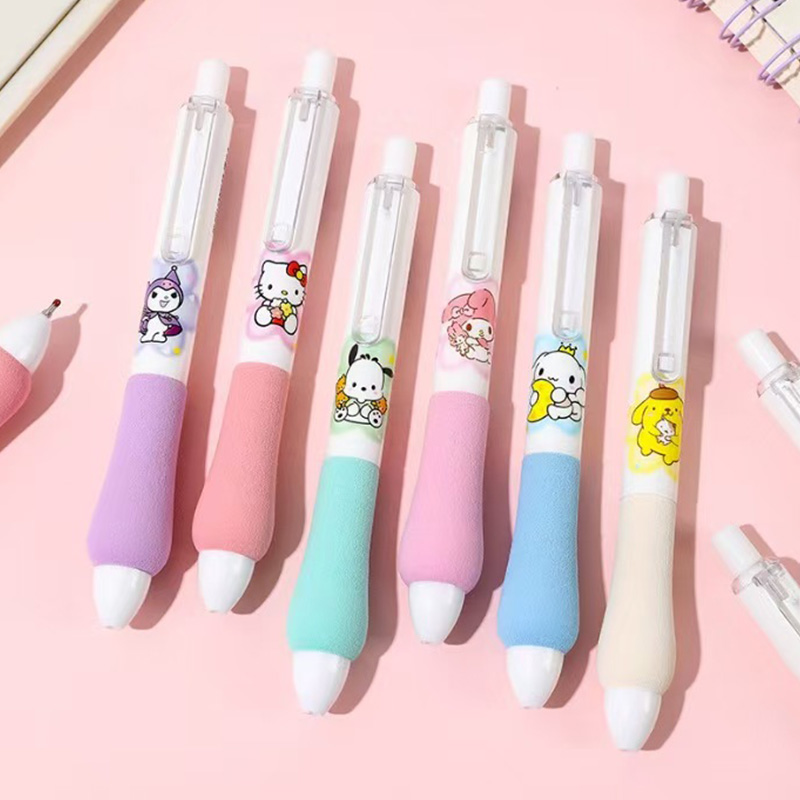
Watercolor pens have become essential tools for artists and hobbyists, blending precision and creativity in a portable form. The market reflects a wide range of prices, influenced by brand reputation, materials, and ink quality. Consumers often compare different brands to evaluate cost-effectiveness. Higher-priced pens typically feature vibrant pigments, long-lasting ink, and ergonomic designs. Meanwhile, mid-range and budget-friendly options appeal to students or casual users. Understanding how watercolor pen price is determined helps buyers make informed decisions in a competitive market.
The composition of watercolor pens plays a major role in determining price. Premium pens often use acid-free pigments, smooth-flowing ink, and durable barrels. The precision engineering of tips ensures consistent lines, whether applied on thick watercolor paper or smooth sketchpads. Manufacturing processes such as automated filling, tip alignment, and quality inspection contribute to production costs. Brands that prioritize eco-friendly materials or refillable designs may also reflect slightly higher prices due to sustainable sourcing and specialized processes. Some manufacturers invest in proprietary ink formulations that resist fading over time or maintain color vibrancy, adding value to their products. Hand-finished or carefully inspected tips further justify higher price points, highlighting the intricate craftsmanship behind certain premium watercolor pens.
Distribution channels, from online stores to brick-and-mortar art supply shops, affect watercolor pen price. Retailers often add markup to cover operational costs, including shipping and inventory. Exclusive releases or limited editions may command higher prices due to rarity and brand appeal. Consumer perception also plays a role; buyers associate price with quality, durability, and reliability. Demonstrations and in-store testing allow artists to evaluate whether the pen’s performance aligns with its cost. In some cases, subscription services or artist toolkits bundle watercolor pens with sketchbooks and accessories, slightly raising overall expenditure but providing greater perceived value. The reputation of a store or distributor can also influence buyer confidence, making price comparisons more complex across different retail environments.
Watercolor pen price can vary depending on region and season. Supply chain fluctuations, import duties, and local demand influence costs in different markets. Seasonal promotions or art fairs may temporarily lower prices, offering an opportunity for collectors or educators to stock supplies affordably. Meanwhile, some specialty pens retain stable pricing due to consistent global demand. Regional preferences, such as demand for certain colors or brush tip types, also affect availability and pricing. Online marketplaces allow buyers to access global options, but shipping and customs fees can add to the total cost, further highlighting regional disparities in watercolor pen price.
User reviews and community feedback impact perceptions of watercolor pen price. Experienced artists often share insights on color intensity, blending performance, and tip durability, guiding others toward reasonable purchases. Brands with strong reputations maintain price stability, while newcomers may adjust pricing to attract attention. Ultimately, watercolor pen price reflects not only production costs but also the perceived value and artistic experience delivered to the user. Communities of artists, whether online or in local workshops, influence market trends by exchanging opinions and comparing the performance of pens, indirectly shaping pricing strategies across brands.
 Lanxi Economic Development Zone, Jinhua, Zhejiang (No. 30, Qiuling Road, Lanjiang Street)
 +86-13806548080
 [email protected]
Copyright © Zhejiang Wenao Stationery Co., Ltd. All Rights Reserved.
Writing Pens and Refills Factory


 English
 中文简体
中文简体 русский
 Français