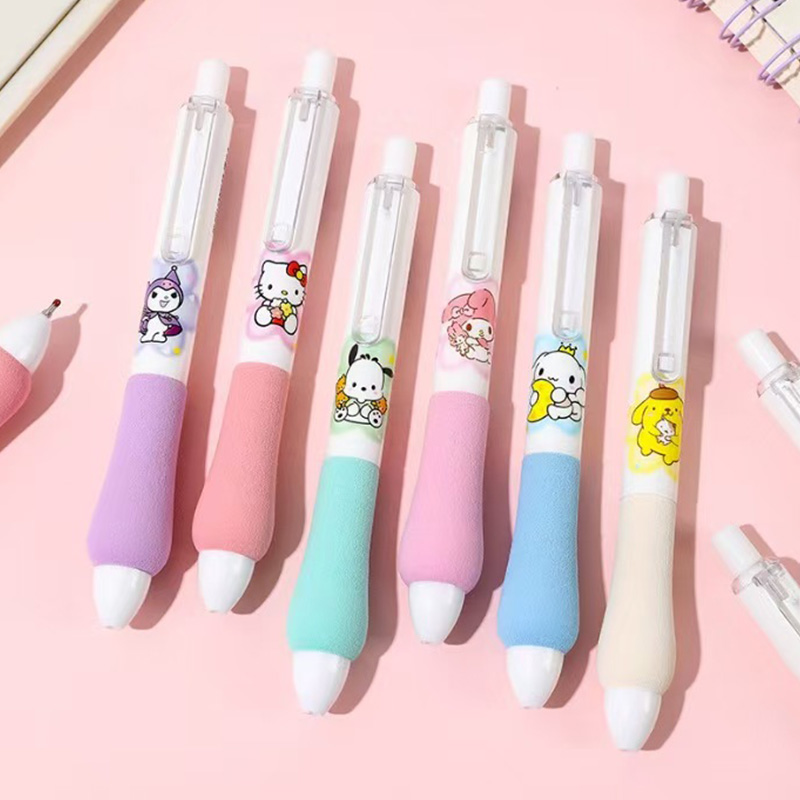
Pencil manufacturers play a steady role in producing writing tools that people use in schools, offices, and homes every day. These companies turn simple materials into reliable pencils that support note-taking, drawing, and everyday tasks. From graphite cores to wooden casings, the work of pencil manufacturers combines traditional methods with practical production steps that keep the process efficient and consistent.
Pencil manufacturers start with carefully selected raw materials. Graphite forms the core that leaves marks on paper. Clay mixes with the graphite to control hardness levels, giving users options from soft for shading to harder for fine lines. Wood, often cedar or similar softwoods, provides the outer casing because it cuts cleanly and holds the core securely. Additional elements such as ferrules made of metal and erasers made of rubber complete many standard designs. Factories receive these materials in bulk and prepare them through grinding, mixing, and shaping stages before assembly begins.
The manufacturing process follows a clear sequence. Workers first mix powdered graphite with clay and water to create a paste. Machines extrude this mixture into long, thin rods that dry and bake at controlled temperatures. These rods become the pencil cores. At the same time, wood blocks are cut into thin slats. Grooves are milled into the slats so the cores fit neatly inside. Once the cores sit in place, another set of slats covers them, and glue binds everything together. The resulting boards then pass through cutting machines that separate individual pencils. Shaping tools give each pencil its familiar hexagonal or round form, followed by painting, stamping of grade marks, and attachment of metal bands and erasers when required.
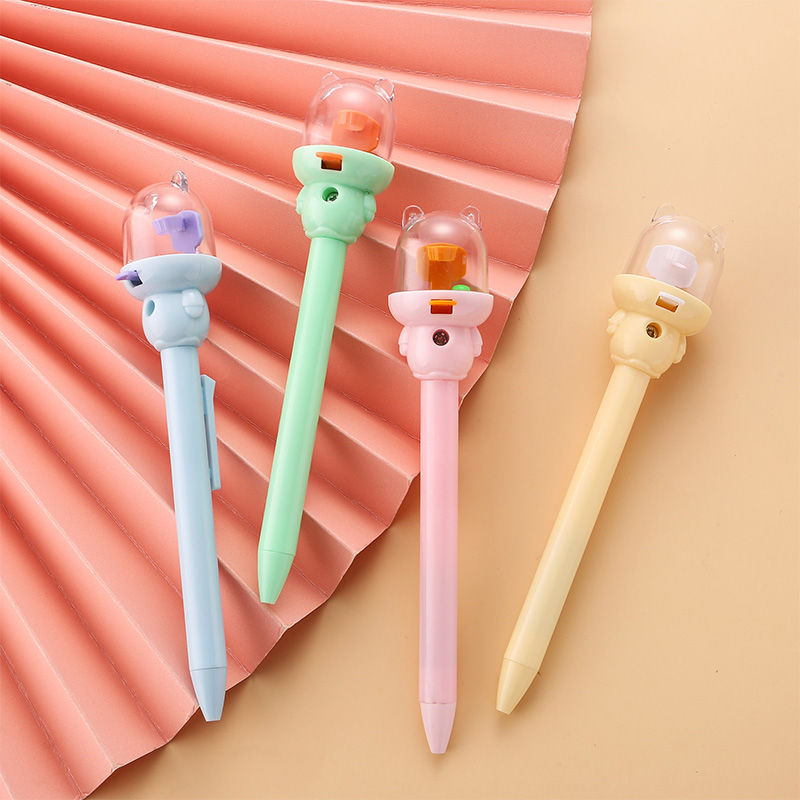
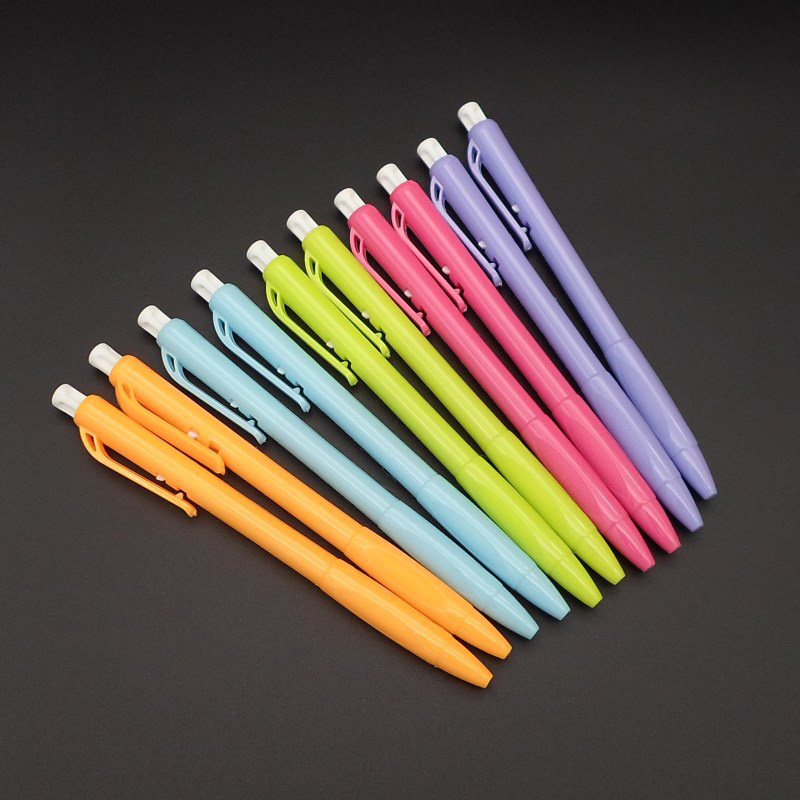
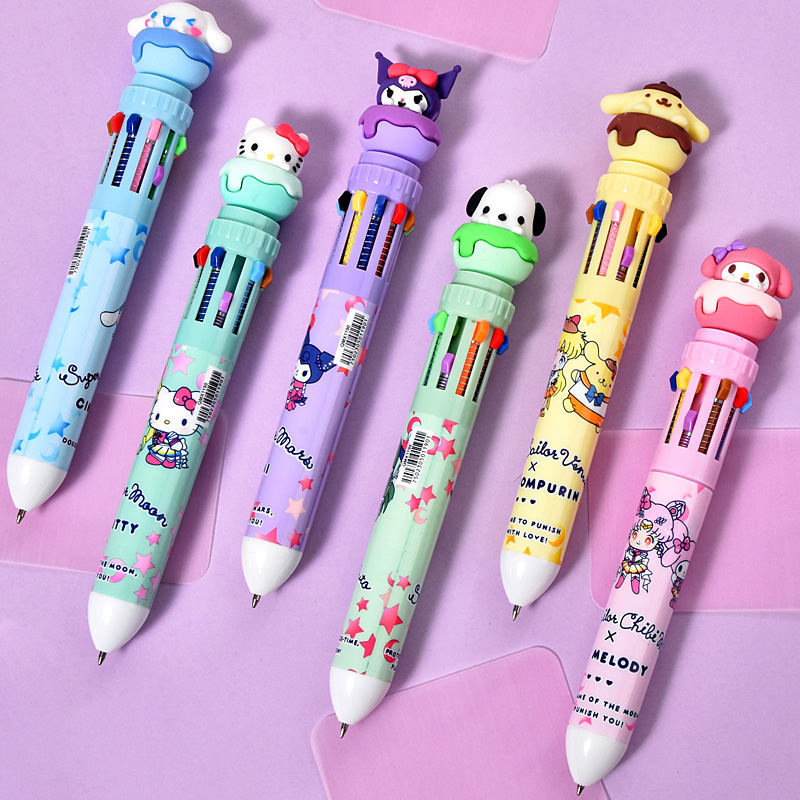
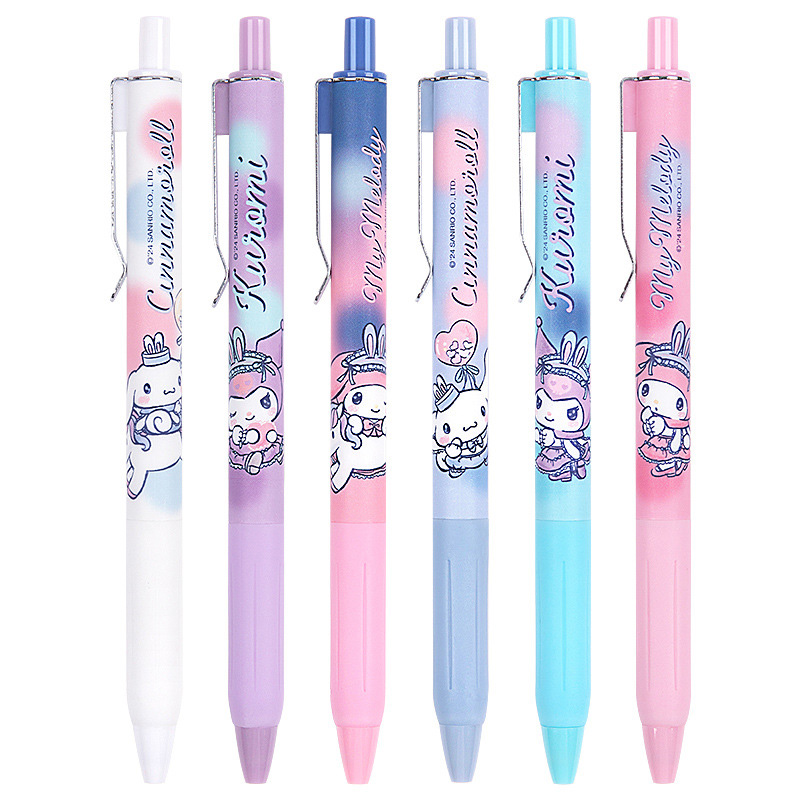
Pencil manufacturers produce a wide range of products to meet different needs. Standard graphite pencils remain popular for general writing and schoolwork. Colored pencils offer multiple hues for art projects and illustrations. Mechanical pencils provide a different experience with replaceable leads that never need sharpening. Specialty versions include carpenter pencils with rectangular shapes that resist rolling and thicker cores suited for marking wood or concrete. Some lines focus on softer cores preferred by artists, while others emphasize durability for outdoor or industrial use. This variety allows pencil manufacturers to supply classrooms, design studios, and construction sites alike.
In classrooms, pencils from these manufacturers support early learning as students practice letters, numbers, and drawings. Teachers rely on consistent quality so marks remain clear and erasers work without tearing paper. Offices continue to use pencils for quick notes, forms, and sketches even as digital tools grow. Many professionals keep a few pencils nearby because they require no batteries and work on almost any surface. Pencil manufacturers also supply bulk orders to schools and companies, ensuring steady availability throughout the year.
Practical design decisions define much of the work done by pencil manufacturers. Hexagonal barrels help fingers grip the pencil more securely during long writing sessions. The balance of weight between the core and wood affects comfort. Paint coatings protect the wood and add color for easy identification of grades. Erasers attached to the end allow quick corrections without reaching for a separate tool. These details emerge from years of refining production methods rather than dramatic changes, resulting in tools that feel familiar and dependable.
The quiet contribution of pencil manufacturers appears in countless small moments. A student finishes homework with a sharpened pencil. An architect sketches an initial idea on tracing paper. A shopper jots a list before heading to the market. Each of these actions depends on the steady output of factories that turn raw materials into finished writing tools. By focusing on reliable processes and practical designs, pencil manufacturers continue to meet the simple yet lasting need for a tool that puts thoughts onto paper.
 Lanxi Economic Development Zone, Jinhua, Zhejiang (No. 30, Qiuling Road, Lanjiang Street)
 +86-13806548080
 [email protected]
Copyright © Zhejiang Wenao Stationery Co., Ltd. All Rights Reserved.
Writing Pens and Refills Factory


 English
 中文简体
中文简体 русский
 Français