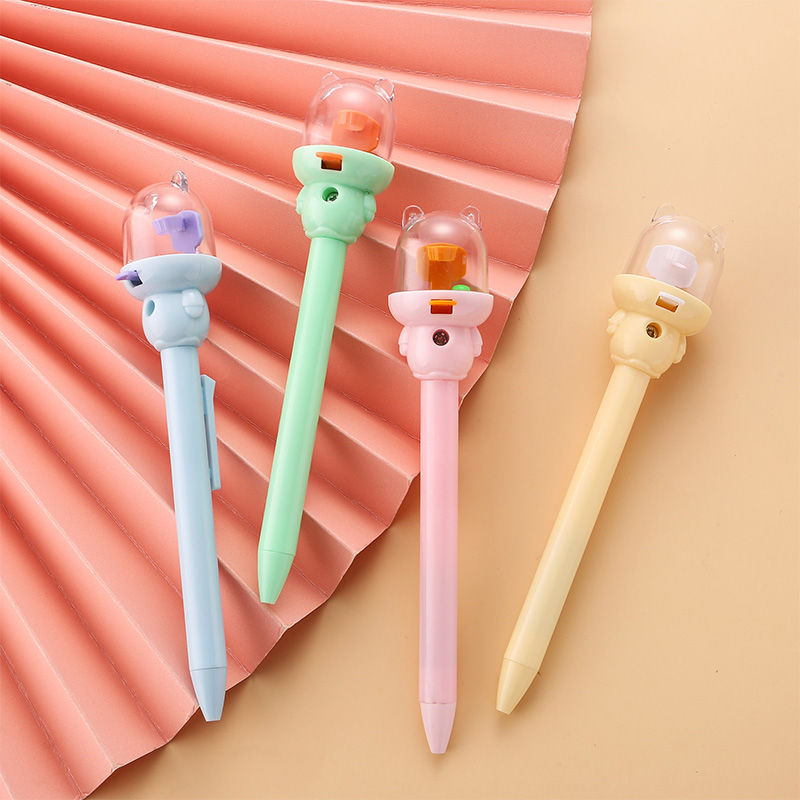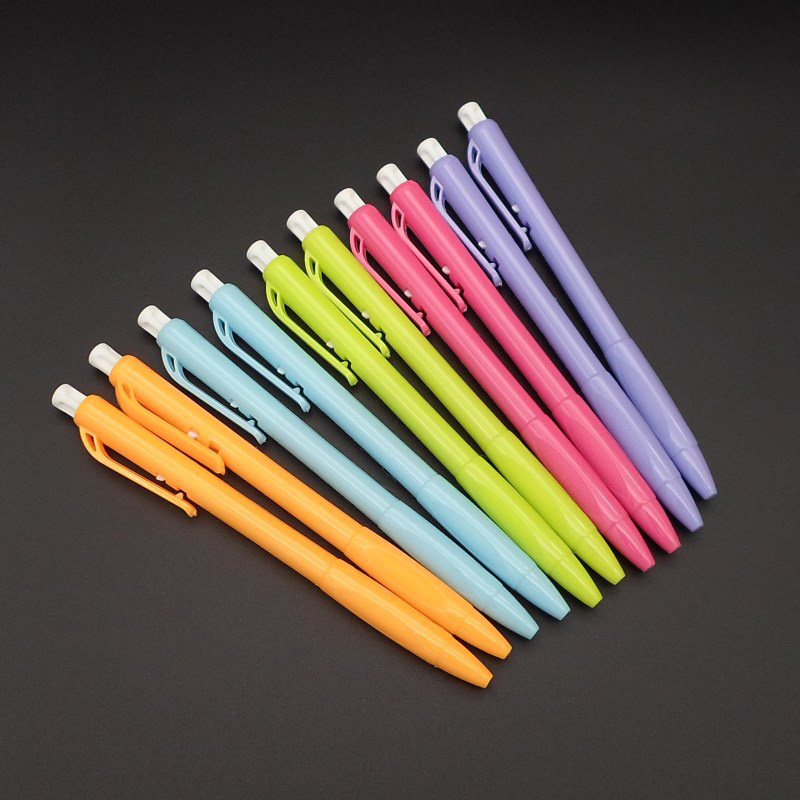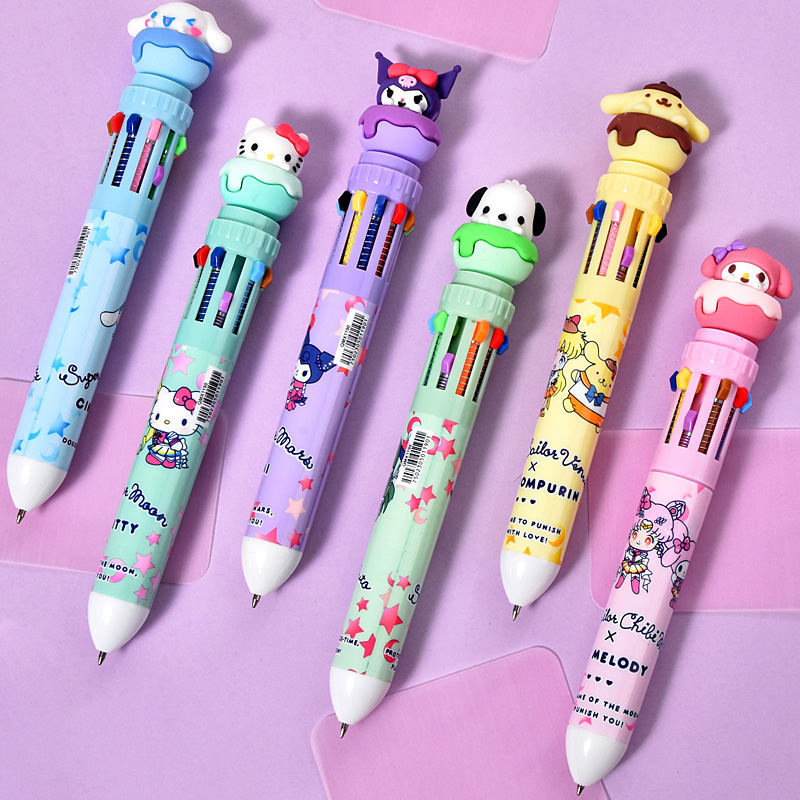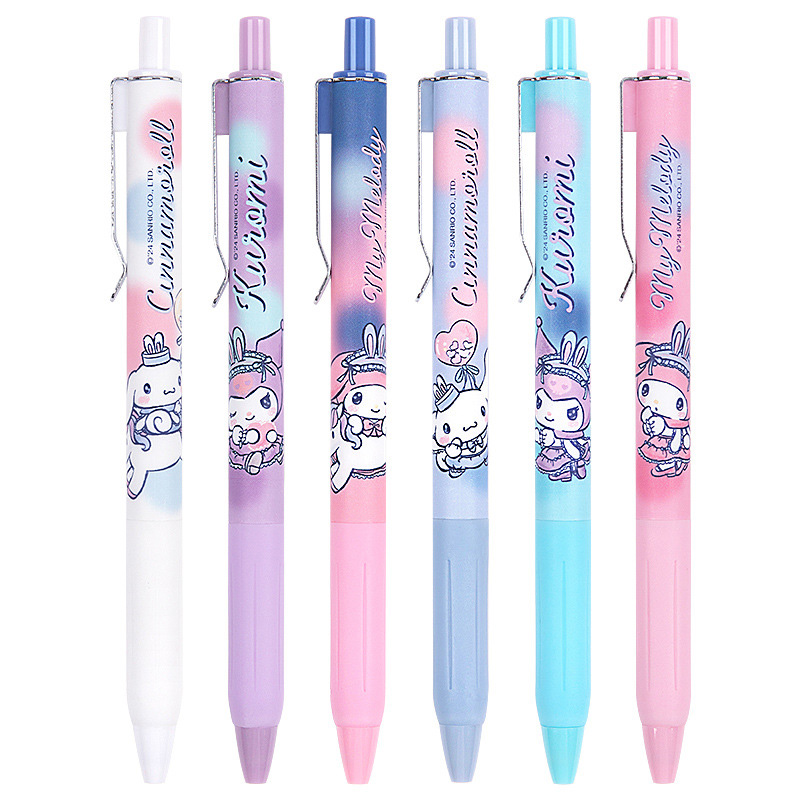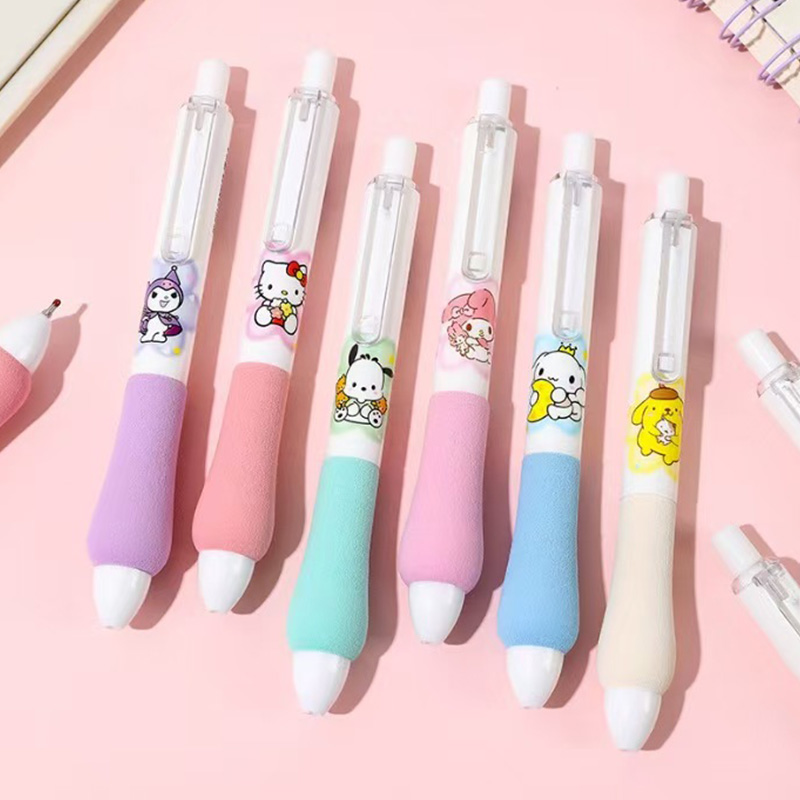
Quality ball point pens continue to shape the way people write, both in personal and professional settings. These pens are no longer seen merely as tools but as a reflection of individual taste and functionality. In offices around the world, employees reach for pens that glide smoothly across paper, offering consistency that digital devices cannot replicate. The design of quality ball point pens blends aesthetics with performance, ensuring that each stroke meets the expectations of the user.
Manufacturers of ball point pens invest heavily in materials and production methods. Brass, stainless steel, and high-grade plastics are common choices that offer durability and a comfortable feel. The ink used in these pens is equally important, with formulas engineered to prevent smudging, fading, or leakage. Advances in precision engineering have allowed the production of tips that deliver reliable lines, whether writing rapidly or carefully drafting documents.
Ball point pens also occupy a significant place in education. Students rely on pens that can handle long writing sessions without discomfort. Schools and universities often select pens that balance affordability with quality, ensuring that learners can develop writing habits without interruptions. Some manufacturers offer ergonomic designs that reduce hand strain, demonstrating an understanding of user needs beyond mere ink flow.
The global market for quality ball point pens shows a diverse range of preferences. Collectors value limited edition designs and branded pens that signify status or taste. Meanwhile, offices often prioritize bulk availability and consistent performance. This dual demand drives innovation, with brands producing pens that appeal to both casual users and connoisseurs. Design variations, from sleek metallic bodies to classic resin finishes, cater to a wide demographic, ensuring that the act of writing remains personal and expressive.
Retail environments reflect the importance of pen quality. Stores display products with attention to detail, often allowing customers to test pens before purchase. Sensory factors, including weight, grip texture, and the flow of ink, influence buying decisions. High-quality pens often carry higher price points, but their longevity and writing experience justify the investment. Consumers increasingly recognize that a well-crafted pen can enhance not only productivity but also enjoyment.
Promotional strategies also highlight the evolving nature of the pen market. Companies collaborate with designers and artists to create visually striking pens. Custom engraving and personalized branding have become popular in corporate gifting. These trends show that quality ball point pens serve multiple purposes: functional, decorative, and symbolic. In a world dominated by digital devices, the appeal of a pen that performs consistently while offering aesthetic pleasure remains strong.
Environmental considerations are influencing pen production as well. Some manufacturers focus on using recyclable materials or refillable designs. This approach reduces waste while maintaining the performance that users expect. Innovations in ink formulation also ensure that pens can last longer without compromising the quality of writing. Consumers increasingly consider sustainability alongside functionality, demonstrating a shift in priorities within the stationary industry.
The interaction between design, material science, and user feedback creates a dynamic environment for quality ball point pens. Manufacturers continuously refine their products to meet evolving expectations while retaining core principles of reliability and comfort. Writing, once taken for granted, becomes an experience shaped by careful attention to detail and thoughtful engineering. The result is a pen that not only performs well but also elevates the act of writing into an art form.
 Lanxi Economic Development Zone, Jinhua, Zhejiang (No. 30, Qiuling Road, Lanjiang Street)
 +86-13806548080
 [email protected]
Copyright © Zhejiang Wenao Stationery Co., Ltd. All Rights Reserved.
Writing Pens and Refills Factory


 English
 中文简体
中文简体 русский
 Français