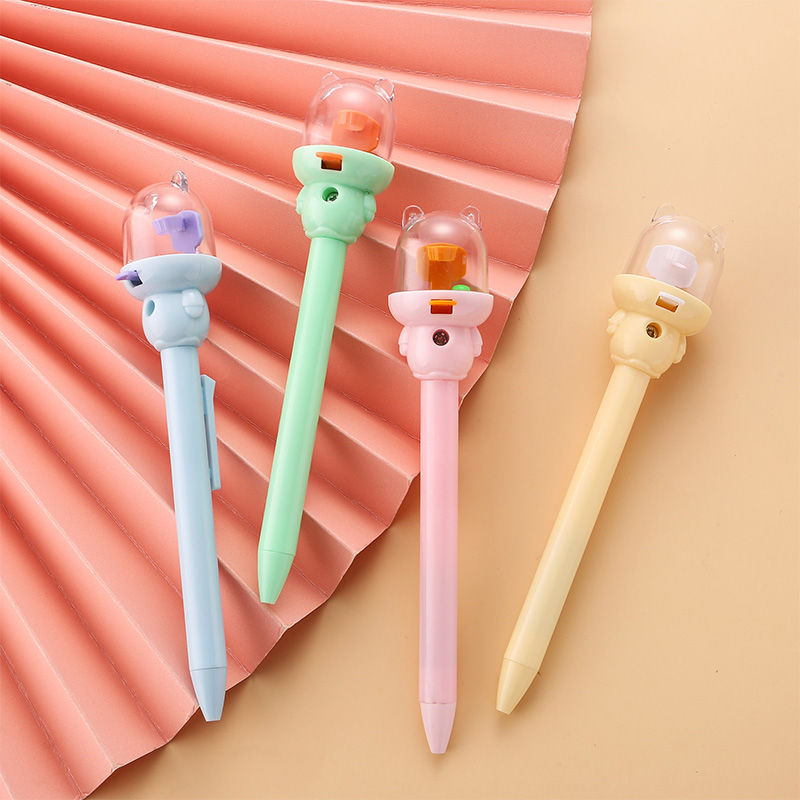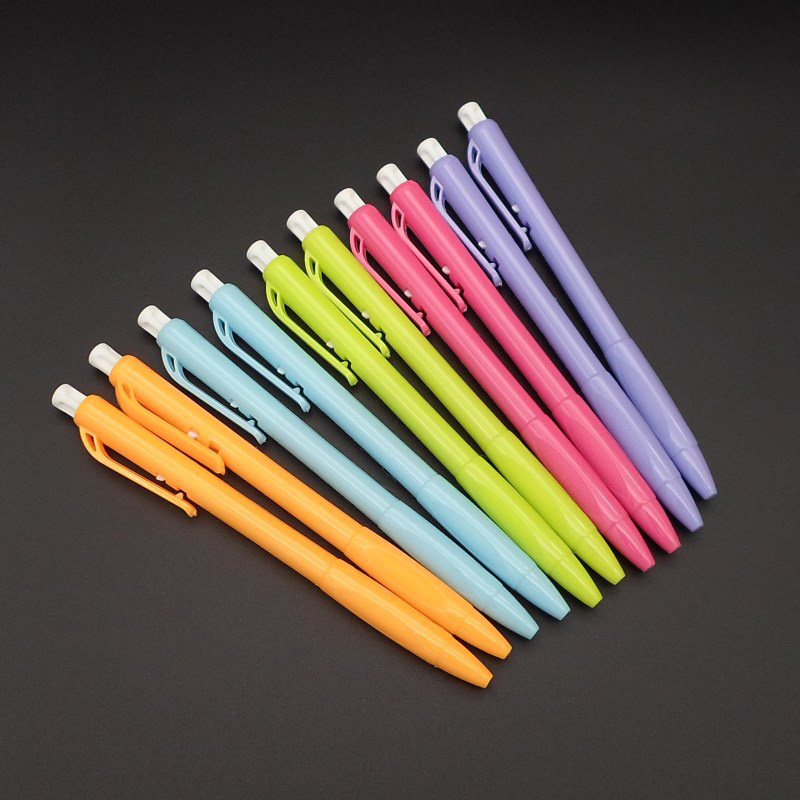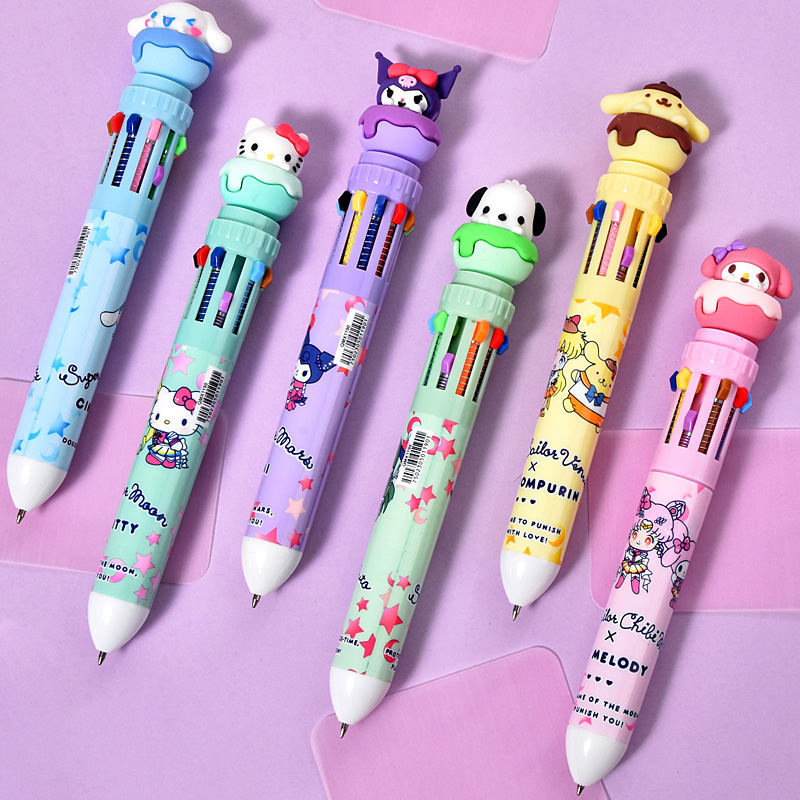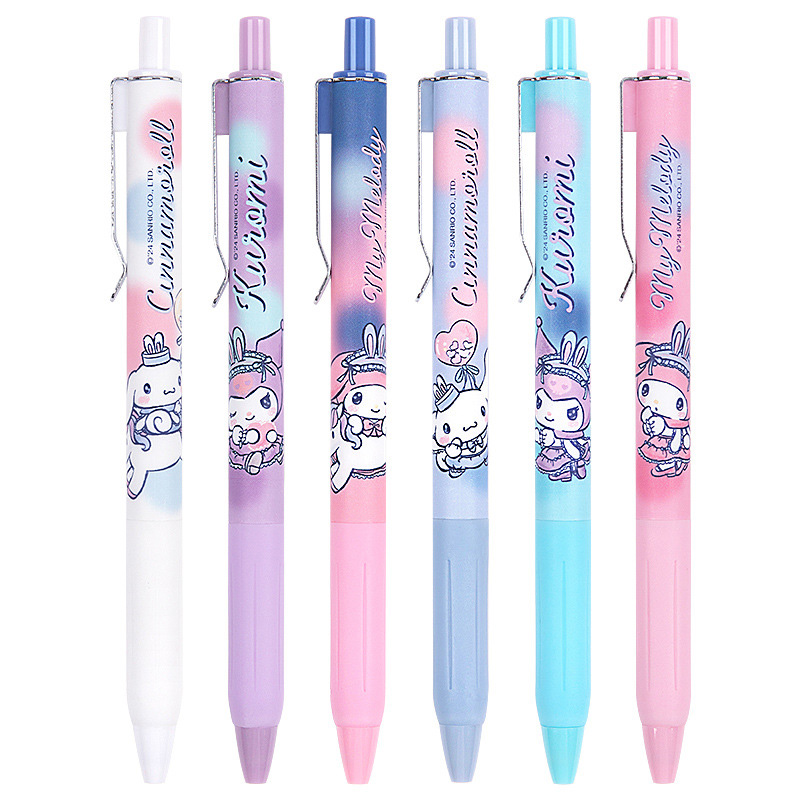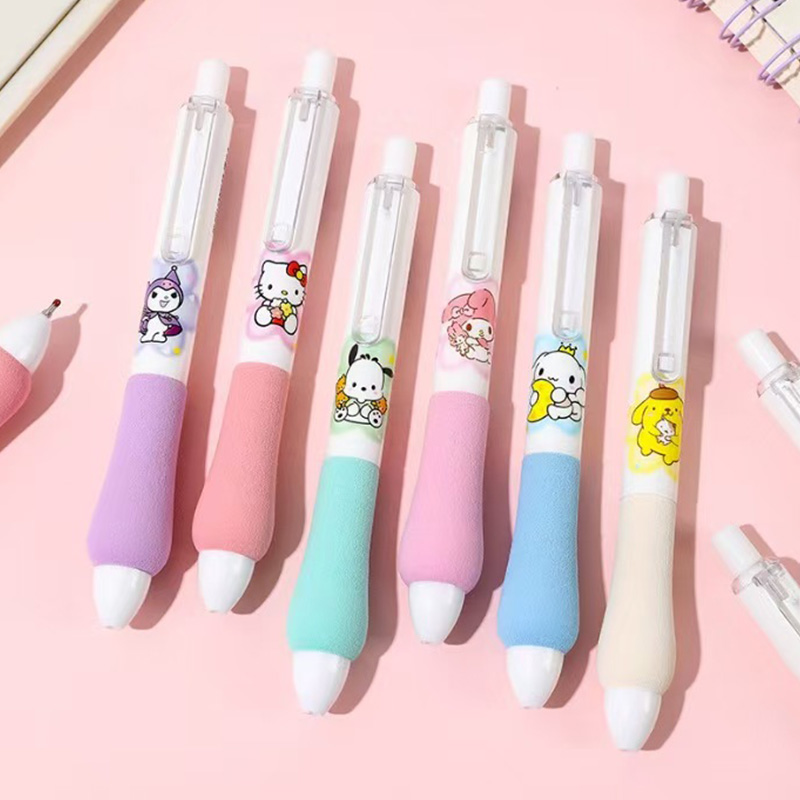
Pencil manufacturers maintain a steady role in global stationery markets, combining traditional craftsmanship with modern production techniques. The pencil, a seemingly simple tool, relies on precision engineering and careful material selection. Graphite quality, wood type, and bonding agents all contribute to the final product. Leading manufacturers monitor each step, ensuring that pencils offer smooth writing, uniform lines, and durability for diverse users.
The manufacturing process begins with selecting raw materials. High-quality graphite provides consistent color and resistance to breakage. Cedar, basswood, and other fine woods are chosen for their strength, weight, and ease of sharpening. Advanced machinery cuts and shapes pencil slats with precision, while automated systems align cores and apply coatings evenly. Each pencil is a combination of technical skill and material science, resulting in a tool that performs reliably under various conditions.
Innovation extends to pencils designed for specific markets. Art pencils demand rich, blendable graphite or colored leads suitable for shading and layering. School pencils focus on durability and affordability, allowing students to write or draw extensively without frequent replacement. Some pencils incorporate ergonomic features, such as triangular bodies or cushioned grips, to reduce fatigue. Manufacturers recognize that user comfort and performance are intertwined, influencing choices at every stage of production.
Distribution channels reflect the importance of manufacturer reputation. Leading pencil producers supply schools, offices, and retail stores worldwide. Bulk orders ensure accessibility and affordability, while specialty lines cater to professional artists or enthusiasts. Packaging and presentation also play a role, with attractive designs encouraging purchase. Pencil manufacturers balance mass production with quality assurance, ensuring that every unit meets expected standards.
Environmental considerations have become part of manufacturing priorities. Many pencil makers focus on sustainable wood sourcing and eco-friendly materials. Recyclable packaging and non-toxic coatings address concerns of environmentally conscious consumers. This approach maintains product integrity while supporting broader ecological responsibility. Manufacturers increasingly recognize that sustainability and functionality can coexist without compromising performance.
Marketing emphasizes both tradition and modern relevance. Pencils are promoted not only as writing tools but as instruments of creativity. Storytelling around brand heritage and craftsmanship strengthens market presence, appealing to both nostalgic buyers and new generations. Exhibitions, collaborations with artists, and limited edition releases further highlight the versatility of pencils, making them objects of design as well as utility.
Quality control remains central to every step. Inspection processes check for core alignment, smoothness of writing, and finish consistency. Defective products are minimized through automated and manual checks. Manufacturers employ feedback from retailers and users to refine processes continuously.
Cultural and artistic significance underlines the role of pencils. Even in a digital age, the tactile experience of pencil on paper resonates with many users. Illustrators, designers, and writers rely on pencils for sketching, note-taking, and drafting. Manufacturers understand that these tools must meet precise demands while preserving the simplicity and control that define pencil use.
Global collaboration between pencil manufacturers and distributors strengthens access to markets. International standards guide material selection, production, and safety compliance. Manufacturers maintain adaptability to meet regional preferences and demands while preserving core product quality. These partnerships also foster knowledge exchange, support innovation in pencil designs, and ensure timely delivery to meet both educational and professional needs worldwide.
 Lanxi Economic Development Zone, Jinhua, Zhejiang (No. 30, Qiuling Road, Lanjiang Street)
 +86-13806548080
 [email protected]
Copyright © Zhejiang Wenao Stationery Co., Ltd. All Rights Reserved.
Writing Pens and Refills Factory


 English
 中文简体
中文简体 русский
 Français